

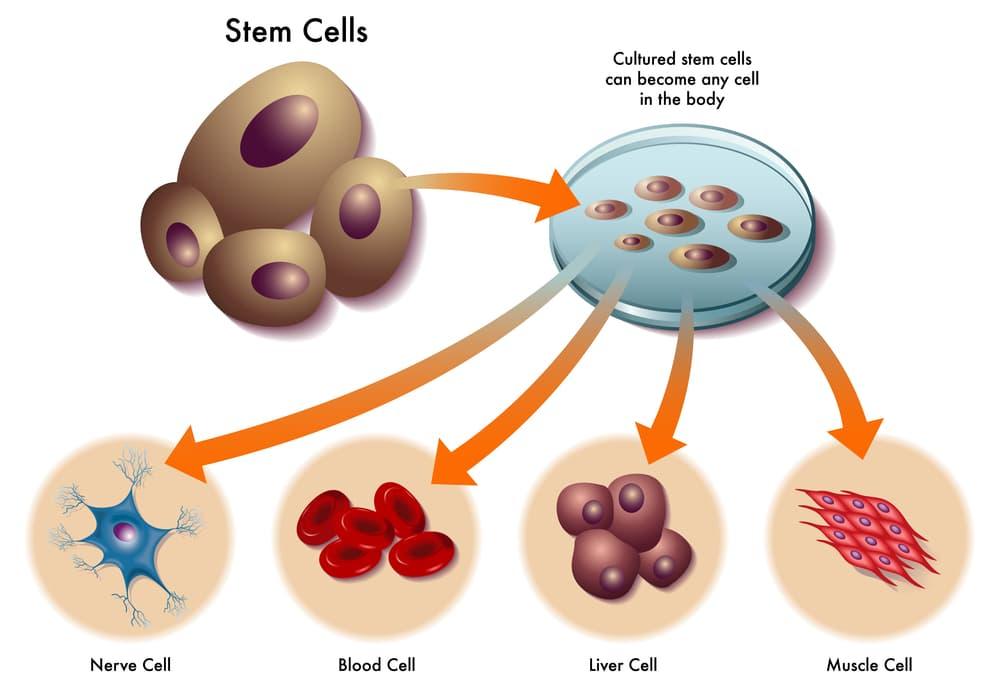

Stem cell–based medical approaches are rapidly gaining global attention due to their regenerative potential and wide therapeutic scope. One of the most frequently discussed topics today is Stem Cells Therapy in Dubai (العلاج بالخلايا الجذعية في دبي), as patients and researchers explore how regenerative medicine may support healing across multiple conditions. This innovative field focuses on repairing, replacing, or regenerating damaged tissues by using the body’s own biological building blocks. As interest grows, many users search for clarity on what this therapy actually does, how it works, and why it is becoming such a central part of modern healthcare discussions.
What Is Treatment And How It Works Importance Of Treatment:
Understanding Stem Cell Therapy:
Stem cell therapy is a regenerative medical approach that uses special cells capable of transforming into different types of tissues. These cells can support healing by reducing inflammation, promoting tissue repair, and enhancing the body’s natural recovery process.
How It Works In The Body:
Once introduced into the body, stem cells may respond to signals from damaged tissues. They can potentially differentiate into specialized cells and release bioactive compounds that help stimulate healing. This process makes them valuable in addressing conditions that require tissue regeneration rather than simple symptom management.
Importance Of The Treatment:
The importance of this therapy lies in its potential to shift medical treatment from symptom control to tissue restoration. Many patients and researchers are interested in how it may support chronic conditions, degenerative diseases, and injury recovery. Unlike conventional treatments, regenerative medicine focuses on addressing the root cause of tissue damage.
Types Of Treatment:
Autologous Stem Cell Therapy:
This type uses stem cells taken from the patient’s own body. Because the cells come from the same individual, compatibility is naturally high, reducing the risk of immune rejection.
Allogeneic Stem Cell Therapy:
In this method, stem cells are obtained from a donor. These cells are carefully processed and screened before use to ensure safety and effectiveness.
Adult Stem Cell Therapy:
Adult stem cells are found in tissues such as bone marrow or fat. They are commonly used in regenerative procedures due to their adaptability and availability.
Embryonic And Induced Pluripotent Stem Cells:
These advanced types of stem cells have a higher differentiation potential. Induced pluripotent stem cells, in particular, are engineered to behave like embryonic stem cells, offering wide possibilities in research and therapy development.
Preparation Aftercare:
Before The Procedure:
Preparation typically involves a detailed health assessment, lifestyle evaluation, and guidance on medication adjustments if required. Patients are usually advised to maintain hydration, balanced nutrition, and avoid factors that may interfere with healing.
Aftercare Process:
After the procedure, the body may require time to respond to the introduced cells. Rest, hydration, and controlled physical activity are often recommended. Patients are encouraged to monitor their condition and follow structured recovery guidance.
Recovery Expectations:
Recovery experiences can vary depending on the individual and the condition being treated. Some may notice gradual improvements, while others may require longer observation periods to evaluate outcomes.
Ideal Candidate:
Who May Benefit Most:
Stem cell therapy is generally considered for individuals dealing with degenerative conditions, tissue injuries, or chronic inflammatory issues. People seeking regenerative alternatives rather than invasive surgical procedures often explore this option.
Health Considerations:
A suitable candidate typically has stable overall health and realistic expectations about outcomes. Medical history and current conditions play a crucial role in determining eligibility.
User Queries Insight:
Users often ask whether age, lifestyle, or disease severity affects eligibility. In most cases, suitability depends on a combination of factors rather than a single condition.
How To Choose A Right Clinic:
Safety And Standards:
Choosing the right medical setting is essential for ensuring safety and quality. Facilities should follow strict medical protocols and adhere to international standards in regenerative medicine.
Technology And Expertise:
Advanced laboratory techniques and experienced medical teams contribute significantly to treatment success. Patients should look for centers that invest in modern regenerative technologies.
Transparency And Consultation:
Clear communication, ethical practices, and detailed consultation processes help build trust and ensure patients fully understand the procedure before proceeding.
Benefits:
Regenerative Potential:
One of the key advantages of stem cell therapy is its ability to support tissue regeneration, offering hope for conditions that were previously difficult to treat.
Reduced Inflammation:
Stem cells may help regulate the immune response, reducing inflammation and improving overall tissue function.
Non-Surgical Approach:
Many procedures are minimally invasive, making them an attractive alternative to traditional surgery.
Personalized Treatment:
Therapies can often be tailored to individual patient needs, improving overall relevance and potential effectiveness.
Long-Term Research Value:
Ongoing research continues to expand the potential applications of stem cell therapy across various medical fields, including orthopedics, neurology, and cardiology.
FAQs:
What conditions can stem cell therapy address?
It is commonly explored for musculoskeletal injuries, degenerative disorders, and certain inflammatory conditions, depending on medical suitability.
Is stem cell therapy safe?
When performed under controlled medical conditions, it is generally considered safe, although outcomes may vary by individual.
How long does it take to see results?
Results may take weeks to months depending on the body’s response and the condition being treated.
Is the treatment permanent?
Effects can vary; some patients experience long-term improvement while others may require follow-up sessions.
Who should avoid this therapy?
Individuals with certain advanced medical conditions or uncontrolled health issues may not be suitable candidates.
Conclusion:
Stem cell therapy represents a transformative step in modern regenerative medicine, offering new possibilities for healing and tissue repair across a wide range of conditions. As interest continues to grow, Stem Cells Therapy (العلاج بالخلايا الجذعية) remains a focal point of medical innovation, research, and patient curiosity worldwide.
