


Workflow Analytics and Optimization Streamline Business Operations
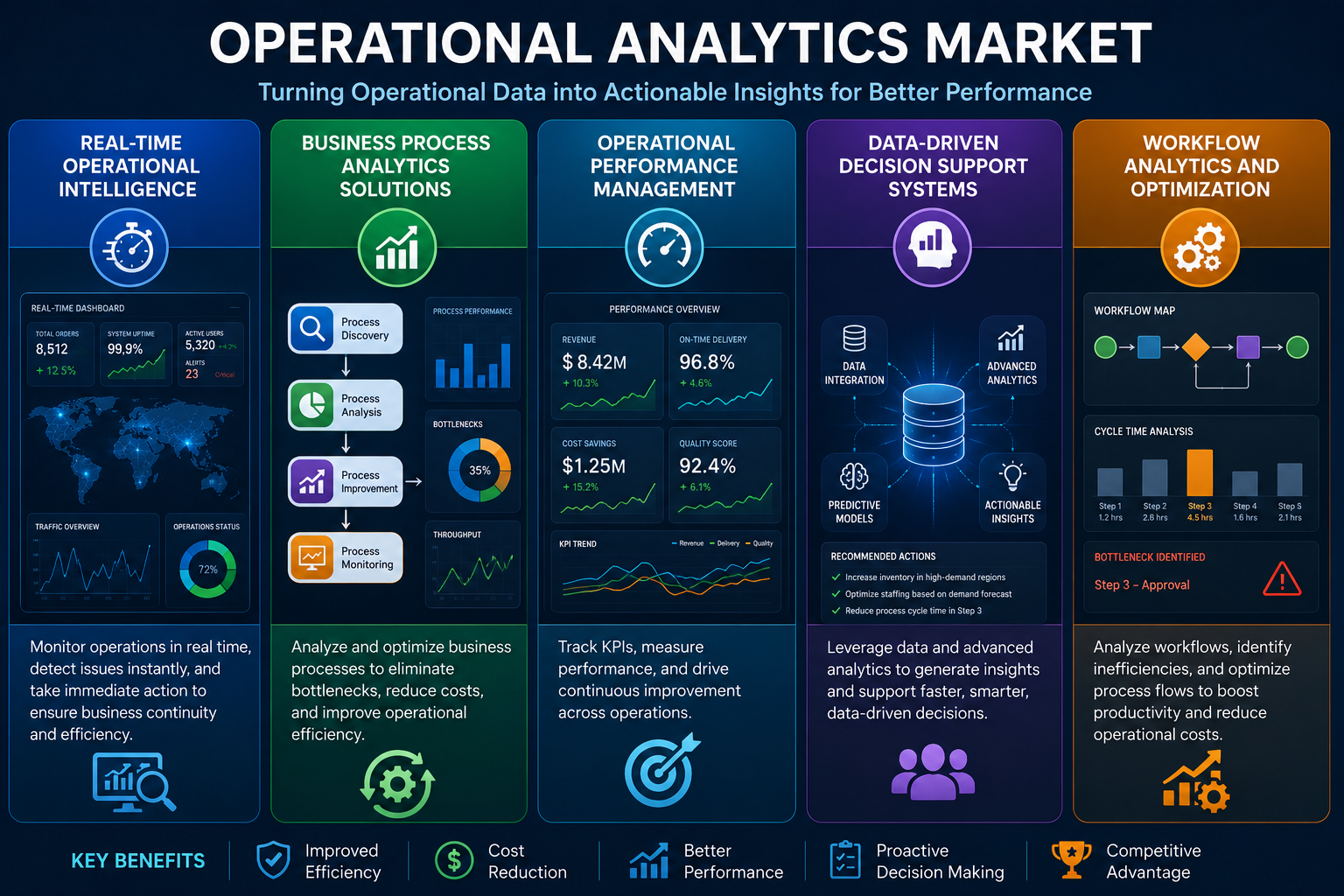
Most process improvement initiatives are episodic. A team spends weeks analyzing a process, identifying inefficiencies, and recommending changes. Months later, the changes are implemented. Years later, the process is analyzed again. According to a study from Market Research Future (MRFR), Workflow Analytics and Optimization and Data-Driven Decision Support Systems are making process improvement continuous rather than episodic. Workflow analytics automatically detects inefficiencies; optimization algorithms automatically recommend changes; decision support systems present recommendations to managers.
The shift from episodic to continuous improvement is significant. Processes change constantly due to new products, new customers, new regulations, and new technologies. An optimization that was perfect six months ago may be suboptimal today. Continuous workflow analytics ensures that process performance is always monitored and improvement opportunities are always identified.
How Workflow Analytics and Optimization Works
Workflow analytics and optimization systems analyze event logs from workflow engines, business process management systems, and operational applications. They discover the actual paths that work takes through the organization, measuring cycle times, wait times, handoff frequencies, and resource utilization at each step.
The optimization component uses this data to identify improvement opportunities. It might recommend resequencing steps to reduce wait times, reassigning tasks to balance workload, automating steps that are currently manual, or eliminating steps that add no value. The optimization algorithm considers constraints—budget, time, resource availability, and business rules—and generates feasible recommendations.
An insurance company might use workflow analytics to optimize claims processing. The analysis reveals that claims involving certain procedure codes are routinely sent to a senior adjuster for review, even though 90 percent of these reviews find no issues. The optimization recommends creating an automated approval rule for those procedure codes below a dollar threshold. The recommendation is implemented, reducing average claims processing time by two days.
Data-Driven Decision Support Systems for Implementation
Once workflow analytics identifies an improvement opportunity and optimization generates a recommendation, data-driven decision support systems present the recommendation to managers. The decision support system explains the rationale, quantifies the expected impact, and estimates the implementation effort. Managers can accept, modify, or reject the recommendation.
A bank might receive a recommendation from its workflow analytics system: "Resequence the loan approval workflow by moving credit check before underwriting. Expected reduction in processing time: 15 percent. Implementation effort: low (configuration change only)." The loan operations manager reviews the recommendation, confirms that there are no regulatory barriers to the new sequence, and approves the change. The workflow engine is reconfigured, and the improvement takes effect immediately.
The MRFR report notes that the close integration between analytics, optimization, and decision support is critical. If the analytics and optimization run but the recommendations are not implemented, no value is created. The systems must be designed for action, not just analysis.
Continuous Versus One-Time Optimization
Workflow analytics and optimization can operate in two modes. One-time optimization analyzes historical data, generates recommendations, and stops. Continuous optimization runs perpetually, analyzing new data as it arrives and generating updated recommendations as conditions change.
Continuous optimization is more powerful but more complex to implement. It requires that the system be trusted to automatically detect changes in process performance and generate recommendations without human initiation. It requires that the organization have the capacity to implement recommendations frequently. It requires that the optimization algorithms be stable enough not to generate contradictory recommendations from day to day.
A logistics company might use continuous optimization for delivery routing. The system analyzes real-time traffic data, weather data, and delivery status, recalculating optimal routes continuously. When a traffic jam delays one driver, the system reroutes other drivers to cover the affected deliveries. The optimization runs continuously, with no human intervention required for routine adjustments.
Process Mining and Conformance Checking
Workflow analytics often incorporates process mining techniques. Process mining automatically discovers process models from event logs, revealing the actual flow of work. It also performs conformance checking, comparing actual execution to designed processes and highlighting deviations.
A pharmaceutical company might use process mining to monitor clinical trial workflows. The discovered process model shows that investigators frequently take an unapproved shortcut, bypassing a required safety check. Conformance checking flags these deviations. The company retrains investigators on the correct process. Subsequent process mining shows that deviations have been eliminated.
The MRFR report notes that conformance checking is particularly valuable in regulated industries. Organizations can automate the detection of process deviations, reducing the risk of regulatory violations and the cost of manual auditing.
Organizational Change Management
The MRFR report emphasizes that workflow analytics and optimization systems change how work is managed. Managers who are accustomed to making decisions based on intuition must learn to trust data-driven recommendations. Process owners who have designed processes must accept that algorithms may find better ways. Employees whose work is affected by recommendations must be engaged in the change process.
Successful implementations involve training, communication, and gradual rollout. Organizations start with low-risk processes where the cost of a bad recommendation is low. They build confidence in the system before expanding to mission-critical processes. They maintain human oversight and override capability throughout.
Conclusion
Process improvement should be continuous, not episodic. Workflow Analytics and Optimization provide the automated detection and recommendation capabilities that make continuous improvement practical. Data-Driven Decision Support Systems provide the interface through which managers review and implement recommendations. Together, they enable organizations to improve processes continuously, adapting to changing conditions without waiting for the next improvement initiative.

 Bangla