


Emerging Technologies Shaping Future Geospatial Market Trends And Innovations
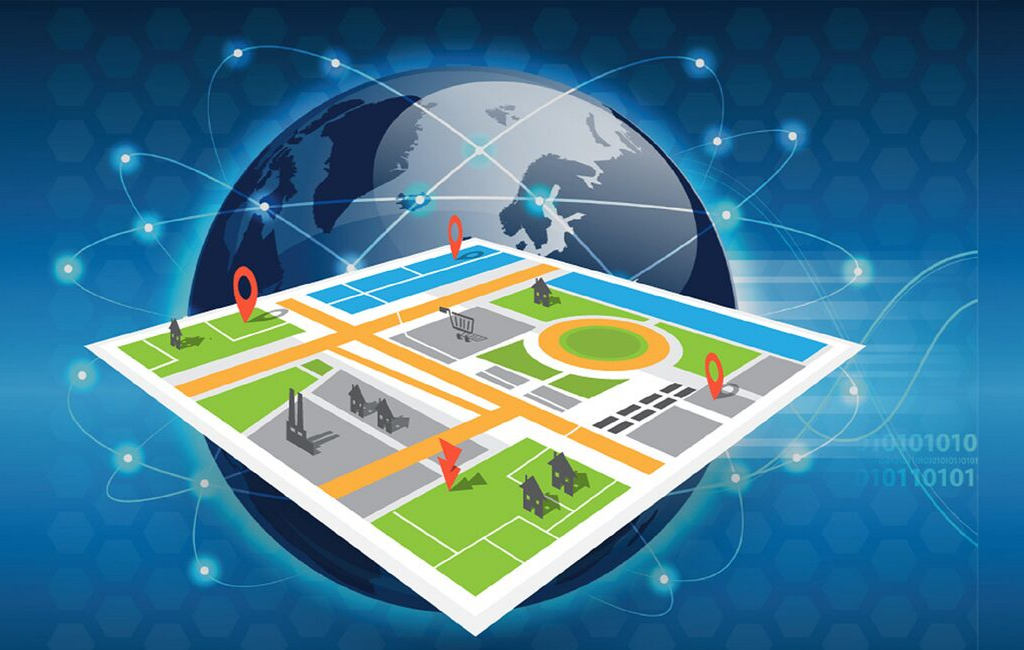
Keeping pace with the rapid evolution of technology is essential, as several transformative Geospatial Market Trends are currently reshaping the industry landscape. One of the most prominent trends is the migration to the cloud, which is enabling real-time collaboration and the handling of petabytes of data without the need for massive on-site server rooms. This "Cloud GIS" trend allows for the seamless sharing of maps and apps across organizations and the public, breaking down data silos that have historically hindered the industry. Additionally, the integration of Artificial Intelligence (AI) and Machine Learning (ML) is automating the tedious task of feature extraction, allowing computers to identify buildings, roads, and vegetation from imagery with increasing accuracy.
Another significant trend is the rise of 3D GIS and the concept of Digital Twins. Rather than working with flat, two-dimensional maps, urban planners and engineers are increasingly using immersive 3D models that replicate the physical world in detail. These digital twins allow for complex simulations, such as modeling flood risks, analyzing airflow in cities, or planning 5G network coverage. This trend is being accelerated by advancements in LiDAR technology and photogrammetry, which make the creation of these 3D models faster and cheaper. The gaming industry's influence is also evident here, as game engines are being used to render these geospatial environments, providing high-fidelity visualizations.
The democratization of Earth Observation data is also a critical trend to watch. With the launch of hundreds of micro-satellites, the frequency of global imagery updates has increased from weeks to daily or even hourly. This high-frequency data is unlocking new use cases in commodities trading, illegal fishing monitoring, and rapid disaster response. Furthermore, the trend towards "Mobile GIS" is empowering field workers to collect and update data on the fly using standard tablets and smartphones, ensuring that the central database is always current. This mobility is transforming industries like utilities and telecommunications, where field asset management is a core operational requirement.
Finally, the trend of indoor mapping and positioning is opening up a new frontier for the market. While GPS works well outdoors, it fails inside buildings. New technologies utilizing Wi-Fi, Bluetooth, and magnetic fields are being developed to map the interiors of airports, shopping malls, and large campuses. This "indoor GPS" capability is crucial for seamless navigation and asset tracking in complex indoor environments. As these trends converge, they are creating a holistic geospatial ecosystem that covers every inch of the planet, both indoors and outdoors, providing a continuous fabric of location intelligence that supports the next generation of smart applications.
Top Trending Reports:

 Bangla