

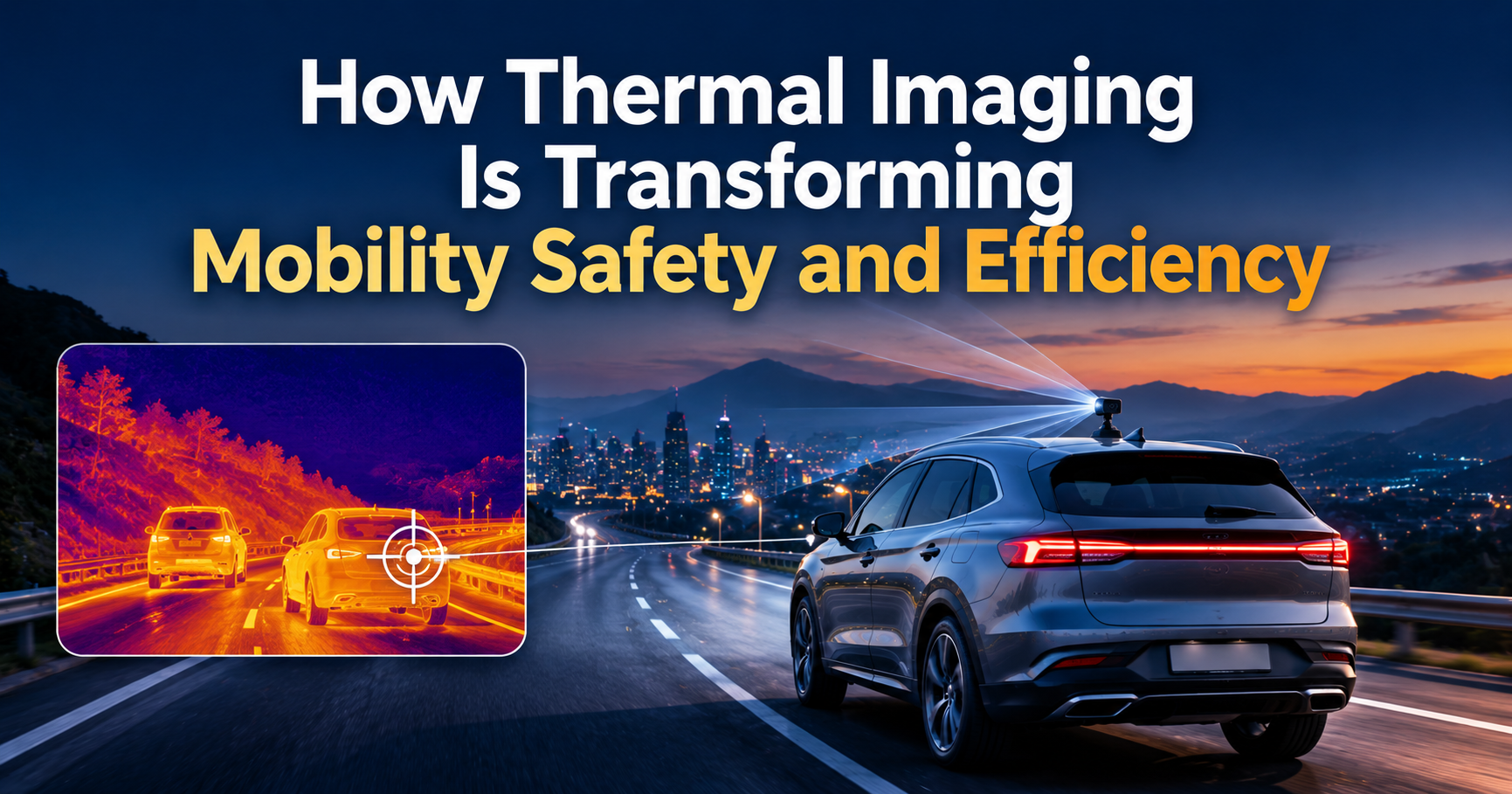

Thermal imaging technology is becoming an increasingly important component of modern mobility systems. By detecting heat signatures rather than relying solely on visible light, thermal cameras help vehicles identify objects, people, and obstacles in challenging conditions such as darkness, fog, rain, and smoke. As transportation systems become more intelligent and connected, thermal imaging is emerging as a valuable tool for enhancing safety and operational performance.
The growing integration of advanced sensing technologies across automotive, rail, aviation, and autonomous mobility applications is accelerating interest in thermal imaging solutions. According to the thermal imaging in mobility industry report, advancements in vehicle safety systems and autonomous driving technologies are contributing to broader adoption across the transportation ecosystem.
Why Thermal Imaging Matters in Modern Mobility
Traditional cameras depend on ambient light to capture images, which can limit their effectiveness in low-visibility environments. Thermal imaging systems operate differently by detecting infrared radiation emitted by objects and living beings. This capability allows vehicles to recognize pedestrians, animals, and obstacles even when visibility is significantly reduced.
As transportation networks become more complex, safety remains a top priority. Organizations such as the National Highway Traffic Safety Administration (NHTSA) continue to emphasize technologies that can help reduce collisions involving pedestrians and vulnerable road users. Thermal imaging supports this objective by providing enhanced situational awareness during nighttime and adverse weather conditions.
Growing Role in Advanced Driver Assistance Systems
Advanced Driver Assistance Systems (ADAS) are reshaping vehicle safety by providing real-time monitoring and decision support. Thermal imaging complements radar, lidar, and visible-light cameras by delivering an additional layer of environmental awareness. This multi-sensor approach improves object detection accuracy and strengthens overall system reliability.
In passenger vehicles, thermal cameras can identify pedestrians or cyclists beyond the range of conventional headlights. The technology can also assist in detecting stalled vehicles, road hazards, and wildlife crossings. These capabilities contribute to improved driver reaction times and support the broader objective of reducing accident risks.
Supporting the Development of Autonomous Mobility
Autonomous vehicles require comprehensive environmental perception to navigate safely. While cameras and lidar systems provide essential data, thermal imaging helps address visibility gaps that may occur in darkness or poor weather. The ability to recognize heat-emitting objects enhances object classification and improves operational confidence.
Research institutions continue exploring thermal imaging applications in machine vision and artificial intelligence. Studies have shown that thermal data can improve recognition accuracy in situations where traditional imaging systems face limitations, particularly in low-light environments. This makes thermal sensing a valuable component of future autonomous transportation platforms.
Applications Beyond Passenger Vehicles
The adoption of thermal imaging extends well beyond passenger cars. Rail operators use thermal cameras to monitor tracks, detect equipment overheating, and improve operational safety. Aviation organizations employ thermal imaging for runway monitoring, aircraft inspections, and enhanced visibility during night operations.
Commercial fleets are also recognizing the value of thermal technology. Fleet operators can use thermal imaging systems to identify potential safety risks, monitor vehicle conditions, and improve driver awareness. In logistics and transportation sectors, these capabilities contribute to more efficient operations and reduced downtime.
Infrastructure Monitoring and Smart Transportation
Smart transportation infrastructure increasingly relies on advanced monitoring technologies to improve traffic management and public safety. Thermal cameras can monitor road conditions, detect incidents, and support intelligent traffic systems. Their ability to function effectively regardless of lighting conditions makes them particularly useful for around-the-clock monitoring.
Transportation authorities worldwide are investing in intelligent mobility solutions to address congestion and safety challenges. According to the U.S. Department of Transportation Intelligent Transportation Systems Program, advanced sensing technologies play a significant role in building safer and more efficient transportation networks. Thermal imaging aligns with these objectives by providing reliable environmental data for decision-making.
Technological Advances Driving Adoption
Recent innovations have improved the performance and accessibility of thermal imaging systems. Modern thermal cameras offer higher resolution, enhanced image processing capabilities, and improved integration with vehicle software platforms. At the same time, manufacturing advancements are helping reduce costs, making the technology more viable for broader deployment.
The combination of artificial intelligence and thermal sensing is creating new opportunities for predictive safety applications. AI-powered systems can analyze thermal data in real time, identify potential hazards, and support automated responses. These developments are expected to strengthen the role of thermal imaging within future mobility ecosystems.
Future Outlook for Thermal Imaging in Transportation
The future of mobility is increasingly defined by safety, automation, and intelligent connectivity. Thermal imaging supports all three of these priorities by delivering reliable environmental awareness under conditions where traditional sensing technologies may struggle. As vehicle manufacturers and transportation providers continue investing in advanced perception systems, thermal imaging is likely to become a more common feature across multiple mobility segments.
Industry standards organizations, including the International Organization for Standardization (ISO), continue supporting the development of safety frameworks for intelligent transportation technologies. As regulatory expectations evolve and transportation systems become more autonomous, thermal imaging is positioned to play an important role in improving safety, operational efficiency, and overall mobility performance.
