


The Dawn of Digital Personas: An Introduction to the Virtual Human Industry
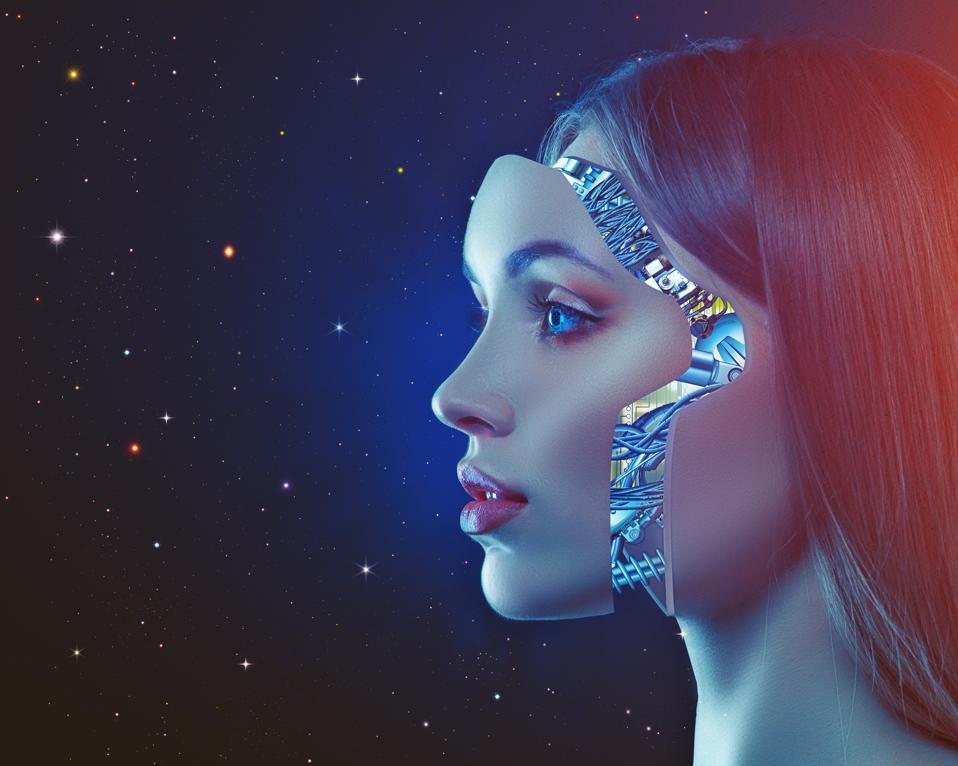
In the ever-expanding digital frontier, a new and fascinating form of entity is emerging, blurring the lines between the real and the artificial. This is the domain of the rapidly evolving Virtual Human industry, a sector dedicated to the creation of photorealistic, AI-powered, and interactive digital characters. A virtual human, also known as a digital human or a virtual avatar, is far more than a simple cartoon or a video game character. It is a computer-generated representation of a person, designed to look, sound, and behave as realistically as possible. These digital personas are brought to life through a powerful combination of real-time 3D computer graphics, advanced artificial intelligence for conversation and behavior, and often, motion capture technology for lifelike movement. They are designed to interact with real people in a natural and empathetic way, serving a growing array of roles, from virtual brand ambassadors and customer service agents to digital companions and educational trainers. This industry is not just about creating realistic graphics; it is about creating a new interface for human-computer interaction, one that is more intuitive, engaging, and emotionally resonant than ever before.
The applications of virtual humans are incredibly diverse and are rapidly expanding across numerous industries. In the world of marketing and branding, companies are creating virtual influencers—computer-generated personalities with their own social media followings. These digital celebrities, like Lil Miquela or Shudu Gram, can be perfectly tailored to a brand's image, are available 24/7, and are free from the real-world scandals that can plague human influencers. In the customer service sector, virtual humans are being deployed as the next generation of chatbots. Instead of a simple text-based interface, customers can interact with a photorealistic virtual agent on a website or at a physical kiosk. This "digital concierge" can answer questions, provide directions, and handle transactions with a human-like face and voice, creating a more engaging and less frustrating customer experience. These virtual agents are also being used for corporate training, where they can simulate difficult customer conversations or role-play sales scenarios in a safe and repeatable environment, providing valuable practice for employees without tying up the time of human trainers.
In the fields of healthcare and education, virtual humans are poised to have a particularly profound impact. In medical training, they are used to create highly realistic "virtual patients" that medical students and doctors can practice on. These virtual patients can present a wide range of symptoms, respond to questions, and even simulate physiological reactions to different treatments, providing an invaluable tool for developing diagnostic and clinical skills in a risk-free setting. They are also being used in mental health applications, serving as non-judgmental virtual therapists or companions for individuals dealing with anxiety, loneliness, or PTSD. In education, a virtual human can act as a tireless, one-on-one tutor, capable of explaining complex subjects with infinite patience and adapting its teaching style to the individual student's needs. A virtual historical figure, like Albert Einstein or Marie Curie, could be brought to life to give a guest lecture, making history more interactive and engaging for students of all ages.
The creation of a convincing virtual human is a complex, multi-disciplinary endeavor that sits at the intersection of art and science. The process typically begins with the creation of a highly detailed 3D model of the character's face and body, a task that requires skilled digital artists. This model is then "rigged" with a digital skeleton to allow for movement. The realism of the motion is often achieved through motion capture ("mocap"), where the movements of a real human actor are recorded and then applied to the digital character. The conversational ability is powered by a sophisticated AI stack, which includes a speech-to-text engine to understand the user's spoken words, a natural language processing (NLP) model to interpret the meaning and intent, a dialogue management system to decide on an appropriate response, and a text-to-speech engine to generate a natural-sounding voice. All of this must be rendered in real-time by a powerful graphics engine (like Unreal Engine or Unity), which is responsible for creating the final, photorealistic image, including realistic skin, hair, and eye movement. This intricate fusion of technologies is what brings these digital personas to life.
Top Trending Reports:
Point Of Sale Automation System Market

 Bangla