


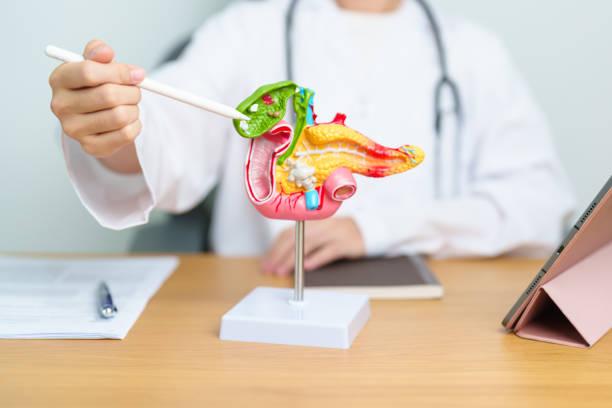
The thought of surgery often brings to mind images of large incisions, extended hospital stays, and lengthy recovery periods. However, modern medicine has transformed this experience dramatically. If you are facing gallbladder removal, minimally invasive gallstone surgery in Dubai offers a revolutionary approach that prioritizes your comfort, safety, and rapid return to normal life. This comprehensive guide explores the benefits of minimally invasive techniques and why they have become the gold standard for gallbladder surgery worldwide.
What Is Minimally Invasive Gallstone Surgery?
Minimally invasive surgery, also known as laparoscopic or keyhole surgery, represents a fundamental shift in how gallbladder procedures are performed.
The Evolution of Surgical Approaches
Understanding the progression helps you appreciate the benefits of modern techniques:
Traditional Open Surgery:
-
Single large incision of 4-6 inches
-
Direct visualization of the gallbladder
-
Significant tissue trauma
-
Longer hospital stays (3-5 days)
-
Extended recovery (6-8 weeks)
-
Noticeable scarring
Minimally Invasive Surgery:
-
Multiple small incisions of 1-2 centimeters
-
Camera-assisted visualization
-
Minimal tissue trauma
-
Shorter hospital stays (same-day or overnight)
-
Faster recovery (1-2 weeks to normal activities)
-
Minimal, barely visible scarring
How the Procedure Works
Minimally invasive gallstone surgery in Dubai follows a precise, well-established process:
-
Your surgeon makes three or four small incisions in your abdomen
-
Carbon dioxide gas gently inflates your abdomen, creating working space
-
A laparoscope (tiny camera) is inserted through one incision
-
The camera transmits high-definition images to a monitor
-
Your surgeon watches the monitor while operating
-
Specialized instruments are inserted through other incisions
-
Your gallbladder is carefully separated from surrounding tissues
-
The organ is removed through one of the small incisions
-
Incisions are closed with dissolvable stitches or surgical glue
This approach allows your surgeon to perform the procedure with exceptional precision while minimizing trauma to your body.
The Advantages of Minimally Invasive Surgery
Choosing minimally invasive gallstone surgery in Dubai offers numerous benefits over traditional open surgery.
Reduced Postoperative Pain
Smaller incisions mean less tissue trauma:
-
Less muscle cutting: Muscles are separated rather than cut
-
Reduced nerve damage: Smaller incisions affect fewer nerves
-
Less inflammation: Minimal tissue trauma means less inflammatory response
-
Lower pain medication needs: Many patients manage with over-the-counter pain relievers
Shorter Hospital Stays
Most patients undergoing minimally invasive gallstone surgery in Dubai:
-
Go home the same day as their surgery
-
Or stay one night for observation
-
Return to the comfort of their own home quickly
-
Avoid the risks and costs of extended hospitalization
Faster Recovery and Return to Normal Activities
The recovery timeline is significantly accelerated:
Activity Progression:
-
Same day: Walking with assistance
-
1-3 days: Light activities at home
-
1 week: Return to desk work
-
2 weeks: Most normal activities
-
3-4 weeks: Strenuous exercise and heavy lifting
Minimal Scarring
The cosmetic benefits are significant:
-
Small incisions: Each less than 2 centimeters
-
Strategic placement: Often hidden in natural skin folds
-
Invisible healing: Scars fade to barely visible lines
-
Single-incision options: Some procedures use one incision hidden in the navel
Lower Complication Rates
Minimally invasive techniques are associated with:
-
Reduced infection risk: Smaller wounds mean less infection exposure
-
Lower bleeding risk: Precise dissection minimizes bleeding
-
Fewer wound complications: Small incisions heal more reliably
-
Decreased hernia risk: Less abdominal wall disruption
Improved Cosmesis
Patients appreciate the aesthetic benefits:
-
No large abdominal scar: Preserving your body's appearance
-
Confidence in clothing: Wearing swimwear or fitted clothes without concern
-
Psychological benefit: Feeling whole and unmarked
Who Is a Candidate for Minimally Invasive Surgery?
Most patients are excellent candidates for minimally invasive gallstone surgery in Dubai.
Ideal Candidates
The procedure is suitable for most patients with:
-
Symptomatic gallstones
-
Chronic cholecystitis
-
Biliary colic
-
No history of extensive previous abdominal surgery
-
Normal anatomy (no unusual variations)
-
Good overall health status
Factors That May Affect Suitability
Some conditions may make the procedure more challenging:
-
Previous upper abdominal surgery: May cause scar tissue
-
Severe inflammation: Making organ identification difficult
-
Extensive scarring: From prior infections or surgery
-
Morbid obesity: May require specialized equipment
-
Cirrhosis or liver disease: Affecting surgical anatomy
-
Pregnancy: Timing may need adjustment
Your surgeon will evaluate your specific situation during consultation to determine the best approach for you.
Specialized Minimally Invasive Techniques
Beyond standard laparoscopy, advanced options may be available.
Single-Incision Laparoscopic Cholecystectomy (SILC)
This advanced technique offers even better cosmetic results:
The Procedure:
-
One incision hidden in the navel
-
Specialized flexible instruments used
-
The gallbladder removed through the single opening
-
The incision is closed within the navel
Advantages:
-
Virtually no visible scarring
-
Less tissue trauma
-
Excellent cosmetic outcome
-
Same safety profile as standard laparoscopy
Considerations:
-
Requires special training and equipment
-
May not be suitable for complex cases
-
May take longer than standard laparoscopy
Robotic-Assisted Minimally Invasive Surgery
Robotic technology enhances the surgeon's capabilities:
The Procedure:
-
The surgeon operates from a console
-
Robotic arms translate movements with precision
-
Three-dimensional, magnified visualization
-
Instruments with wrist-like articulation
Advantages:
-
Enhanced precision
-
Superior visualization
-
Greater dexterity
-
Potential for better outcomes in complex cases
Considerations:
-
Higher cost
-
Specialized training required
-
Availability may be limited
Natural Orifice Transluminal Endoscopic Surgery (NOTES)
An emerging technique with exciting potential:
The Procedure:
-
No abdominal incisions at all
-
Access through natural openings (mouth, vagina, or rectum)
-
Flexible endoscope used for access
-
The gallbladder removed through the natural opening
Advantages:
-
Truly scarless surgery
-
No abdominal incisions
-
Potentially less pain
Considerations:
-
Still considered experimental
-
Limited availability
-
Requires specialized expertise
Recovery After Minimally Invasive Surgery
Your recovery after minimally invasive gallstone surgery in Dubai is designed to be as smooth and comfortable as possible.
What to Expect in the First 24 Hours
Immediately after your procedure:
-
Recovery room: Close monitoring as you wake from anesthesia
-
Pain level: Generally mild to moderate, controlled with medication
-
Mobility: You will be encouraged to walk with assistance
-
Eating: Clear liquids may be offered once you are fully awake
-
Discharge planning: Most patients go home the same day or next morning
The First Week at Home
During your first week of recovery:
-
Activity: Light activities, short walks, rest when tired
-
Pain management: Usually manageable with over-the-counter pain relievers
-
Incision care: Keep clean and dry, watch for signs of infection
-
Diet: Start with light meals, gradually increase as tolerated
-
Follow-up: Your surgeon will schedule a follow-up appointment
Weeks Two to Four
As healing progresses:
-
Return to work: Most patients return to desk jobs
-
Activity increase: More walking, light household tasks
-
Diet expansion: Gradually return to normal eating
-
Energy improvement: Fatigue decreases as healing completes
-
Scar healing: Incisions continue to heal and fade
Minimally Invasive Surgery and Safety
Safety remains the highest priority in minimally invasive gallstone surgery in Dubai.
Why Minimally Invasive Surgery Is Safe
Several factors contribute to safety:
-
Better visualization: High-definition cameras provide superior views
-
Precise instruments: Designed for controlled, careful dissection
-
Shorter operating times: Experienced surgeons work efficiently
-
Team approach: The entire surgical team focuses on your safety
Safety Protocols
Multiple safeguards protect you:
-
Preoperative evaluation: Ensuring you are fit for surgery
-
Surgical checklist: Verifying correct patient, procedure, and site
-
Critical view of safety: A standard for identifying anatomy
-
Contingency planning: Preparedness for any unexpected findings
When Laparoscopic Surgery May Convert to Open Surgery
In rare circumstances, conversion may be necessary:
-
Severe inflammation: Making anatomy difficult to identify
-
Unexpected anatomy: Variations not seen on preoperative imaging
-
Complications: Such as bleeding or injury requiring repair
-
Equipment issues: Technical problems with laparoscopic equipment
Conversion does not mean failure—it represents your surgeon's commitment to your safety.
Frequently Asked Questions
Is minimally invasive gallbladder surgery painful?
The procedure is performed under general anesthesia, so you experience no pain during surgery. Postoperative discomfort is significantly less than with open surgery and is manageable with medication.
How long will I be in the hospital?
Most patients undergoing laparoscopic gallbladder surgery go home the same day or after an overnight stay.
Will I have scars after minimally invasive surgery?
You will have small scars, but they are typically 1-2 centimeters and heal to barely visible lines. Single-incision techniques offer virtually scarless results.
Can everyone have minimally invasive gallbladder surgery?
Most patients are good candidates. Your surgeon will evaluate your specific case and recommend the best approach for you.
How soon can I return to work after laparoscopic gallbladder surgery?
Most patients with desk jobs return to work within one to two weeks. Physical jobs may require three to four weeks.
What is the single-incision technique?
This approach uses one incision hidden in the navel, resulting in virtually no visible scarring. It offers excellent cosmetic outcomes.
Is robotic surgery better than standard laparoscopic surgery?
Both approaches offer excellent outcomes. Robotic surgery provides enhanced visualization and precision but is not necessary for routine cases.
Conclusion
Minimally invasive gallstone surgery in Dubai represents the modern standard of care, offering patients faster recovery, less pain, minimal scarring, and excellent outcomes. With advanced techniques, experienced surgeons, and comprehensive patient support, you can approach your surgery with confidence knowing you are receiving the best available care. The days of large incisions and prolonged recoveries are behind us—today's gallbladder surgery is designed with your comfort and well-being as top priorities.
At Tajmeels Clinic, we specialize in minimally invasive gallstone surgery, using the latest laparoscopic techniques to ensure your safety and satisfaction. Our experienced surgical team is committed to providing you with a comfortable, efficient surgical experience that gets you back to your life as quickly as possible. Contact us today to schedule your consultation and discover how our minimally invasive approach can benefit you.

 Bangla