


Caregiver Scheduling Software: Smart Way to Improve Staff Coordination and Patient Care
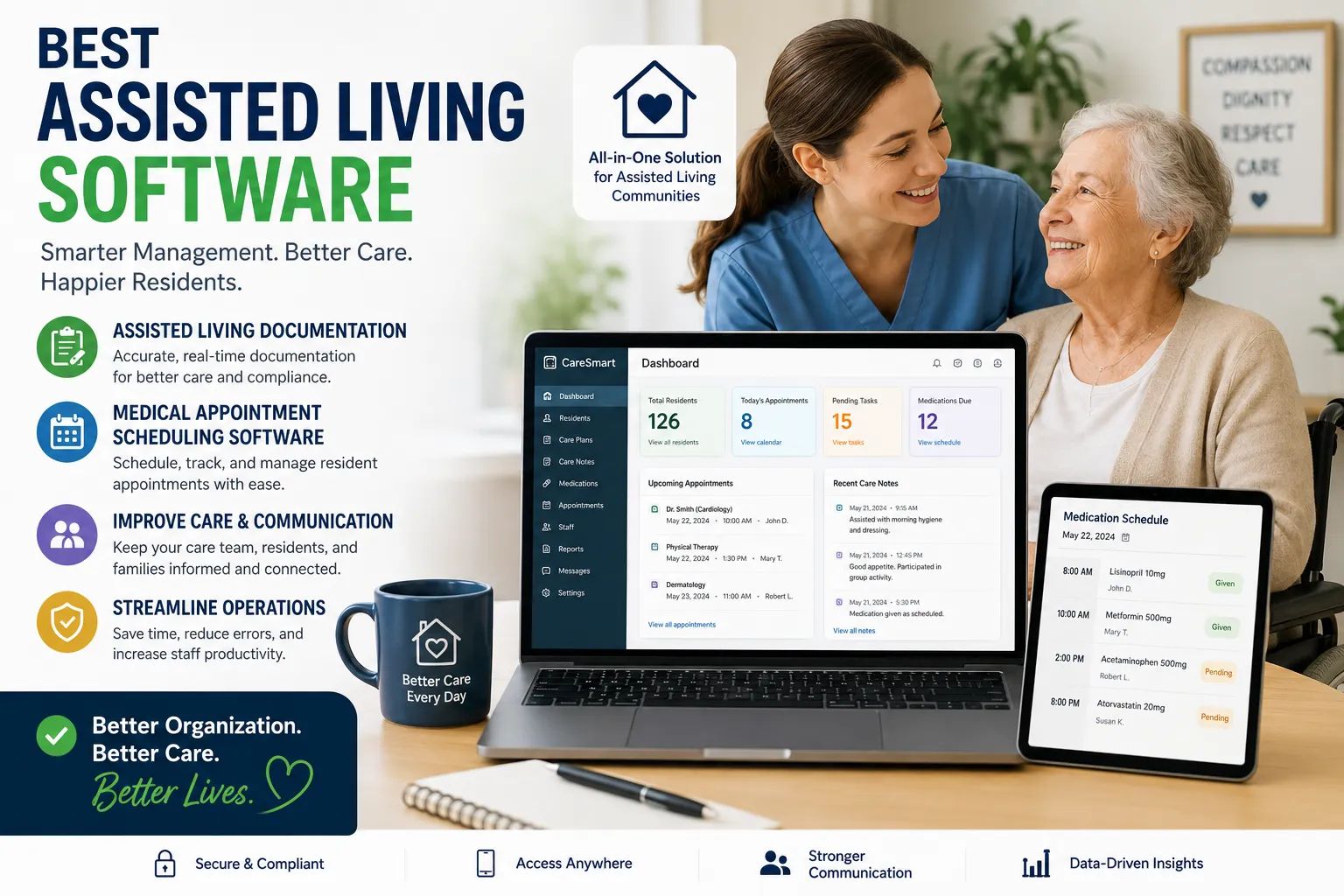
Managing caregiver schedules is one of the biggest operational challenges for healthcare organizations. Assisted living facilities, home healthcare agencies, rehabilitation centers, and medical practices must coordinate multiple caregivers, accommodate changing patient needs, and ensure every shift is properly staffed. When schedules are created manually, errors, staffing shortages, and communication gaps become common.
Caregiver scheduling software offers a modern solution by automating staff scheduling, improving communication, and helping organizations assign the right caregiver to the right resident at the right time. When combined with medical scheduling software, healthcare providers can coordinate both caregiver availability and patient appointments through a centralized system, creating smoother workflows and better care experiences.
If your organization struggles with shift conflicts, last-minute schedule changes, or excessive administrative work, adopting digital scheduling software can significantly improve daily operations.
Why Manual Scheduling Creates Operational Problems
Many healthcare providers continue using spreadsheets, paper calendars, or basic scheduling tools that cannot keep up with modern healthcare demands.
Manual scheduling often leads to:
- Double-booked caregivers
- Last-minute shift shortages
- Overtime management challenges
- Missed patient visits
- Slow communication between departments
- Difficulty tracking employee availability
- Increased administrative workload
These issues reduce efficiency while placing unnecessary pressure on caregivers and managers.
What Is Caregiver Scheduling Software?
Caregiver scheduling software is a digital workforce management platform designed specifically for healthcare organizations. It automates scheduling, shift assignments, availability tracking, and caregiver communication while helping administrators maintain appropriate staffing levels.
Most platforms include features such as:
- Employee scheduling
- Shift management
- Time-off requests
- Availability tracking
- Mobile notifications
- Shift swapping
- Attendance monitoring
- Payroll integration
- Reporting dashboards
- Compliance tracking
By replacing manual scheduling methods, organizations reduce administrative work while improving workforce coordination.
How Medical Scheduling Software Complements Caregiver Scheduling
While caregiver scheduling software focuses on workforce management, medical scheduling software helps organize patient appointments, physician calendars, follow-up visits, therapy sessions, and clinical procedures.
When both systems work together, healthcare organizations benefit from:
Coordinated Staff and Patient Scheduling
Appointments can be matched with caregiver availability, reducing delays and improving patient experiences.
Better Resource Management
Facilities can assign caregivers based on workload, certifications, specialties, and appointment schedules.
Fewer Scheduling Conflicts
Integrated scheduling prevents overlapping appointments and staffing shortages.
Improved Patient Flow
Coordinated scheduling helps reduce waiting times while improving daily workflow efficiency.
Key Benefits of Caregiver Scheduling Software
Healthcare organizations of every size can benefit from scheduling automation.
Save Administrative Time
Creating weekly schedules manually often requires hours of planning.
Automated scheduling tools generate optimized schedules in minutes based on availability, staffing requirements, and organizational policies.
Improve Staff Satisfaction
Caregivers appreciate transparent scheduling, self-service shift requests, and mobile schedule access.
Better scheduling helps reduce burnout while improving employee retention.
Reduce Scheduling Errors
Automation minimizes duplicate assignments, overtime mistakes, and forgotten schedule changes.
Strengthen Communication
Instant notifications keep caregivers informed about schedule updates, open shifts, and emergency changes without relying on phone calls or paper notices.
Improve Compliance
Scheduling software helps managers monitor work hours, certifications, mandatory breaks, and staffing requirements to support regulatory compliance.
Essential Features to Look For
When comparing caregiver scheduling software, choose a platform that includes:
Mobile Accessibility
Caregivers should be able to view schedules, request shift changes, and receive notifications from smartphones or tablets.
Automated Shift Assignment
The software should assign caregivers based on qualifications, availability, resident needs, and workload.
Real-Time Updates
Schedule changes should instantly appear for all authorized users.
Integration with Medical Scheduling Software
Connecting caregiver schedules with patient appointments improves coordination and operational efficiency.
Reporting and Analytics
Managers benefit from reports covering staffing levels, overtime, attendance, labor costs, and scheduling trends.
Secure Data Management
Healthcare scheduling systems should protect employee and patient information through secure access controls and data encryption.
Common Scheduling Mistakes to Avoid
Even advanced software requires thoughtful implementation.
Avoid these common mistakes:
- Scheduling caregivers without considering qualifications
- Ignoring employee availability
- Delaying schedule updates
- Failing to communicate last-minute changes
- Overloading high-performing caregivers with excessive shifts
- Choosing software without scalability
Developing clear scheduling policies helps maximize the value of digital scheduling solutions.
How Scheduling Software Supports Better Patient Care
Effective scheduling affects more than staff productivity—it directly impacts patient outcomes.
Well-organized schedules help healthcare providers:
- Reduce appointment delays
- Improve caregiver continuity
- Increase response times
- Enhance communication
- Support personalized care
- Minimize staff fatigue
When caregivers spend less time managing schedules and more time assisting residents or patients, the overall quality of care improves.
The Future of Healthcare Scheduling
Healthcare organizations continue adopting technologies that make scheduling smarter and more efficient.
Artificial intelligence is already helping managers predict staffing needs based on patient volume, historical trends, and seasonal demand.
Future scheduling platforms may also include predictive workforce planning, automated conflict resolution, voice-enabled scheduling assistants, and advanced labor analytics.
Organizations that invest in modern scheduling technology today will be better prepared to meet future staffing challenges while maintaining excellent patient care.
Final Thoughts
Caregiver scheduling software has become an essential tool for healthcare organizations seeking to improve workforce management and operational efficiency. When integrated with medical scheduling software, it creates a seamless workflow that connects caregivers, administrators, and patient appointments in one organized system.
By automating scheduling, reducing administrative burdens, improving communication, and supporting smarter staffing decisions, healthcare providers can deliver more reliable care while creating a better working environment for caregivers. Investing in the right scheduling solution is a practical step toward improving both employee satisfaction and patient outcomes.

 Bangla