

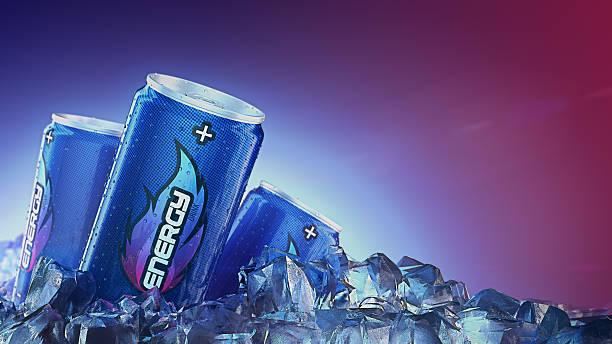

The UAE has become one of the most dynamic beverage markets in the Middle East, driven by changing lifestyles, an active workforce, and growing interest in functional drinks. Energy beverages are no longer associated only with athletes or fitness enthusiasts. Today, they appeal to students, office professionals, travelers, and consumers looking for convenient refreshment during busy schedules. This shift reflects broader changes in consumer preferences toward products that combine convenience with perceived performance benefits.
According to a MarkNtel Advisors study, the UAE energy drinks industry continues to evolve as brands introduce healthier formulations, innovative flavors, and targeted product offerings. Readers seeking deeper industry insights can explore this UAE Energy Drinks market report for a detailed analysis of emerging trends, competitive developments, and future opportunities. The growing demand also aligns with the UAE government's initiatives promoting healthier lifestyles and physical activity through national wellness programs.
Health Conscious Choices Are Reshaping Product Innovation
One of the most significant changes in the industry is the increasing preference for beverages with reduced sugar content and functional ingredients. Consumers are paying closer attention to product labels and nutritional value, encouraging manufacturers to develop drinks containing natural caffeine sources, vitamins, electrolytes, and botanical extracts.
This trend reflects a broader global movement toward healthier beverage choices. As nutrition awareness grows, companies are balancing taste with functionality to meet evolving consumer expectations. Public health organizations have consistently emphasized reducing excessive sugar intake while encouraging healthier dietary habits.
Fitness Culture Continues to Influence Demand
The UAE's expanding fitness culture has also contributed to the popularity of energy drinks, particularly isotonic beverages designed to support hydration during physical activity. Gym memberships, endurance events, recreational sports, and community fitness campaigns have encouraged consumers to seek beverages that complement active lifestyles.
Events such as fitness challenges and sports festivals have strengthened awareness of hydration and performance nutrition, creating opportunities for brands to introduce products tailored to different consumer groups.
Retail Expansion Improves Product Accessibility
Energy drinks have become increasingly accessible through supermarkets, convenience stores, fuel stations, vending machines, and online retail platforms. Consumers can easily purchase products wherever they travel, making convenience an important driver of demand.
Digital commerce has further expanded product availability by offering wider flavor selections and allowing consumers to compare brands before purchasing. The combination of physical retail growth and e-commerce continues to strengthen product visibility across the country.
Regulations Are Encouraging Product Reformulation
Government policies are also influencing product development. Manufacturers are responding to evolving regulations by introducing beverages with lower sugar content and improved ingredient profiles. These adjustments not only help companies comply with regulatory requirements but also address growing consumer interest in healthier alternatives.
As regulations evolve, innovation is likely to remain a key competitive factor, encouraging brands to invest in new formulations and transparent labeling practices.
Looking Ahead
The UAE energy drinks sector is transitioning from traditional stimulant-based beverages toward more balanced, health-focused products. Consumer awareness, active lifestyles, retail expansion, and supportive health initiatives are collectively shaping future industry trends. Companies that successfully combine convenience, functionality, and nutritional value are expected to remain well positioned as consumer preferences continue to evolve.
