

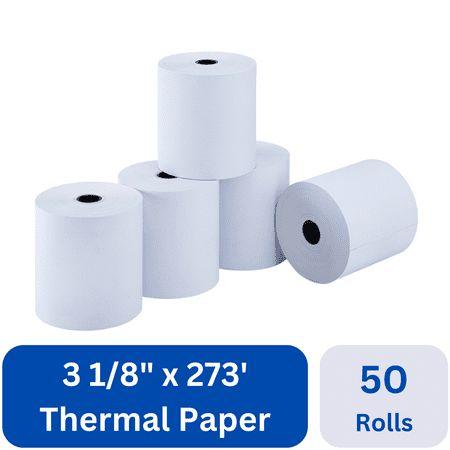

Thermal Paper Rolls: Questions About Uses, Materials, and Printing Efficiency
Thermal paper rolls are a fundamental component in modern printing systems, widely used in retail, hospitality, banking, and healthcare industries. These rolls are designed to produce text and images through heat-sensitive technology, allowing businesses to print receipts, invoices, tickets, and labels quickly and efficiently. Selecting the right thermal paper rolls can significantly impact printing quality, machine performance, and operational costs, making them an essential investment for businesses that rely on fast and reliable document production. Businesses across various sectors depend on thermal paper for its convenience, cost-effectiveness, and high-quality output. Whether used for point-of-sale receipts, ATM slips, or shipping labels, these rolls ensure consistency in print clarity and reduce maintenance requirements compared to traditional ink-based systems.
How Thermal Paper Rolls Work
Thermal paper is coated with a chemical that reacts to heat from a printer. When the printer’s thermal head heats the paper, it produces the intended text or image without requiring ink or toner. The efficiency and reliability of thermal paper make it particularly suitable for environments with high print volumes. The paper’s coating plays a vital role in its performance. High-quality coatings ensure that text and images remain clear, legible, and resistant to smudging. The thickness and smoothness of the paper also affect how well it feeds through printers and the durability of the prints.
Types of Thermal Paper Rolls
Businesses can choose from different types of thermal paper rolls based on their needs:
-
Standard Rolls: Widely used for everyday receipt printing in retail and hospitality.
-
Premium Rolls: Offer higher durability, better print clarity, and longer shelf life.
-
BPA-Free Rolls: Designed for safer handling, especially in healthcare or food-related sectors.
-
Recycled or Eco-Friendly Rolls: Cater to businesses aiming for environmentally responsible options.
Selecting the appropriate type ensures compatibility with printers and achieves the desired print quality.
Selecting the Right Size and Thickness
Choosing the correct size and thickness of thermal paper rolls is crucial for smooth printer operation. Roll width and diameter must match the printer specifications to avoid jams or uneven prints. Paper thickness affects both print durability and feeding consistency.
-
Standard widths are typically used for POS terminals.
-
Larger rolls are suitable for high-volume printing in banks or logistics operations.
-
Compact rolls are ideal for mobile or portable printers.
Correct sizing and compatibility with your printing equipment help maintain operational efficiency and reduce downtime.
Applications of Thermal Paper Rolls
The versatility of thermal paper rolls allows them to serve a wide range of business needs:
-
Retail: Printing receipts and invoices quickly and efficiently.
-
Hospitality: Billing and order management in restaurants, cafes, and hotels.
-
Banking: ATM slips, transaction records, and check printing.
-
Logistics: Shipping labels, delivery notes, and barcodes.
-
Healthcare: Prescription slips, lab results, and patient documentation.
The ability to produce clean, legible prints rapidly makes thermal paper indispensable across multiple industries.
Advantages of Thermal Paper Rolls
Thermal paper rolls offer several benefits for businesses:
-
Ink-Free Printing: Eliminates the need for toner or ink cartridges.
-
Speed and Efficiency: Allows high-speed printing, reducing transaction times.
-
Consistency: Produces clear, legible prints throughout the roll’s lifespan.
-
Low Maintenance: Fewer mechanical issues compared to traditional printers.
-
Cost-Effective: Reduces recurring expenses for ink and maintenance.
These advantages explain why thermal paper remains a preferred choice for businesses with high-volume printing requirements.
Storage and Handling
Proper storage and handling are essential to preserve the quality of thermal paper rolls:
-
Keep rolls in a cool, dry location to prevent heat or humidity damage.
-
Avoid exposure to sunlight, which can cause fading or discoloration.
-
Store rolls upright in original packaging to maintain smoothness and prevent curling.
-
Protect rolls from contact with oils, chemicals, or moisture to preserve print quality.
Proper thermal paper storage ensures optimal performance and extends the paper's lifespan.
Market Trends
The market for thermal paper rolls continues to evolve, with trends focused on quality, safety, and sustainability:
-
BPA-Free Options: Growing demand for safer handling in food and healthcare environments.
-
Eco-Friendly Paper: Recycled or biodegradable rolls to reduce environmental impact.
-
High-Durability Rolls: Premium coatings that resist fading and smudging.
-
Specialized Formats: Rolls designed for mobile printers, ATMs, and label printing.
These trends reflect the increasing need for safe, reliable, and environmentally responsible printing solutions.
Tips for Businesses
To make the most of thermal paper rolls:
-
Always match the roll specifications with printer requirements.
-
Invest in premium or BPA-free paper for sensitive applications.
-
Regularly monitor printer performance to avoid jams and downtime.
-
Purchase rolls from trusted suppliers to ensure consistent quality.
These measures ensure operational efficiency and high-quality output.
For best reading materials click here
FAQs About Thermal Paper Rolls
Q1: What are thermal paper rolls used for?
They are used in POS terminals, ATMs, shipping labels, and healthcare documentation.
Q2: How do I choose the right size?
Check the printer’s width, diameter, and thickness requirements before purchase.
Q3: Are there BPA-free options available?
Yes, BPA-free thermal rolls are available for safer handling.
Q4: How should I store thermal paper rolls?
Keep out of direct sunlight, heat, and moisture and store in a cool, dry location.
Q5: Can thermal paper rolls be recycled?
Many premium and eco-friendly options are made from recyclable materials.
Q6: Why is thermal paper preferred over ink printing?
It’s faster, requires no ink, and produces consistent, legible prints with minimal maintenance.
