


How Safe Is Biliary Tract and Liver Surgery in Dubai
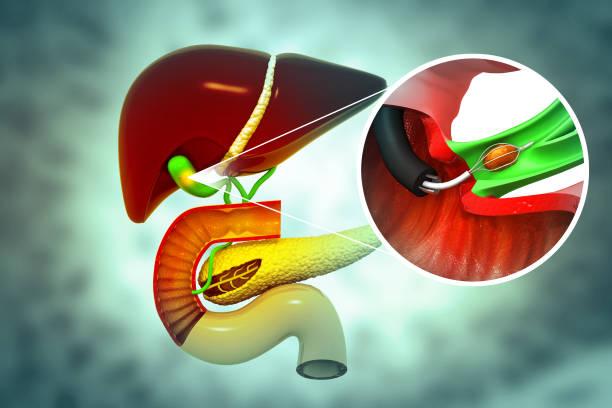
One of the most common and understandable concerns patients have when facing surgery is safety. The thought of undergoing a major procedure on vital organs can be daunting, and it is natural to ask: "How safe is biliary tract and liver surgery in Dubai?" The answer is that with modern medical advancements, rigorous safety protocols, and highly skilled surgical teams, these procedures are safer than ever before.
This guide provides a transparent overview of the safety measures in place, the factors that contribute to a safe surgical experience, and how you can be an active participant in your own safety.
The Evolution of Surgical Safety
Surgical safety has improved dramatically over the past few decades. What was once a high-risk endeavor is now a routine procedure with excellent outcomes.
Key Advancements That Have Improved Safety:
-
Minimally Invasive Techniques: Laparoscopic and robotic surgery involve smaller incisions, leading to less blood loss, reduced risk of infection, and faster recovery.
-
Advanced Imaging: Technologies like intraoperative ultrasound and ICG fluorescence allow surgeons to see critical structures in real-time, reducing the risk of accidental injury.
-
Enhanced Recovery Protocols (ERAS): These evidence-based guidelines help patients recover faster and with fewer complications.
-
Improved Anesthesia: Modern anesthesia is safer and more precise, with better monitoring and fewer side effects.
-
Stricter Infection Control: Hospitals now have rigorous protocols to prevent surgical site infections.
The Multi-Layered Safety System
Safety in biliary tract and liver surgery in Dubai is not the result of a single factor; it is a multi-layered system designed to protect you at every stage.
Layer 1: Pre-Operative Evaluation
Before surgery, you undergo a thorough medical evaluation to identify any potential risks. This includes:
-
Comprehensive blood tests to assess liver and kidney function.
-
Advanced imaging to map your anatomy.
-
A review of your medical history, medications, and allergies.
-
An anesthesia consultation to ensure you are fit for surgery.
Layer 2: The Surgical Team
Your safety is in the hands of a highly trained team of professionals.
-
The Surgeon: A specialist with extensive experience in hepatobiliary surgery.
-
The Anesthesiologist: A physician dedicated to your safety during the procedure.
-
The Operating Room Nurses: Skilled professionals who maintain the sterile field and assist the surgeon.
-
The Intensivist: A critical care specialist who may manage your care in the ICU.
Layer 3: The Operating Environment
The operating theatre is a controlled environment designed for safety.
-
Sterility: Strict protocols are followed to prevent infection.
-
Advanced Monitoring: Your vital signs are continuously monitored.
-
Emergency Preparedness: The team is trained to handle any unexpected complications.
Layer 4: Post-Operative Care
Your safety is monitored closely after surgery.
-
Recovery Room: You are closely monitored as you wake up from anesthesia.
-
Hospital Stay: Your vital signs, pain levels, and wound healing are monitored.
-
Discharge Instructions: You receive clear instructions on how to care for yourself at home.
Understanding the Risks and How They Are Managed
It is important to be transparent about the fact that all surgery carries some risk. The key is understanding those risks and knowing how they are managed.
Common Risks and Their Mitigation:
| Risk | How It Is Managed |
|---|---|
| Infection | Sterile surgical techniques, prophylactic antibiotics. |
| Bleeding | Advanced surgical techniques to control bleeding, blood transfusions if needed. |
| Bile Leak | Careful surgical technique, post-operative monitoring. |
| Anesthesia Complications | Thorough pre-operative evaluation, continuous monitoring during surgery. |
| Blood Clots | Early mobilization, compression stockings, blood thinners if appropriate. |
Your Role in Your Own Safety
While the surgical team is responsible for your safety during the procedure, you play a crucial role in your own safety before and after surgery.
How You Can Contribute to Your Safety:
-
Be Honest: Provide a complete and accurate medical history, including all medications, supplements, and allergies.
-
Follow Instructions: Adhere to all pre-operative instructions, including fasting guidelines.
-
Ask Questions: If you don't understand something, ask. A well-informed patient is a safer patient.
-
Communicate: Tell your healthcare team about any changes in your condition or any concerns you have.
-
Follow Post-Op Instructions: Carefully follow all instructions for wound care, activity, and medication.
A Track Record of Safety
Dubai's healthcare system is known for its high standards and commitment to patient safety. The city's hospitals and clinics are regularly inspected and accredited by international bodies like the Joint Commission International (JCI), ensuring they meet the highest global safety standards.
How safe is biliary tract and liver surgery in Dubai? The answer, backed by advanced technology, expert teams, and rigorous protocols, is very safe. By choosing a top-tier facility, you are choosing a system that prioritizes your safety above all else.
At Tajmeels Clinic, safety is the foundation of everything they do. The team is committed to providing the safest biliary tract and liver surgery in Dubai, with comprehensive protocols and an unwavering dedication to patient wellbeing. You can trust that your safety is in expert hands.

 Bangla