


Why Used Cars Are Reshaping Mobility Choices in India
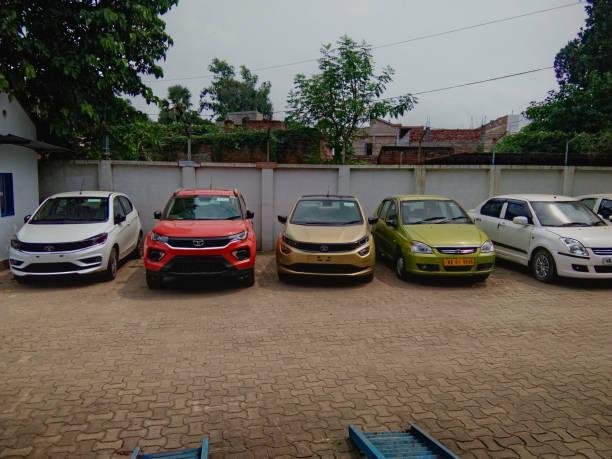
Car ownership in India is changing as consumers become more practical about affordability, vehicle quality, and long-term ownership costs. A pre-owned vehicle is no longer viewed only as a compromise for budget-conscious buyers. Improved vehicle durability, greater model availability, and changing ownership habits are making used cars a considered mobility choice for households seeking personal transportation without the financial commitment associated with a new vehicle.
Digital discovery and organized retail networks are also making the buying journey more structured. Consumers can increasingly compare models, review vehicle details, explore financing, and assess ownership histories before making a decision. Research into the pre-owned vehicle ecosystem in India indicates that affordability and economic accessibility remain central factors influencing demand, particularly as buyers evaluate practical alternatives to higher-priced new cars.
According to an analysis published by MarkNtel Advisors, the India Used Car Market is projected to expand from USD 45.0 billion in 2026 to USD 86.32 billion by 2032, registering a CAGR of around 11.47% during the forecast period. This outlook reflects a wider change in consumer perceptions, supported by younger vehicle inventory, shorter ownership cycles, organized resale networks, and improving access to digital transaction channels.
Affordability Is Changing Car Ownership Decisions
The cost difference between new and pre-owned cars remains an important consideration for Indian households. A used vehicle can provide access to personal mobility while allowing buyers to manage purchase costs more carefully. This is especially relevant in cities where daily commuting needs, family travel, and limited public transport connectivity can influence the decision to own a vehicle.
India's wider automobile ecosystem is also being shaped by a young population, expanding middle class, and mobility demand from rural and urban areas. The India Brand Equity Foundation highlights the importance of demographic and mobility factors in supporting the country's automotive sector, providing broader context for evolving vehicle purchase behaviour. Automobile sector insights from IBEF also underline the continuing importance of passenger mobility within India's transportation landscape.
Younger Used Cars Are Improving Buyer Confidence
One notable shift is the growing availability of relatively younger pre-owned vehicles. Some owners are replacing cars after shorter usage periods, bringing vehicles with modern safety features, infotainment systems, and improved efficiency into the resale channel. This development can narrow the perceived quality gap between a recently manufactured used car and a brand-new model.
Younger inventory can also make vehicle evaluation easier for buyers when service records and ownership documentation are available. Consumers are increasingly interested in vehicle condition, maintenance history, accident records, and expected running expenses. As buyer awareness improves, transparency is becoming a significant part of the used-car purchase experience rather than an optional service offered by selected sellers.
Digital Platforms Are Making Transactions More Structured
Technology is changing how buyers and sellers connect. Online platforms allow users to search across multiple brands, body types, price ranges, fuel options, and locations. Digital valuation systems can also help owners develop a preliminary understanding of a vehicle's resale value before entering negotiations. These tools reduce information gaps that historically made pre-owned transactions difficult for less experienced buyers.
However, digital convenience does not remove the need for physical inspection and documentation checks. Vehicle condition can vary considerably, even between cars of the same age and model. A structured transaction process therefore depends on combining digital comparison with mechanical assessment, ownership verification, insurance review, and careful examination of registration records.
Organized Sellers Are Raising Expectations for Transparency
The expansion of organized resale networks is influencing service expectations across the sector. Buyers increasingly look for inspection processes, documented vehicle histories, clear pricing, and support with ownership transfers. Independent retailers and direct owner transactions remain important, but the availability of more structured alternatives is encouraging consumers to ask detailed questions before completing a purchase.
Transparency is particularly important because used cars are not standardized products. Mileage, maintenance practices, driving conditions, repairs, and previous ownership can affect the value of each vehicle differently. Sellers capable of presenting reliable information may find it easier to build buyer confidence, while consumers are becoming more careful about vehicles with incomplete records or unclear histories.
Financing Remains an Important Purchase Consideration
Access to finance can influence whether a consumer chooses a new or pre-owned vehicle. Used-car loans may carry different lending conditions because financial institutions consider vehicle age, residual value, borrower profile, and repayment risk. Higher borrowing costs can reduce the affordability advantage of a pre-owned car, particularly when the buyer relies heavily on financing.
For this reason, consumers are likely to assess the total cost of ownership more carefully. Purchase price alone does not provide a complete picture. Interest expenses, insurance, servicing, tyre replacement, fuel consumption, and possible repairs can significantly affect the financial value of a used vehicle. Better cost comparison may support more informed purchasing decisions across different vehicle categories.
Vehicle Scrappage Is Adding a Lifecycle Perspective
India's automotive ecosystem is also placing greater emphasis on vehicle lifecycle management. The Society of Indian Automobile Manufacturers notes that the country's circularity framework combines vehicle scrappage rules, registered vehicle scrapping facilities, and broader responsibility systems for automotive materials. SIAM's automotive circularity analysis explains how formal dismantling and traceability are becoming increasingly relevant to vehicle end-of-life management.
This lifecycle perspective may gradually influence the used-car ecosystem by increasing attention to vehicle fitness, age, repairability, and responsible disposal. Cars with dependable maintenance histories and acceptable operating conditions can retain relevance in resale channels, while unfit vehicles require more structured end-of-life pathways. The distinction between reusable vehicles and end-of-life vehicles is therefore becoming more important.
Pre-Owned Mobility Is Becoming a Mainstream Choice
India's used-car landscape is evolving through a combination of affordability, digital access, younger inventory, and stronger expectations for transaction transparency. Consumers are becoming more informed, while sellers are adapting to demand for clearer vehicle information and structured purchasing experiences. These changes are helping pre-owned cars move closer to mainstream personal mobility rather than remaining a fragmented secondary option.
The next phase of development will depend on how effectively the ecosystem addresses financing costs, vehicle inspection, documentation quality, and consumer trust. A more transparent and organized resale environment can support informed decisions while preserving the affordability that attracts buyers. As ownership preferences continue to change, used cars are likely to remain an important part of India's broader mobility landscape.

 Bangla