


How Can Medical Negligence Lead to Blindness?
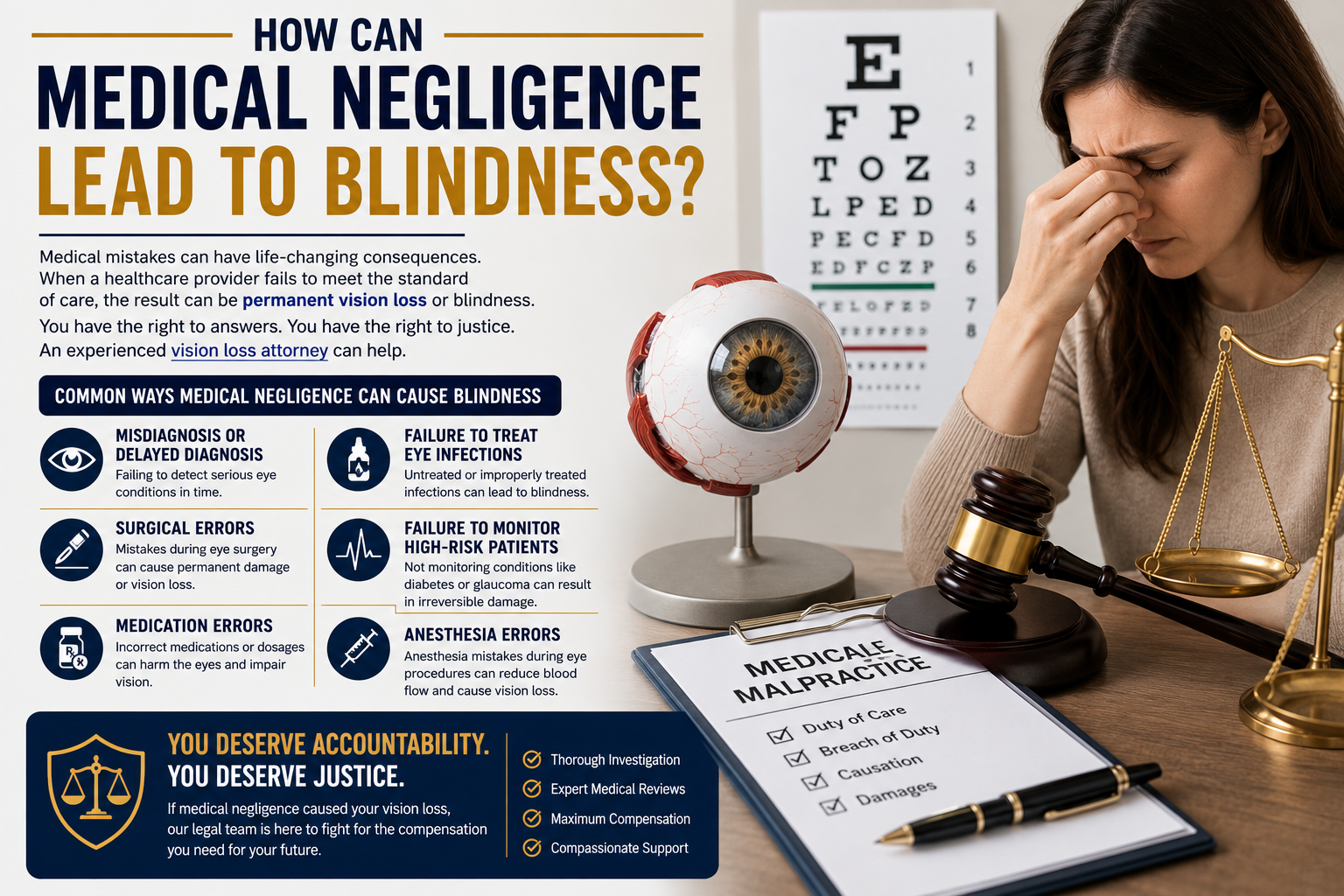
Vision is one of our most valuable senses, allowing us to work, drive, communicate, and enjoy everyday life. Unfortunately, medical errors involving eye care, diagnosis, treatment, or surgery can sometimes result in partial or permanent blindness. When healthcare providers fail to meet accepted medical standards, patients may suffer devastating consequences that could have been prevented. If you or a loved one experienced vision loss because of a medical mistake, seeking guidance from a lawyer for preventable vision loss cases can help you understand your legal rights and options.
Medical negligence is a form of malpractice that occurs when a healthcare professional's actions—or failure to act—fall below the accepted standard of care. In severe cases, these errors can permanently damage the eyes, optic nerves, or visual pathways, leading to blindness.
What Is Medical Negligence?
Medical negligence occurs when a doctor, surgeon, ophthalmologist, nurse, or healthcare facility fails to provide appropriate care that a reasonably competent medical professional would have provided under similar circumstances.
To establish medical negligence, a patient generally must show:
-
A doctor-patient relationship existed
-
The healthcare provider owed a duty of care
-
The provider breached that duty
-
The breach caused injury
-
The patient suffered damages
When blindness or significant vision loss results from that negligence, the victim may have grounds for a medical malpractice claim.
Common Ways Medical Negligence Can Cause Blindness
Blindness caused by medical negligence can occur in many healthcare settings. Some cases involve direct injury to the eye, while others result from delayed treatment or misdiagnosis.
Misdiagnosis or Delayed Diagnosis
One of the most common causes of preventable blindness is the failure to diagnose serious eye conditions promptly.
Examples include:
-
Glaucoma
-
Retinal detachment
-
Diabetic retinopathy
-
Macular degeneration
-
Optic neuritis
-
Retinal vascular occlusion
When these conditions are not identified and treated early, permanent vision loss may occur.
Surgical Errors During Eye Procedures
Eye surgeries require exceptional precision. Even minor mistakes can have life-changing consequences.
Procedures commonly involved in malpractice claims include:
Cataract Surgery
Errors during cataract surgery may cause:
-
Retinal damage
-
Infection
-
Corneal injury
-
Permanent vision impairment
LASIK Surgery
Improper LASIK procedures may lead to:
-
Severe vision distortion
-
Corneal complications
-
Chronic pain
-
Permanent loss of vision
Retinal Surgery
Mistakes during retinal procedures can worsen existing conditions and increase the risk of blindness.
Failure to Treat Eye Infections
Serious eye infections can progress rapidly if left untreated.
Healthcare providers who fail to recognize or properly manage infections may allow conditions to worsen, leading to:
-
Corneal scarring
-
Tissue damage
-
Permanent blindness
-
Loss of an eye
Prompt diagnosis and treatment are critical to preserving vision.
Medication Errors and Blindness
Prescription mistakes can also contribute to severe eye injuries.
Examples include:
-
Incorrect medications
-
Improper dosage instructions
-
Failure to identify drug interactions
-
Administering medications contraindicated for eye conditions
Certain medications may increase pressure inside the eye, damage the optic nerve, or worsen existing eye diseases.
Failure to Monitor High-Risk Patients
Some patients face a greater risk of developing serious vision problems due to underlying medical conditions.
Healthcare providers may be negligent if they fail to monitor patients with:
-
Diabetes
-
Hypertension
-
Autoimmune disorders
-
Previous eye disease
-
Family history of glaucoma
Regular examinations can help detect problems before irreversible damage occurs.
Anesthesia Errors During Eye Surgery
Although uncommon, anesthesia mistakes can have devastating consequences.
Potential complications include:
-
Reduced blood flow to the optic nerve
-
Oxygen deprivation
-
Surgical complications
-
Permanent visual impairment
These cases often require extensive medical investigation and expert testimony.
How Blindness Affects Victims
The consequences of blindness extend far beyond the physical injury itself.
Victims often experience:
-
Loss of independence
-
Inability to drive
-
Reduced earning capacity
-
Job loss
-
Emotional trauma
-
Depression and anxiety
-
Increased medical expenses
-
Need for assistive technology
-
Ongoing rehabilitation
Because blindness is often permanent, the financial and emotional impact can last a lifetime.
Proving Medical Negligence in a Blindness Case
Medical malpractice claims involving blindness are often complex.
Victims typically need evidence showing:
-
The healthcare provider violated accepted medical standards
-
Another competent provider would have acted differently
-
The negligence directly caused vision loss
-
The injury resulted in measurable damages
Evidence may include:
-
Medical records
-
Surgical reports
-
Diagnostic imaging
-
Expert witness testimony
-
Ophthalmology evaluations
-
Prescription records
Expert medical opinions are frequently required to establish liability.
Compensation Available in Blindness Cases
Victims of medical negligence may be entitled to substantial compensation depending on the severity of the injury.
Damages may include:
Economic Damages
-
Medical bills
-
Future treatment expenses
-
Rehabilitation costs
-
Lost wages
-
Loss of earning capacity
-
Assistive devices
Non-Economic Damages
-
Pain and suffering
-
Emotional distress
-
Mental anguish
-
Loss of enjoyment of life
-
Permanent disability
In catastrophic cases involving complete blindness, compensation may also account for lifelong care needs.
Why Early Legal Action Matters
Medical malpractice cases are subject to legal deadlines known as statutes of limitations.
Waiting too long may:
-
Result in lost evidence
-
Make witness testimony harder to obtain
-
Prevent recovery altogether
Seeking legal guidance early allows attorneys to preserve records, consult experts, and investigate the circumstances surrounding the injury.
How a Vision Loss Lawyer Can Help
Blindness cases often involve complicated medical issues and aggressive defense strategies from hospitals and insurance companies.
A vision loss lawyer can:
-
Investigate the cause of blindness
-
Review medical records
-
Consult ophthalmology experts
-
Identify negligent parties
-
Calculate long-term damages
-
Negotiate settlements
-
Represent clients at trial
Because blindness frequently results in lifelong consequences, it is essential that victims pursue compensation that reflects both current and future losses.
Conclusion
Medical negligence can have devastating consequences when it results in blindness or severe vision loss. Whether the injury stems from a misdiagnosis, surgical mistake, medication error, or delayed treatment, patients have the right to seek accountability when healthcare providers fail to meet accepted standards of care.
Understanding how medical negligence leads to blindness is the first step toward protecting your legal rights. If preventable medical errors caused your vision loss, consulting an experienced vision loss lawyer can help you pursue the compensation necessary to support your future medical, financial, and personal needs.
Frequently Asked Questions
1. Can a doctor be sued for causing blindness?
Yes. If blindness resulted from medical negligence, such as misdiagnosis, surgical errors, or improper treatment, a medical malpractice claim may be possible.
2. What eye conditions are commonly involved in malpractice claims?
Glaucoma, retinal detachment, diabetic retinopathy, macular degeneration, and serious eye infections are frequently involved in vision loss cases.
3. How do I prove medical negligence caused my blindness?
Medical records, expert testimony, surgical reports, and evidence showing a breach of the standard of care are typically required.
4. What compensation is available for blindness caused by malpractice?
Victims may recover medical expenses, lost wages, future care costs, pain and suffering, and compensation for permanent disability.
5. How long do I have to file a blindness lawsuit?
The deadline depends on your state's statute of limitations and the specific circumstances of your case.

 Bangla