

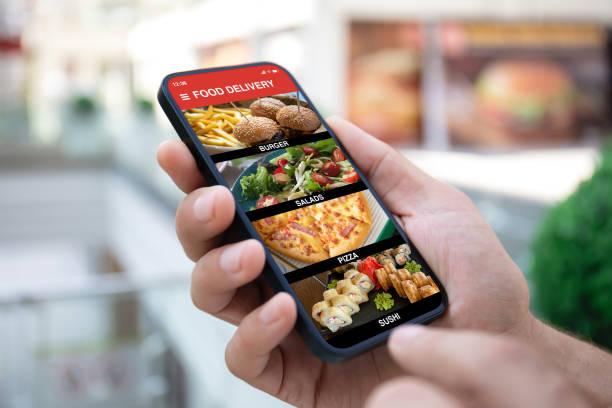

As per Market Research Future analysis, the Online Food Delivery Services Market Size was estimated at 165.71 USD Billion in 2024. The Online Food Delivery Services industry is projected to grow from 186.21 USD Billion in 2025 to 597.84 USD Billion by 2035, exhibiting a compound annual growth rate (CAGR) of 12.37% during the forecast period 2025 - 2035. The increasing popularity of digital ordering platforms, expanding restaurant partnerships, and evolving consumer lifestyles continue driving remarkable growth across the online food delivery industry. Consumers appreciate the convenience of accessing diverse cuisines through mobile applications while enjoying fast and reliable delivery services. Businesses are investing in digital transformation strategies to strengthen customer relationships, improve operational efficiency, and expand their presence within the rapidly evolving online food delivery marketplace.
The growing adoption of digital meal delivery solutions is playing a significant role in the continued expansion of the Online Food Delivery Services Market. Consumers increasingly rely on digital platforms that simplify meal ordering through intuitive interfaces, secure payment gateways, and personalized recommendations. Food delivery providers continuously enhance these platforms by incorporating AI-powered search features, order history analysis, and customized promotional offers that improve customer engagement. These advanced digital solutions help restaurants reach wider audiences while providing consumers with convenient and efficient meal ordering experiences.
Convenience remains one of the strongest factors influencing consumer adoption of online food delivery services. Busy professionals, students, and families value the ability to order meals without visiting physical restaurants. Flexible ordering schedules, multiple payment options, and accurate delivery tracking contribute to higher customer satisfaction. Food delivery companies continue expanding service availability, introducing scheduled deliveries, and improving customer support to strengthen overall user experiences. These customer-focused improvements help maintain consistent demand across various demographic groups.
The rapid growth of cloud kitchen businesses continues supporting innovation throughout the food delivery sector. Virtual restaurant concepts allow businesses to introduce specialized cuisines while reducing infrastructure costs associated with traditional dining establishments. Cloud kitchens can quickly adapt menus, test new recipes, and respond to changing customer preferences through digital platforms. This operational flexibility enables restaurant operators to improve efficiency, maximize kitchen utilization, and expand market reach without significant investment in physical dining facilities.
Technology continues transforming every stage of the food delivery process. Artificial intelligence optimizes delivery routes, predicts customer demand, and enhances inventory management while machine learning improves personalized marketing strategies. Automated kitchen management systems increase order accuracy and reduce preparation times, enabling restaurants to serve larger customer volumes efficiently. These technological innovations strengthen business productivity while creating smoother experiences for both restaurant partners and consumers.
Growing health awareness is encouraging restaurants to expand healthy meal offerings across food delivery platforms. Consumers increasingly prefer balanced meals, fresh ingredients, plant-based dishes, and customized dietary options that support healthier lifestyles. Online ordering platforms provide nutritional information and ingredient transparency, enabling customers to make informed purchasing decisions. Restaurants benefit from this trend by attracting broader customer segments while diversifying menu offerings according to changing dietary preferences.
Sustainability initiatives continue gaining importance throughout the online food delivery industry. Companies are investing in recyclable packaging, environmentally friendly delivery operations, and optimized logistics that reduce carbon emissions. Consumers increasingly support businesses demonstrating responsible environmental practices, encouraging food delivery providers to strengthen sustainability commitments. These initiatives improve operational efficiency while enhancing brand reputation and supporting long-term industry development.
The future outlook for the Online Food Delivery Services Market remains highly optimistic as digital innovation, consumer convenience, healthy eating trends, and sustainability continue driving industry evolution. Businesses that prioritize technology, customer satisfaction, and operational excellence will remain well positioned to capture future growth opportunities. As online food ordering continues becoming part of everyday life, the industry is expected to maintain strong momentum over the coming years.
FAQs
Q1. What is driving the rapid expansion of online food delivery services?
Ans: Digital innovation, convenience, smartphone usage, and changing consumer lifestyles are driving market expansion.
Q2. Why are digital meal delivery solutions becoming popular?
Ans: They simplify ordering, provide personalized recommendations, and offer secure, convenient purchasing experiences.
Q3. How are sustainability initiatives benefiting food delivery companies?
Ans: Sustainable practices improve operational efficiency, reduce environmental impact, and strengthen customer trust.
