


Haemorrhoids are a common condition that can affect people of different ages and lifestyles. They occur when swollen veins develop in the lower rectum or anus, often causing discomfort, itching, irritation, bleeding, or pain during daily activities. While mild cases may improve with lifestyle changes, persistent symptoms often require professional care to achieve long-term relief.
Choosing Haemorrhoids treatment in Dubai allows patients to access modern medical approaches designed to reduce symptoms and improve overall comfort. With advanced techniques, personalized care plans, and improved treatment methods, managing haemorrhoids has become easier and more effective.
Many people delay seeking treatment because they feel embarrassed discussing the condition. However, early diagnosis and proper management can help prevent symptoms from becoming more severe. Professional treatment focuses not only on relieving discomfort but also on improving quality of life and helping patients return to their normal routines.
Understanding Haemorrhoids and Their Impact on Daily Life
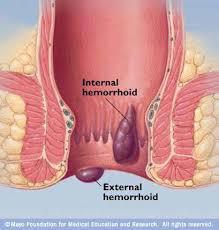
Haemorrhoids are enlarged blood vessels that develop around the anal area or inside the rectum. They can be classified into two main types:
Internal Haemorrhoids
Internal haemorrhoids develop inside the rectum. They may not always cause pain but can lead to symptoms such as bleeding during bowel movements or a feeling of incomplete bowel emptying.
External Haemorrhoids
External haemorrhoids appear under the skin around the anus. They may cause swelling, tenderness, itching, and discomfort, especially when sitting or moving.
When symptoms continue for a long time, they can affect daily activities, work performance, sleep quality, and overall confidence. This is why seeking suitable Haemorrhoids Treatment in Dubai can make a significant difference.
Common Causes of Haemorrhoids
Several factors can contribute to the development of haemorrhoids. Understanding these causes can help with prevention and better management.
Chronic Constipation
Straining during bowel movements increases pressure on the veins in the rectal area, which can contribute to swelling and irritation.
Lack of Fibre in the Diet
A diet low in fibre may lead to harder stools, making bowel movements more difficult and increasing the risk of haemorrhoids.
Long Periods of Sitting
Spending extended periods sitting can put additional pressure on the lower rectal veins.
Pregnancy
Hormonal changes and increased pressure in the pelvic area during pregnancy can increase the possibility of developing haemorrhoids.
Heavy Lifting
Frequent heavy lifting may increase abdominal pressure and contribute to vein swelling.
Signs That You May Need Haemorrhoids Treatment
Recognizing symptoms early can help you receive appropriate care before the condition worsens. Common signs include:
- Bleeding during bowel movements
- Pain or discomfort around the anal area
- Swelling near the anus
- Itching or irritation
- A lump or sensitive area around the anus
- Difficulty sitting comfortably
If these symptoms continue or become more severe, professional evaluation can help determine the most suitable treatment approach.
How Haemorrhoids Treatment in Dubai Can Improve Your Comfort
Modern treatment options focus on reducing symptoms, improving healing, and helping patients regain confidence in their daily activities.
Relief From Pain and Discomfort
One of the main benefits of treatment is reducing the discomfort associated with swelling, irritation, and painful bowel movements. Proper care can help patients feel more comfortable throughout the day.
Improved Daily Activities
Haemorrhoids can make simple activities such as sitting, walking, exercising, or working uncomfortable. Effective treatment helps reduce these limitations and supports a more active lifestyle.
Prevention of Complications
Untreated haemorrhoids may become more difficult to manage over time. Professional treatment helps address the condition early and reduces the risk of complications.
Better Digestive Health Management
Treatment often includes recommendations related to diet, hydration, and bowel habits, supporting healthier digestion and preventing future problems.
Treatment Options Available for Haemorrhoids
The suitable treatment method depends on the severity of symptoms and individual health needs.
Lifestyle and Medical Management
For mild cases, changes such as increasing fibre intake, drinking enough water, avoiding straining, and improving bowel habits may help manage symptoms.
Minimally Invasive Treatments
Advanced techniques can help reduce haemorrhoid symptoms with less discomfort and shorter recovery periods compared to traditional approaches.
Surgical Treatment Options
In cases where haemorrhoids are large, persistent, or causing significant problems, surgical procedures may be considered for effective long-term management.
A proper consultation helps determine the most appropriate option based on the patient’s condition.
Recovery and Aftercare Following Haemorrhoids Treatment
Recovery depends on the type of treatment performed and the individual healing process. Following recommended aftercare steps can support faster recovery.
Important aftercare practices may include:
- Maintaining a fibre-rich diet
- Drinking plenty of fluids
- Avoiding excessive straining
- Keeping the area clean
- Following medical guidance
- Returning gradually to normal activities
Good aftercare habits also help reduce the chances of recurrence.
Who Is an Ideal Candidate for Haemorrhoids Treatment?
Haemorrhoids treatment may be suitable for individuals experiencing:
- Persistent haemorrhoid symptoms
- Recurring discomfort or bleeding
- Difficulty performing daily activities due to symptoms
- Haemorrhoids that do not improve with home care
- Advanced cases requiring professional management
A proper assessment helps identify the most effective treatment approach.
Why Choose Professional Haemorrhoids Treatment in Dubai?
Dubai offers access to advanced healthcare facilities that focus on patient comfort, modern techniques, and effective treatment solutions. Choosing professional care ensures that haemorrhoids are properly evaluated and managed according to individual needs.
At Tajmeels Clinic, patients can explore suitable healthcare solutions with a focus on comfort, safety, and personalized attention. Professional guidance helps individuals understand their condition and choose an approach that supports better health outcomes.
Frequently Asked Questions About Haemorrhoids Treatment in Dubai
1. What causes haemorrhoids?
Haemorrhoids can develop due to constipation, prolonged sitting, pregnancy, low-fibre diets, and increased pressure on rectal veins.
2. Can haemorrhoids improve without treatment?
Mild haemorrhoids may improve with lifestyle changes, but persistent symptoms may require professional evaluation and treatment.
3. Is haemorrhoids treatment painful?
The comfort level depends on the treatment method used. Modern approaches are designed to minimize discomfort and support smoother recovery.
4. How can haemorrhoids be prevented?
Maintaining a healthy diet, drinking enough water, exercising regularly, and avoiding straining during bowel movements can help reduce risk.
5. When should I seek treatment?
You should consider professional advice if symptoms continue, worsen, or interfere with your daily activities.
Conclusion
Haemorrhoids can affect comfort, confidence, and everyday routines, but effective solutions are available to help manage symptoms and improve quality of life. Choosing Haemorrhoids Treatment in Dubai provides access to modern approaches designed for safe, comfortable, and personalized care.
Early attention to symptoms, proper diagnosis, and following recommended treatment plans can help patients achieve better results and long-term relief. Tajmeels clinic focuses on providing supportive healthcare solutions that help individuals feel more comfortable and confident while addressing haemorrhoid concerns.
