


How Healthcare Help Desk Supports Cloud-Based Healthcare Systems
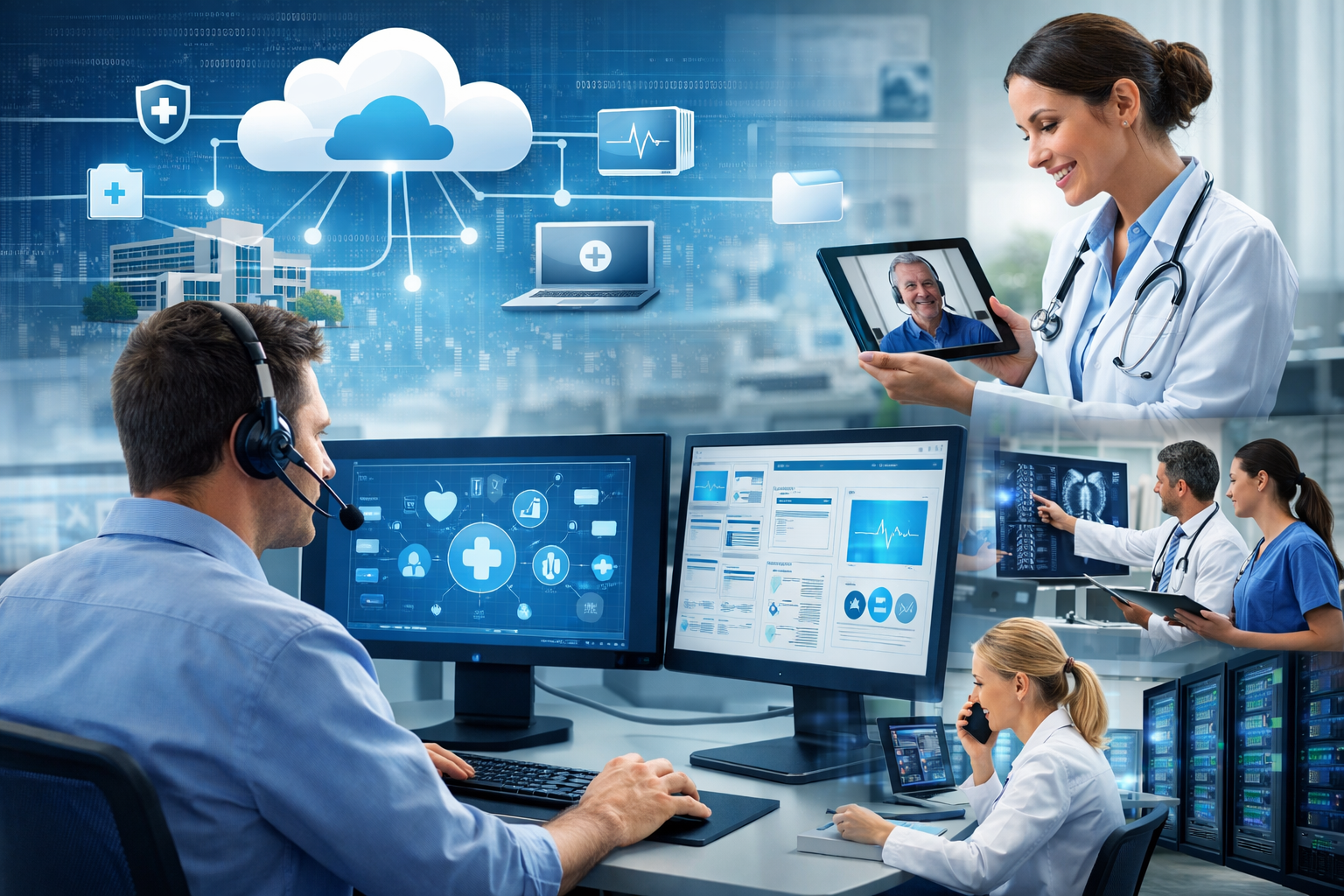
Healthcare organizations are increasingly adopting cloud-based technologies to improve efficiency, data accessibility, and patient care. Cloud-based healthcare systems allow hospitals, clinics, and medical professionals to securely access patient records, applications, and collaboration tools from virtually anywhere.
However, while cloud solutions bring flexibility and scalability, they also introduce new technical challenges. Healthcare staff depend on reliable systems to perform critical tasks such as accessing patient records, managing appointments, and coordinating care. Any technical disruption can affect operations and potentially impact patient outcomes.
This is where a healthcare help desk plays a vital role. A dedicated healthcare IT help desk ensures that cloud-based healthcare systems run smoothly by providing timely technical support, troubleshooting issues, and maintaining system reliability.
The Rise of Cloud-Based Healthcare Systems
Cloud computing has transformed the healthcare industry by enabling organizations to store and manage large volumes of medical data efficiently. Instead of relying solely on on-premise infrastructure, healthcare providers now use cloud platforms to host applications and data.
Some common cloud-based healthcare systems include:
-
Electronic Health Record (EHR) platforms
-
Telemedicine and virtual consultation tools
-
Patient management systems
-
Medical billing and administrative software
-
Cloud-based imaging and diagnostic platforms
These systems allow healthcare professionals to access important information in real time, improving collaboration and decision-making.
Challenges in Managing Cloud-Based Healthcare Systems
Although cloud technology offers many advantages, healthcare organizations often face technical challenges when implementing and maintaining these systems.
Common issues include:
-
User access and authentication problems
-
Slow application performance
-
Integration issues between systems
-
Data synchronization errors
-
Security and compliance concerns
-
Software updates and configuration errors
Without proper IT support, these issues can disrupt workflows and delay patient services.
The Role of Healthcare Help Desk in Cloud Environments
A healthcare help desk acts as the first line of support for healthcare professionals using cloud-based systems. It ensures that technical issues are resolved quickly so that medical staff can focus on patient care rather than IT problems.
1. User Support and Access Management
Healthcare professionals frequently need assistance accessing cloud-based applications and systems. Login failures, permission issues, and password resets are among the most common support requests.
Healthcare help desk teams manage user accounts and permissions, ensuring that staff members can securely access the systems they need while maintaining strict security controls.
2. Troubleshooting Cloud Application Issues
When cloud applications experience errors or performance issues, help desk technicians investigate the problem and identify the root cause.
They work with system administrators and cloud providers to resolve issues related to:
-
Application crashes
-
Slow system response
-
Integration failures
-
Configuration errors
Quick troubleshooting helps minimize downtime and keeps healthcare operations running smoothly.
3. Supporting Electronic Health Record (EHR) Systems
Electronic Health Record systems are central to modern healthcare operations. Medical staff rely on EHR platforms to access patient information, update medical histories, and coordinate care.
Healthcare help desk teams assist users with EHR-related problems, including system navigation, data entry errors, and technical glitches. Their support ensures that healthcare professionals can access critical patient data without delays.
4. Ensuring Data Security and Compliance
Healthcare organizations must follow strict regulations to protect patient information. Data privacy and security are essential components of any cloud-based healthcare system.
Healthcare help desk teams help maintain compliance by:
-
Monitoring access permissions
-
Assisting with security updates and patches
-
Reporting suspicious activities
-
Educating staff on cybersecurity best practices
By supporting secure system usage, the help desk support helps reduce the risk of data breaches and compliance violations.
5. Managing System Updates and Maintenance
Cloud-based healthcare platforms require regular updates to improve performance, security, and functionality. These updates can sometimes cause compatibility issues or temporary disruptions.
Healthcare help desk teams coordinate with IT departments and vendors to manage updates smoothly. They also assist users during transitions and provide guidance when new features are introduced.
6. Supporting Remote and Mobile Healthcare Access
With the growth of telemedicine and mobile healthcare applications, many healthcare professionals access cloud systems from different locations and devices.
A healthcare help desk provides remote technical support to ensure that doctors, nurses, and administrative staff can securely connect to systems from clinics, hospitals, or home offices.
This support is particularly important for telehealth services, where technical issues could interrupt virtual consultations with patients.
Benefits of Healthcare Help Desk for Cloud Systems
Implementing a dedicated healthcare help desk provides several benefits for organizations using cloud-based systems:
-
Faster resolution of technical issues
-
Reduced system downtime
-
Improved staff productivity
-
Enhanced data security and compliance
-
Better user experience for healthcare professionals
These benefits ultimately contribute to improved operational efficiency and better patient care.
Best Practices for Effective Healthcare Help Desk Support
To maximize the effectiveness of healthcare help desk services, organizations should consider the following practices:
-
Provide specialized training for healthcare IT support staff
-
Implement efficient ticketing and monitoring systems
-
Maintain strong collaboration with cloud service providers
-
Establish clear service level agreements (SLAs)
-
Continuously educate healthcare staff on system usage and security
Following these best practices helps ensure reliable and responsive support for cloud-based healthcare systems.
Conclusion
Cloud-based technologies are revolutionizing healthcare by enabling faster access to information, improved collaboration, and more efficient patient care. However, maintaining these systems requires reliable technical support to address issues quickly and securely.
Healthcare help desk services play a crucial role in supporting cloud-based healthcare environments. By providing user assistance, troubleshooting system issues, ensuring security compliance, and maintaining system performance, help desk teams help healthcare organizations maximize the benefits of cloud technology.
As healthcare continues to evolve digitally, the importance of a well-structured healthcare help desk will only continue to grow.

 Bangla