


What Questions Should You Ask Before Choosing Keloid Treatment?
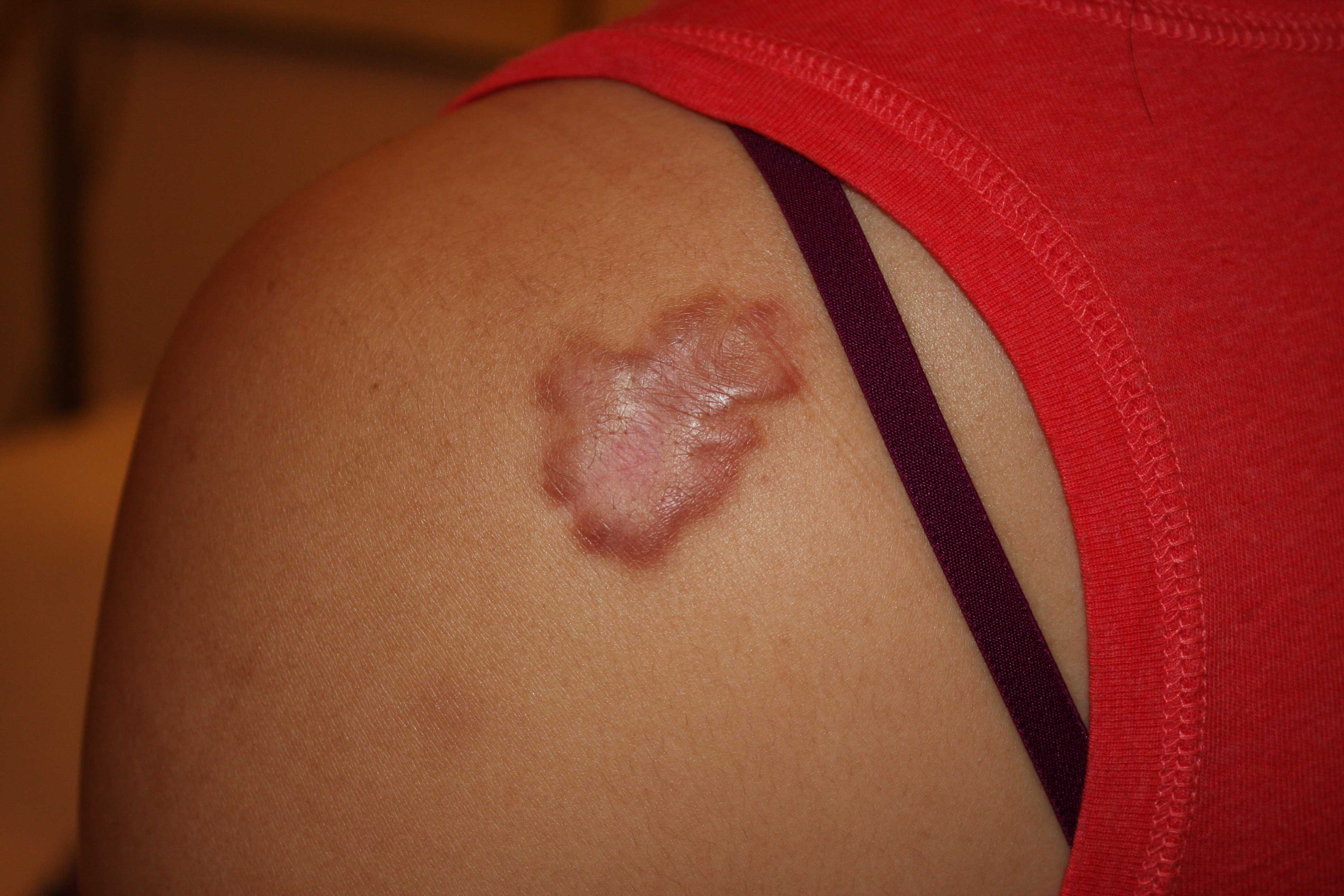
Choosing the right Keloid Treatment in Dubai starts with understanding your scar, your treatment options, and what you can realistically expect from the process. Since keloids can vary in size, location, thickness, and appearance, the most suitable approach may differ from one person to another. Asking the right questions during your consultation can help you make an informed decision and feel more confident about your treatment plan.
Is the Growth Definitely a Keloid?
One of the first questions to ask is whether the raised scar is actually a keloid. Although keloids are often confused with hypertrophic scars, the two conditions are not identical. A keloid can extend beyond the original wound, while a hypertrophic scar usually remains within the boundaries of the injury.
Therefore, an accurate assessment is important before selecting any treatment. The appearance, texture, growth pattern, and history of the scar can all help with identification. In some cases, the location of the scar and how long it has been present may also influence the assessment. Understanding exactly what you are dealing with can prevent you from choosing an unsuitable treatment approach.
What Treatment Options Are Suitable for My Keloid?
Another important question is which options may be appropriate for your specific scar. Depending on its characteristics, treatment may involve corticosteroid injections, silicone-based products, cryotherapy, laser-based procedures, surgical removal, or a combination of approaches.
However, not every method is suitable for every person. For instance, a small, recently developed keloid may be managed differently from a large, long-standing scar. Similarly, scars located on the ear, chest, shoulders, or other areas may respond differently to treatment.
When discussing Keloid Treatment , ask why a particular method has been recommended and whether alternative approaches are available. This conversation can help you understand the reasoning behind your treatment plan rather than simply choosing an option based on popularity.
How Many Treatment Sessions Might I Need?
Keloid management is often not a one-time process. Depending on the chosen approach, several sessions may be recommended to improve the scar's appearance and reduce its thickness. The number of sessions can vary according to the size, age, and behaviour of the keloid.
Instead of expecting a fixed timeline, ask how your progress will be monitored and when improvements may become noticeable. Some treatments may require multiple appointments spaced over several weeks or months. Furthermore, the treatment plan may be adjusted if the scar responds differently than expected.
What Results Can I Realistically Expect?
It is important to have realistic expectations before starting treatment. The goal may be to flatten the keloid, reduce redness, soften the texture, relieve itching or discomfort, or make the scar less noticeable. However, complete removal may not always be possible.
Therefore, ask what type of improvement is realistic in your situation. You may also want to discuss how long results are expected to last and whether the scar could change again over time. Having a clear understanding of possible outcomes can help you approach the process with realistic expectations.
Is There a Risk of the Keloid Coming Back?
Keloids have a tendency to recur, particularly after certain treatments. For this reason, recurrence should be an important part of your consultation.
Ask what factors may increase the likelihood of the keloid returning and what can be done to reduce that risk. If surgery is being considered, for example, you may wish to ask whether additional treatments are recommended afterward. Depending on your individual circumstances, a combined treatment strategy may sometimes be considered to help manage recurrence.
What Are the Possible Side Effects?
Every treatment has potential benefits as well as possible risks. Before proceeding, ask about the side effects associated with the recommended approach and how they may affect your skin.
Depending on the treatment, possible concerns may include temporary redness, swelling, skin colour changes, irritation, discomfort, or changes in skin texture. Some procedures may also require specific aftercare to support healing.
Being aware of potential side effects allows you to make a more informed decision. It also gives you an opportunity to ask how any unwanted reactions would be managed if they occur.
Will the Treatment Be Suitable for My Skin Type?
Skin type and pigmentation can be important considerations when choosing a scar treatment. Certain procedures may carry a higher risk of temporary or lasting pigmentation changes in some individuals.
Consequently, ask whether the recommended treatment is appropriate for your skin type and whether any precautions are needed. If you have previously experienced unusual scarring or skin reactions, mention this during your consultation so that the treatment plan can be considered accordingly.
What Should I Do Before and After Treatment?
Good preparation and aftercare can play an important role in the overall treatment experience. Before your appointment, ask whether you need to avoid particular skincare products, medications, sun exposure, or activities.
After treatment, you may need to follow specific instructions regarding wound care, skincare, physical activity, or sun protection. You should also ask when you can return to your usual routine and what signs may indicate that you need further professional advice.
Following aftercare instructions carefully can support the healing process and help protect the treated area from unnecessary irritation.
How Will My Progress Be Monitored?
Keloid treatment often requires ongoing observation. Ask how your progress will be assessed and how frequently follow-up appointments may be recommended.
During follow-up visits, changes in the scar's size, thickness, colour, texture, and symptoms can be evaluated. If the keloid is not responding as expected, the treatment strategy may need to be modified. This makes regular monitoring an important part of long-term scar management.
What Happens If the First Treatment Does Not Work?
Although many people experience improvement, individual responses can vary. Therefore, it is sensible to ask what the next step would be if the initial treatment does not produce the desired results.
Depending on your situation, an alternative treatment or combination approach may be considered. Asking about this in advance helps you understand that treatment can sometimes be a process involving adjustments rather than a single procedure.
What Should You Consider Before Making Your Decision?
Before choosing a treatment plan, consider the information you receive during your consultation and whether you feel your concerns have been properly addressed. A good discussion should leave you with a clear understanding of the proposed approach, expected results, potential risks, aftercare, and follow-up process.
You may find it helpful to prepare a short list of questions before your appointment, including:
- What type of scar do I have?
- Which treatment is most suitable for my case?
- Why is this option being recommended?
- How many sessions might I need?
- What results can I realistically expect?
- Could the keloid return?
- What side effects should I know about?
- What aftercare will be required?
- How will my progress be monitored?
- What alternatives are available if the first approach is unsuccessful?
Make an Informed Choice About Keloid Care
Selecting the right treatment begins with asking questions and understanding your individual circumstances. Because keloids can behave differently from person to person, there is no single approach that is ideal for everyone. A thorough consultation can help you explore suitable options, understand the potential benefits and limitations, and prepare for the treatment journey.
Ultimately, taking time to discuss your concerns and expectations can make the decision-making process clearer. If you are considering treatment in Dubai, Dynamic Clinic can be part of your research as you explore professional options for managing the appearance and symptoms associated with keloid scars.

 Bangla