


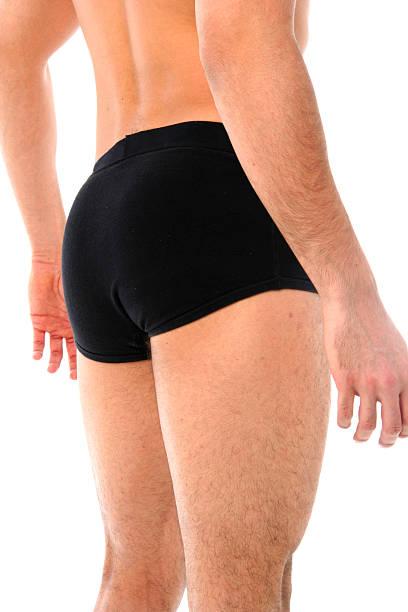
For many men, the battle to achieve a leaner, more athletic lower body can feel like an uphill struggle. Despite consistent effort, stubborn fat in the gluteal area often seems resistant to change. How to Lose Butt Fat for Men? The key to lasting results lies not in extreme measures or fleeting fads, but in shifting your perspective from short-term "dieting" to a sustainable lifestyle transformation. This guide provides a blueprint for building healthy habits that target stubborn fat and create permanent change.
Why Diet and Exercise Alone Aren't Enough
The journey to losing body fat often begins and ends with the mantra "calories in, calories out." While creating a calorie deficit is the cornerstone of fat loss, treating it as the only factor overlooks crucial elements for long-term success. Sustainable change requires a holistic view that encompasses nutrition, movement, recovery, and mindset . The goal is to cultivate habits you can maintain for life, not just a few weeks of extreme restriction. This means abandoning the idea of a temporary "diet" in favor of a permanent, healthier way of living.
Building Your Foundation: Nutrition and Movement
Rethinking Your Relationship with Food
The journey to a leaner physique starts in the kitchen. The goal is to shift your perspective from fearing food to using it as a tool to fuel your body and achieve your goals . This means prioritizing nutrient density. Focus on filling your plate with lean proteins, colorful vegetables, whole grains, and healthy fats, while minimizing ultra-processed convenience foods and sugary drinks that promote weight gain .
Two specific nutrients are your most powerful allies: protein and fiber. Protein helps you feel full, has a high thermic effect, and is essential for preserving and building muscle mass as you lose fat . A good target is 1.6–2.2 grams of protein per kilogram of body weight . Fiber, found in plants, slows digestion to keep you satisfied, stabilizes blood sugar, and supports gut health. Men should aim for about 38 grams of fiber daily .
Moving Your Body Strategically
Exercise is the other half of the equation, but it doesn't have to mean punishing cardio sessions. For lasting change, you need to move your body strategically. A powerful concept is body recomposition, which means losing fat and gaining muscle simultaneously . This is where strength training comes into play.
As compound movements like squats, deadlifts, and lunges are excellent for building muscle and boosting metabolism, they should form the core of your workout plan . More muscle means you burn more calories, even at rest. To keep things interesting, incorporate a variety of activities you enjoy, such as swimming, playing sports, or High-Intensity Interval Training (HIIT), to burn calories and improve cardiovascular health .
The Often-Overlooked Habits
While diet and exercise are the headline acts, several supporting habits are critical for sustainable weight loss.
Prioritizing Sleep and Managing Stress
Neglecting sleep is a fast track to sabotaging your progress. When you're sleep-deprived, your body produces more ghrelin (the hunger hormone) and less leptin (the satiety hormone), making you feel hungrier and less satisfied after eating . Chronic sleep loss also keeps cortisol elevated, a stress hormone that can promote fat storage, particularly in the midsection and butt . Aim for 7-9 hours of quality sleep per night and practice stress-management techniques like meditation or deep breathing to keep cortisol in check .
Hydrating and Building a Support System
Water is essential for almost every bodily function, including metabolism, nutrient transport, and healthy digestion . Staying well-hydrated can help prevent overeating, as thirst is often mistaken for hunger. A good habit is to keep a reusable water bottle with you throughout the day .
Finally, don't underestimate the power of social support. Weight loss is a personal journey, but it doesn't have to be a lonely one. Having a support system can dramatically increase your chances of long-term success. Consider working out with a friend, joining a fitness class, or simply finding a community to share your progress and challenges with .
When Lifestyle Changes Hit a Plateau
Sometimes, even the most consistent diet and exercise plan can hit a wall. For men who are near their ideal body weight but still have stubborn, localized fat deposits, advanced aesthetic interventions can provide a solution.
Non-Surgical Options
Technologies like CoolSculpting (cryolipolysis) and laser/radiofrequency treatments (like SculpSure) can heat or freeze fat cells beneath the skin, causing them to die off and be naturally eliminated by the body over time . These are ideal for mild, pinchable fat rolls, with results typically appearing over 2-3 months .
Surgical Options and Injectable Treatments
For permanent, large-volume removal, surgical liposuction can be effective in creating a more square, masculine gluteal contour . In some cases, it can be combined with skin-tightening procedures . Additionally, minimally invasive injectable treatments exist. A combined approach using a fat-reducing agent (like Phosphatidylcholine and Deoxycholic Acid) alongside hyaluronic acid fillers can help contour the gluteal area, helping to achieve a more defined aesthetic .
For those seeking expert guidance and customized aesthetic care, you can book an appointment consultation at the Enfield Royal Clinic.
Frequently Asked Questions
How important is sleep for losing lower-body fat?
Extremely important. Poor sleep increases cortisol (a stress hormone), which can lead to increased fat storage, especially in the stomach and butt area .
Can I actually target fat loss on my butt?
No, spot reduction is a myth. You must lower overall body fat through a calorie deficit, and your genetics decide where it comes from first .
What is the greatest exercise for losing buttock fat?
To develop muscle and enhance metabolism, mix heavy compound movements like squats and deadlifts with high-intensity interval training .
What is the most important habit for sustainable weight loss?
Building a healthy relationship with food and adopting a nutrient-dense diet that you can maintain long-term, rather than following a restrictive fad diet, is key .
How do I stay motivated when I don't see immediate results?
Create SMART goals (Specific, Measurable, Attainable, Relevant, Time-bound) and focus on non-scale victories like feeling stronger, clothes fitting better, and having more energy .

 Bangla