


Sweden Tire Industry: Key Developments Shaping Demand and Innovation
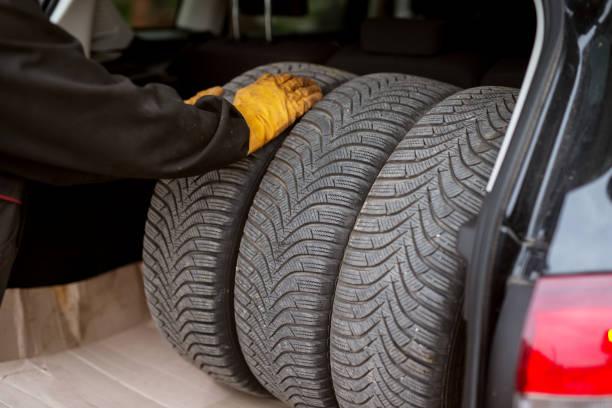
Sweden's tire industry is evolving alongside the country's commitment to sustainable mobility, road safety, and advanced automotive technologies. As one of Europe's leading adopters of electric vehicles (EVs) and environmentally conscious transportation solutions, Sweden presents a unique landscape for tire manufacturers and suppliers. Demand is influenced not only by new vehicle registrations but also by seasonal weather conditions, replacement cycles, digital retail channels, and innovations in tire performance.
According to a study published by MarkNtel Advisors, Sweden's tire industry is supported by rising demand for premium replacement tires, increasing adoption of EV-compatible products, and technological advancements that improve safety, durability, and fuel efficiency. The research highlights how changing consumer preferences and evolving mobility trends continue to reshape purchasing decisions across passenger and commercial vehicle segments.
Modern consumers are paying greater attention to tire quality, performance, and long-term value rather than simply choosing products based on price. This shift has encouraged manufacturers to introduce advanced tire designs capable of delivering better grip, lower rolling resistance, and longer service life while meeting Sweden's demanding road conditions.
Seasonal Climate Continues to Influence Tire Demand
Sweden experiences significant seasonal variations, with cold winters, snowfall, and icy roads making seasonal tire selection an essential aspect of vehicle ownership. Many motorists switch between winter and summer tires to maintain optimal safety and driving performance throughout the year.
Winter tires remain particularly important because they provide superior traction and braking performance under low-temperature conditions. During warmer months, summer tires improve handling, fuel efficiency, and road grip. Meanwhile, all-season tires continue to attract drivers seeking convenience, although seasonal tires remain the preferred option for many Swedish motorists due to the country's diverse climate.
The European Union's tyre labelling system has also improved consumer awareness by helping buyers compare tires based on rolling resistance, wet grip, and external noise performance.
Electric Vehicles Are Creating New Opportunities
Sweden has become one of Europe's fastest-growing electric vehicle markets, creating fresh opportunities for tire manufacturers. Electric vehicles place different demands on tires because of their higher torque, heavier battery packs, and emphasis on energy efficiency.
Manufacturers are therefore developing specialized EV tires that reduce rolling resistance, improve durability, minimize road noise, and enhance driving comfort without compromising safety. These products help maximize vehicle range while supporting sustainable transportation objectives.
As vehicle electrification accelerates, tire technology is expected to continue evolving to address the unique performance characteristics of battery-electric and hybrid vehicles.
Replacement Demand Remains a Key Industry Driver
Unlike original equipment tires installed during vehicle manufacturing, replacement tires generate recurring demand throughout a vehicle's operational life. Swedish drivers frequently replace tires based on mileage, seasonal changes, wear patterns, and safety considerations.
Increasing consumer awareness regarding preventive vehicle maintenance has encouraged more timely tire replacement. Drivers increasingly understand that properly maintained tires contribute to shorter braking distances, improved fuel economy, reduced emissions, and enhanced driving comfort.
According to insights presented by MarkNtel Advisors, replacement demand continues to support steady activity across the industry as every vehicle eventually requires new tires regardless of fluctuations in new vehicle sales.
Sustainability Is Becoming Central to Tire Manufacturing
Environmental sustainability has become one of the defining characteristics of Sweden's automotive ecosystem. Tire manufacturers are responding by investing in recycled materials, renewable raw materials, lower-emission manufacturing processes, and technologies that improve fuel efficiency through reduced rolling resistance.
The circular economy is also influencing tire production and disposal practices. Tire recycling, retreading, and responsible end-of-life management are receiving increased attention from manufacturers, governments, and consumers seeking to reduce environmental impact while maximizing resource efficiency.
These initiatives align with broader European sustainability objectives aimed at reducing waste and supporting greener transportation.
Commercial Transport Continues to Support Tire Consumption
Sweden's logistics, construction, mining, forestry, and public transportation sectors depend heavily on reliable commercial vehicles operating under demanding conditions. Trucks, buses, and heavy equipment require durable tires capable of handling long distances, changing weather conditions, and substantial loads.
Fleet operators increasingly evaluate tires based on total operating costs rather than initial purchase price. Factors including durability, fuel efficiency, retreadability, maintenance intervals, and lifecycle performance have become important purchasing criteria.
Digital tire monitoring technologies, including Tire Pressure Monitoring Systems (TPMS) and predictive maintenance software, are helping fleet operators reduce downtime while extending tire lifespan.
Digital Retail Is Changing Consumer Buying Behaviour
The purchasing journey for tires has changed significantly as Swedish consumers increasingly research products online before making purchasing decisions. E-commerce platforms now provide detailed specifications, independent reviews, seasonal recommendations, and comparison tools that simplify product selection.
Many retailers have integrated online purchasing with installation booking services, allowing customers to schedule tire fitting appointments conveniently. This combination of digital shopping and professional installation has improved customer experience while expanding sales opportunities for tire distributors.
Digital platforms also provide greater transparency regarding product performance, helping consumers make informed purchasing decisions based on safety ratings and long-term value.
Innovation Continues to Improve Tire Performance
Research and development remain central to the industry's future. Manufacturers continue investing in advanced rubber compounds, optimized tread patterns, intelligent sensor technologies, and quieter tire designs that enhance both safety and efficiency.
The growing popularity of connected vehicles is encouraging the development of smart tires capable of monitoring pressure, temperature, and wear in real time. These technologies improve maintenance planning while helping drivers maintain optimal vehicle performance.
Manufacturers are also focusing on products designed specifically for electric vehicles, autonomous driving systems, and increasingly stringent environmental standards, ensuring that innovation remains a defining characteristic of Sweden's tire industry.
Outlook
Sweden's tire industry is expected to remain closely connected with developments in sustainable mobility, electric vehicle adoption, seasonal driving requirements, and technological innovation. Replacement demand, environmentally responsible manufacturing, digital retail expansion, and smart tire technologies will continue influencing purchasing decisions across both passenger and commercial vehicle segments.
As highlighted by MarkNtel Advisors, manufacturers that successfully combine safety, durability, sustainability, and advanced performance are likely to remain well positioned as Sweden's transportation landscape continues to evolve.

 Bangla