


Mommy Makeover Dubai: Restoring Balance and Vitality Post-Pregnancy
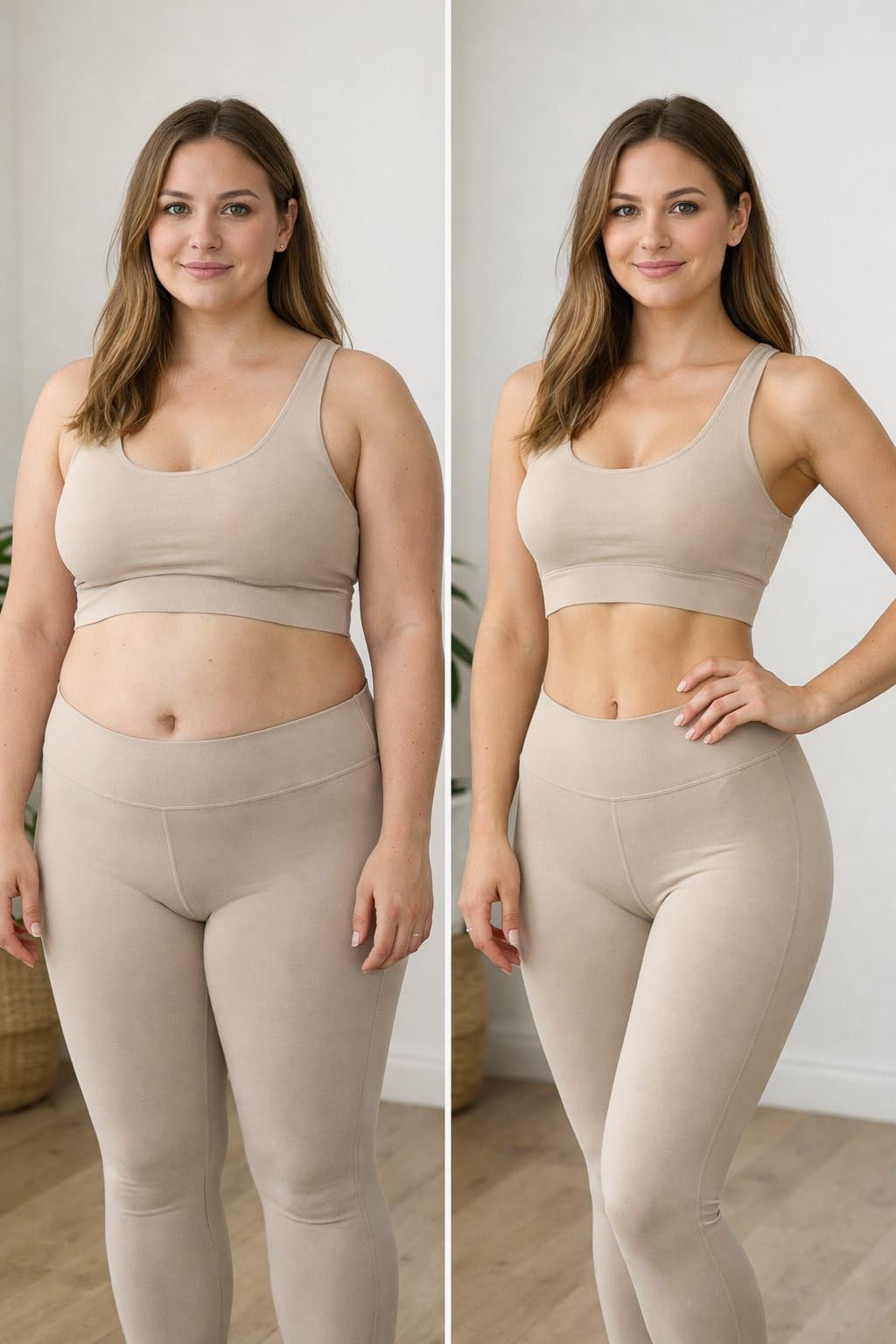
The physical journey of childbearing often leaves lasting structural changes that standard fitness routines and clean eating simply cannot correct. From separated abdominal walls to deflated breast tissues, these lingering postpartum changes can affect your physical comfort and daily confidence.
Choosing a Mommy Makeover Dubai offers a comprehensive surgical pathway designed to rejuvenate your entire physique in a single, coordinated operation.
Understanding Postpartum Anatomical Alterations
The Mechanical Strain on Core Muscles
During gestation, the growing uterus exerts continuous outward pressure on the anterior abdominal wall. This significant stretching frequently exceeds the natural elasticity of the connective tissue, causing the paired rectus abdominis muscles to pull apart.
Because traditional core workouts cannot bridge this separated gap, surgical intervention is often required to reestablish internal trunk support and flatten the midsection profile.
The Clinical Value of Combined Procedures
Rather than undergoing multiple isolated surgeries over several years, combining treatments into one session offers profound advantages. Addressing both the midsection and the chest simultaneously reduces total anesthesia exposure and consolidates the healing timeline.
Current evidence suggests that a synchronized surgical strategy allows specialists to evaluate proportional balance more effectively, ensuring harmonious and symmetrical results.
Core Pillars of the Surgical Plan
Reconstructing the Abdomens
The foundation of the procedure is a specialized abdominoplasty designed to excise redundant lower skin and reinforce weakened internal support structures. By suturing the separated abdominal fascia back to the midline, the surgeon creates a firm internal corset that supports the spine.
Furthermore, this technique eliminates hanging skin folds that frequently cause friction and irritation during daily physical movements.
Revitalizing Chest Contours
Pregnancy hormones and subsequent breastfeeding stretch the Cooper’s ligaments, often resulting in upper pole deflation, sagging, and lost projection. Depending on individual anatomical assessments, a specialist may recommend a breast lift, an implant procedure, or a combination of both to restore youthful fullness.
Customizing this step ensures that the chest regains natural symmetry and balanced proportions with the newly sculpted waist.
Determining Personal Eligibility
Assessing Readiness for Surgery
Ideal candidates are generally healthy women who have completed their family planning and maintain a stable, weight-appropriate lifestyle. Because future pregnancies will stretch the newly repaired muscles and skin once again, waiting until childbearing is finished is essential for preserving long-term outcomes.
Additionally, non-smokers who are free from uncontrolled systemic conditions achieve the safest surgical trajectories and most predictable healing milestones.
Comprehensive Preoperative Medical Screenings
Before booking the operating theater, patients undergo thorough physical examinations, blood panels, and cardiac evaluations to confirm fitness for general anesthesia. Specialists evaluate skin elasticity, fat distribution, and the exact degree of muscle separation to design a tailored surgical blueprint.
This rigorous vetting process prioritizes patient safety above all else, ensuring that expectations align realistically with achievable anatomical endpoints.
Surgical Execution and Anesthesia Protocols
| Operative Phase | Primary Clinical Objective | Estimated Duration |
| Preparation | Anesthesia induction and sterile skin mapping | 45 to 60 minutes |
| Midsection Repair | Muscle tightening, hernia check, and skin excision | 2 to 3 hours |
| Chest Sculpting | Mastopexy, reduction, or implant placement | 1.5 to 2.5 hours |
| Wound Closure | Layered suturing and drainage placement | 30 to 45 minutes |
Strategic Incision Placement
Surgeons carefully position incisions within natural skin creases or below the standard bikini line to ensure that future scarring remains discreetly hidden. By utilizing tension-reducing deep sutures, the risk of wide scar stretching is minimized.
Advanced tissue-handling techniques preserve delicate blood vessels supplying the skin flaps, promoting clean and predictable wound healing.
Navigating the Recovery Process
Managing the Initial Healing Days
The early postoperative period requires dedicated rest, assistance with routine daily tasks, and frequent short walks to encourage healthy blood circulation. Mild swelling, bruising, and temporary tightness are normal physiological responses as the body initiates its healing cascade.
What patients typically report during recovery is a reassuring sensation of deep abdominal firmness, which gradually eases as tissues adapt to their new contours.
Returning to Daily Life and Work
Most individuals require two to three weeks away from professional duties and heavy household responsibilities to focus entirely on recovery. Compression garments must be worn continuously to minimize fluid buildup and support the reshaping tissues.
Strenuous physical activity and heavy lifting must be postponed for at least six to eight weeks to protect internal muscle repairs from premature strain.
Preserving Long-Term Outcomes
Lifestyle Foundations for Lasting Contours
While surgical intervention provides a permanent structural reset, maintaining your new silhouette requires a lifelong commitment to balanced nutrition and regular physical activity. Significant weight fluctuations can stretch remaining skin cells and alter sculpted body lines, making healthy habits vital.
Incorporating low-impact core stabilization exercises once cleared by your medical team helps preserve the strength and tone of the repaired abdominal wall.
Patience Throughout the Healing Curve
Internal and external swelling subsides gradually, with the final refined silhouette often taking up to six months to fully materialize. Attending all scheduled follow-up visits allows your medical team to monitor progress and offer personalized skincare guidance.
Embracing this gradual transition fosters enduring satisfaction and confidence.
Frequently Asked Questions
-
Can I undergo this surgery if I plan to have more children?
Medical professionals strongly recommend postponing surgery until you are finished having children. Subsequent pregnancies will stretch the repaired abdominal muscles and skin, reversing the benefits of the initial procedure.
-
Are the surgical scars permanent?
Yes, all surgical incisions leave marks, but specialists position them discreetly along natural creases or below underwear lines. Over time, these marks typically fade significantly in color and texture.
-
When is it safe to resume driving?
You can usually return to driving once you are completely off prescription pain medications and can comfortably perform sudden braking maneuvers, typically around two to three weeks post-surgery.
-
Will liposuction be included to refine my flanks?
Liposuction is frequently integrated into the treatment plan to contour adjacent areas like the waist and hips, creating a seamless and balanced transition across the entire torso.
Conclusion
Deciding to pursue post-pregnancy body contouring is a meaningful step toward reclaiming your physical comfort and personal self-assurance. By merging advanced surgical techniques with individualized clinical care, modern medicine offers a reliable pathway to restore pre-baby contours safely.
In our clinical experience, thorough preparation and open dialogue with your medical team lay the foundation for a smooth recovery and lasting satisfaction. We encourage you to schedule a consultation with a qualified medical professional to discuss your unique goals and explore a tailored treatment plan.

 Bangla