


Why Digital Permit to Work Systems Are Replacing Paper Based Safety Processes
Why Digital Permit to Work Systems Are Replacing Paper Based Safety Processes
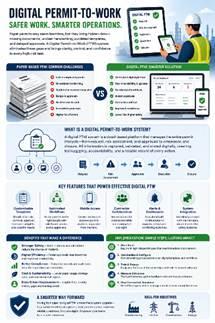
In many workplaces, paperwork has long been accepted as a necessary part of managing hazardous activities. Paper permits, handwritten approvals, and printed checklists have traditionally been used to control high risk work, but these familiar methods often introduce hidden challenges. A missing form, unclear handwriting, an outdated template, or a delayed approval can create uncertainty at the very moment when clear communication is essential. While these issues may seem minor individually, they can collectively weaken safety management and slow down critical operations.
Many organizations continue to rely on paper based Permit to Work (PTW) systems because they are familiar and deeply embedded in daily operations. However, these manual processes require constant coordination between departments, depend heavily on physical documents, and often become difficult to manage as operations grow more complex. They can also create unnecessary obstacles during audits and compliance reviews, where accurate documentation and complete records are essential.
A digital Permit to Work system provides a structured alternative that replaces manual paperwork with a centralized digital process. Instead of relying on printed forms and handwritten approvals, every stage of the permit lifecycle is managed within a connected platform. This approach improves consistency, increases accountability, and gives organizations greater visibility into high risk work activities. For industries such as construction, manufacturing, utilities, and energy, adopting a digital PTW solution represents a practical step toward safer operations and improved operational performance.
Understanding the Digital Permit to Work Process
A digital Permit to Work system is much more than converting paper documents into electronic files. It creates a unified environment where hazardous work can be planned, reviewed, approved, monitored, and completed through a single cloud based platform. Activities such as confined space entry, hot work, excavation, electrical maintenance, and working at height can all be managed through standardized digital workflows.
The entire permit journey begins with the initial request and continues through risk assessments, approvals, permit extensions when required, and final closure. Every action is completed within the system, eliminating the need to physically move paperwork between teams or departments.
Important information including hazard assessments, supporting documentation, safety controls, and approval records is entered directly into the platform. Electronic authorization replaces handwritten signatures, while built in validation ensures that every required step has been completed before a permit can move forward. At the same time, every modification is automatically recorded, creating a detailed history of actions that simplifies future reviews and improves traceability. This standardized process helps maintain consistency across different sites while reducing errors that commonly occur in manual systems.
Benefits That Extend Beyond Eliminating Paper
Reducing paper usage is often the most noticeable outcome of digital transformation, but the overall benefits reach much further. Traditional permit processes frequently require workers and supervisors to travel between locations simply to obtain approvals or verify permit status. These manual activities consume valuable time and can delay important work.
Digital access removes these unnecessary steps by making permit information immediately available to authorized personnel. Supervisors can review requests without waiting for physical documents, and approvals can be completed more quickly, allowing work to progress without unnecessary interruptions.
Paper based systems are also vulnerable to incomplete forms, damaged paperwork, and outdated templates that continue circulating after revisions have been made. Digital PTW platforms minimize these issues by requiring mandatory fields to be completed before submission and ensuring that users always work from approved templates. This structured approach reduces repetitive administrative work while improving the overall quality and consistency of permit documentation.
Another significant advantage is the integration of safety controls throughout the permit process. By embedding required checks directly into digital workflows, organizations encourage consistent compliance with established procedures, helping protect employees, operations, and the surrounding environment while supporting long term sustainability initiatives.
Essential Features of an Effective Digital PTW System
To deliver meaningful results, a digital Permit to Work platform must be designed specifically for managing hazardous work activities. Customizable permit templates allow organizations to standardize hazards, risk controls, approval levels, and operating procedures while remaining flexible enough to meet site specific requirements.
Critical safety activities including job safety reviews, isolation verification, toolbox talks, inspection requirements, and final confirmation checks can be incorporated directly into each workflow. This structured approach ensures that important safety measures become part of the permit process rather than separate manual tasks.
Automated approval routing further improves efficiency by directing permits to the appropriate individuals based on defined roles and responsibilities. Electronic approval records provide a clear audit trail while maintaining accountability throughout the organization.
Mobile accessibility allows supervisors, workers, and contractors to manage permits directly from the field without returning to an office. Supporting evidence can be captured immediately, tasks can be completed on site, and permit status remains continuously updated. Secure contractor access also enables external personnel to participate in permit activities while maintaining appropriate oversight and control.
Dashboards and automated notifications provide additional visibility by highlighting expiring permits, workflow delays, or conflicting activities before they develop into larger operational concerns. Integration with maintenance, inspection, and incident management systems further strengthens overall risk management across the organization.
Creating Safer Work Through Structured Digital Workflows
Manual permit systems often depend on informal communication and individual follow up, increasing the possibility that important steps may be overlooked. Digital PTW systems replace this uncertainty with standardized workflows that guide users through every required stage.
Mandatory fields help ensure that essential information is never omitted, while automated validation confirms that inspections, prerequisite tasks, and required safety measures have been completed before approvals are granted. Some platforms can also identify overlapping high risk activities occurring within the same work area, helping organizations reduce the likelihood of hazardous conflicts.
Improved visibility benefits everyone involved in the permit process. Supervisors gain immediate insight into permit progress and operational delays, workers receive clear instructions supported by standardized procedures, and safety teams have access to reliable information that supports ongoing process improvements. Instead of focusing on managing paperwork, organizations can devote more attention to strengthening workplace safety.
Supporting Operational Excellence Through Digital Permit Management
The advantages of digital Permit to Work systems extend beyond safety performance. Faster approval cycles reduce operational delays, while lower printing, storage, and document management requirements help improve overall efficiency. Managing permits across multiple facilities also becomes more consistent through standardized templates and centralized oversight.
The structured data generated by digital workflows provides valuable insights that support employee training, performance monitoring, and continuous improvement initiatives. Organizations can evaluate trends, identify recurring issues, and refine procedures using accurate operational information collected throughout the permit lifecycle.
Successful implementation often begins by digitizing the highest risk permit categories before gradually expanding across additional work activities. Converting existing procedures into standardized digital templates, providing focused user training, and monitoring key performance indicators all contribute to smoother adoption and long term success. Even in remote work environments, offline capabilities help maintain uninterrupted permit management until connectivity is restored.
Replacing paper based Permit to Work processes with a digital solution is more than a technology upgrade it is a practical improvement in the way hazardous work is managed. By reducing manual errors, strengthening compliance, increasing operational efficiency, and promoting consistent safety practices, digital PTW systems help organizations build more reliable and effective operations. As workplaces continue to evolve, adopting a digital Permit to Work approach provides a strong foundation for safer work environments and better long term performance.
Book a free demo @ https://toolkitx.com/blogsdetails.aspx?title=Sustainable-permit-to-work-(PTW):-go-paperless-and-keep-safety-tight
Browse More
https://toolkitx.com/blogsdetails.aspx?title=job-hazard-analysis-vs-task-risk-assessment
https://toolkitx.com/blogsdetails.aspx?title=hse-incident-reporting
https://toolkitx.com/blogsdetails.aspx?title=health-and-safety-in-manufacturing
https://toolkitx.com/blogsdetails.aspx?title=what-is-process-safety-management

 Bangla