

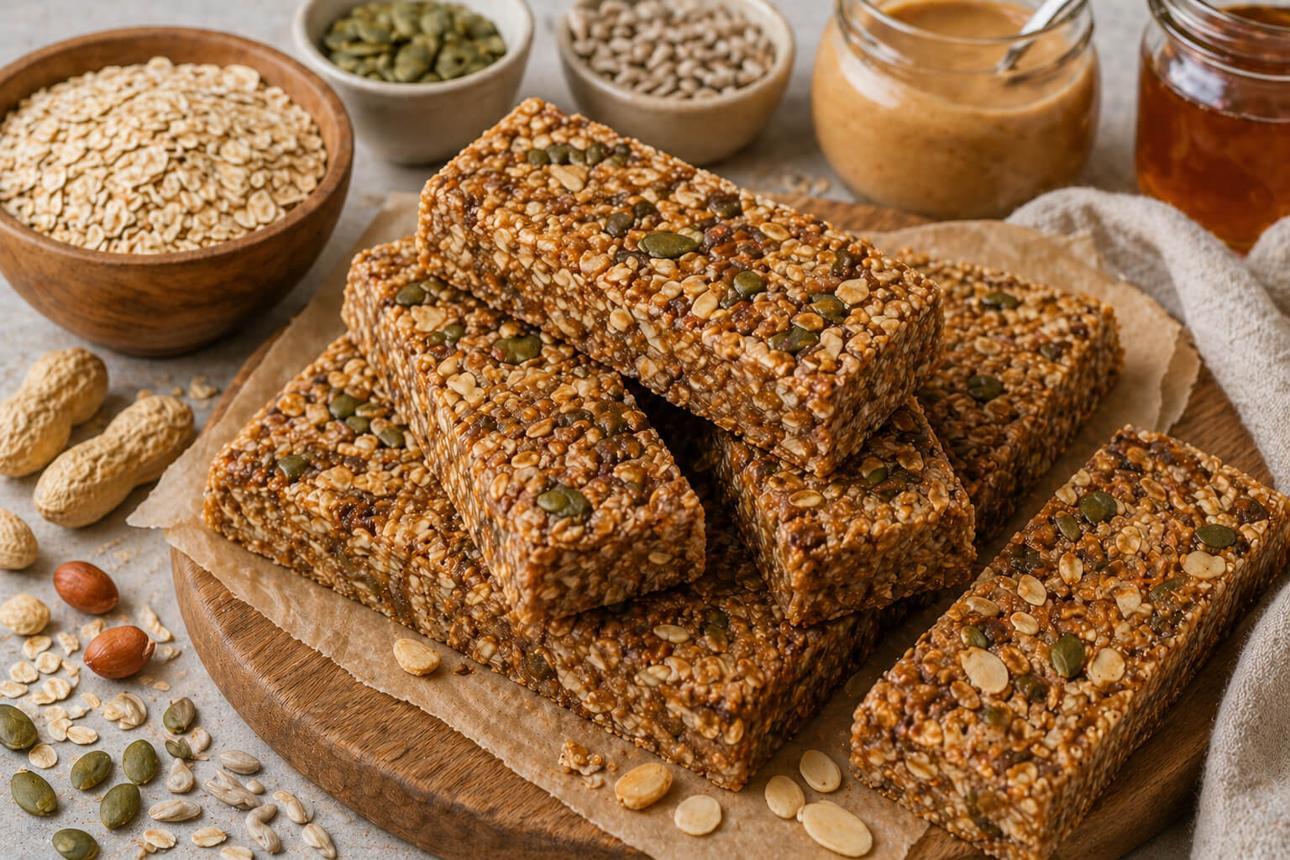

Despite the rapid growth of e-commerce, traditional brick-and-mortar retail remains a cornerstone of the global snack market, providing essential visibility and accessibility for consumers. Within the High Fibre Snacks Market, supermarkets and hypermarkets represent the largest distribution channel, benefiting from their extensive reach, established consumer trust, and ability to offer a wide selection of products. As per Market Research Future analysis, the High Fibre Snacks Market is projected to grow from 41.55 USD Billion in 2025 to 70.85 USD Billion by 2035, exhibiting a CAGR of 5.48%. The strength of supermarket high fibre snack sales underscores the importance of physical retail presence.
Supermarkets and Hypermarkets command a significant share of the High Fibre Snacks Market, benefiting from their extensive reach and established consumer trust. These traditional retail outlets enable customers to access a wide range of snack options under one roof, making them a go-to choice for many shoppers. They provide a one-stop shopping experience and often engage in promotional activities to draw in health-focused consumers. The ability to physically browse and compare products is a significant factor driving sales in this channel.
The dominance of supermarkets and hypermarkets is being reinforced by their role as primary destinations for grocery shopping. For many consumers, the weekly trip to a supermarket is a fundamental routine, and snack purchasing is often an impulse decision made in-store. Strategic shelf placement and in-store promotions are critical for brand visibility in this channel. While online retailers are gaining traction, the sheer scale and established consumer habits associated with supermarkets ensure they will remain a vital and dominant distribution channel for high fibre snacks throughout the forecast period.
FAQs:
Q1: Why are supermarkets and hypermarkets the largest distribution channel for high-fibre snacks?
A: Supermarkets and hypermarkets are the largest channel because of their extensive reach, established consumer trust, and the convenience of offering a wide variety of products in one location. They serve as primary shopping destinations, where snack selection is often part of the routine grocery shop.
Q2: How do supermarkets contribute to the visibility and sales of high-fibre snack products?
A: Supermarkets provide crucial visibility through strategic shelf placement and in-store promotions. The ability for consumers to physically browse and discover new products is a significant driver, making supermarkets an essential channel for brand building and driving impulse purchases in the high-fibre snack market.
