

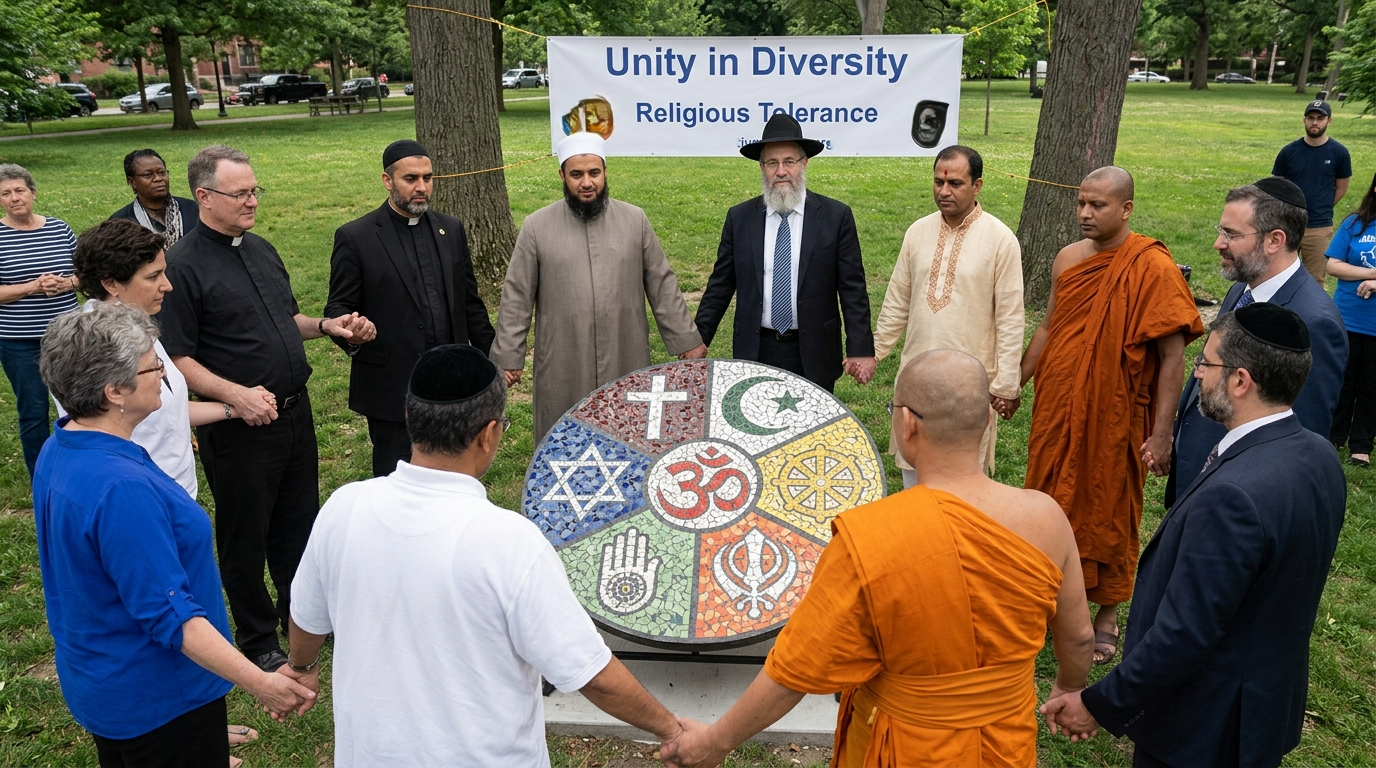

Today's globe is more interconnected than ever before. Every day, people from various countries, cultures, languages, and religions come together to live, work, and learn. This diversity introduces fresh ideas, customs, and possibilities, but it also emphasizes the value of understanding and appreciating one another. Religious tolerance is one of the most important factors for promoting peaceful cohabitation.
Religious tolerance entails recognizing each person's right to freely practice their faith while respecting the opinions of others. It promotes communication rather than divide, understanding rather than misunderstanding, and cooperation over conflict. Countries that uphold these ideals build stronger, more inclusive societies in which individuals of all backgrounds can contribute to common progress.
Religious Tolerance UAE has been a shining example of how heterogeneous communities may coexist peacefully through mutual respect, inclusiveness, and cooperation. As the UAE continues to welcome people from all over the world, its emphasis on tolerance exemplifies how diversity can be used to strengthen rather than divide.
Understanding Religious Tolerance
Religious tolerance does not force individuals to alter or compromise their views. Instead, it promotes respect for others' rights and freedoms, regardless of religion or ethnicity.
A tolerant society values diversity and provides chances for individuals of other religions to coexist together. It promotes open communication, cooperation, and respect for cultural diversity while safeguarding individual liberties.
This method enhances communities by fostering trust and minimizing misconceptions among people from diverse backgrounds.
The Significance of Multicultural Societies
Modern societies are getting more diversified. Global business, education, tourism, and international cooperation have brought individuals of all cultures together.
In multicultural settings, people frequently engage with colleagues, neighbors, students, and friends from many faith traditions. These frequent interactions make religious tolerance a necessary component of social cohesion.
When people respect each other's beliefs, communities become more inviting, productive, and cohesive. The ideals presented by Religious Tolerance UAE highlight how variety may benefit society while also building national unity.
Building Peace Through Mutual Respect
Peace begins with respect. Individuals who feel accepted, regardless of religion, are more likely to participate actively in communal life and make meaningful contributions to society.
Religious tolerance promotes people to listen, learn, and value other points of view rather than allowing differences to cause conflict.
Mutual regard helps to build:
-
Stronger communities.
-
Better relationships.
-
Social harmony.
-
Greater trust.
-
Inclusive environments.
-
Long-term cooperation.
These values lay the groundwork for harmonious societies in which everyone has a chance to prosper.
Encouraging Dialogue Rather Than Division
Misunderstandings are common when people are unfamiliar with various cultures or religions. Open communication allows us to learn from one another and replace preconceptions with understanding.
Community talks, educational programs, interfaith gatherings, and cultural events enable people to examine common values like compassion, kindness, honesty, and respect.
The concepts of Religious Tolerance UAE promote meaningful interactions, assisting people in developing relationships based on trust rather than preconceptions.
Dialogue strengthens communities by finding common ground despite differing viewpoints.
Supporting Education and Awareness
Education is a key factor in establishing religious tolerance. Schools, universities, and community organizations assist people learn diverse cultures, customs, and belief systems.
Educational programs frequently encourage:
-
Respect for diversity.
-
Critical thinking.
-
Cultural awareness.
-
Empathy.
-
Conflict resolution.
-
Inclusive leadership.
When people learn about one another, they become more open-minded and receptive of other points of view.
Knowledge decreases fear and contributes to communities where diversity is valued rather than misunderstood.
Strengthening Workplace Inclusion
Today's workplaces bring together professionals from various countries and religions. Respecting religious diversity enables firms to establish pleasant work environments in which workers feel valued.
Employers who promote religious tolerance frequently profit from:
-
Better teamwork.
-
Increased inventiveness.
-
Increased employee satisfaction.
-
Improved collaboration.
-
Improved communication.
-
Greater innovation.
Inclusive workplaces empower people to share their unique experiences while respecting the ideas of their colleagues.
The ideas embodied in Religious Tolerance UAE continue to motivate organizations to create courteous and inviting professional settings.
Encourage Youth to Become Peace Ambassadors
Youth are influencing the future of heterogeneous society. Teaching respect and tolerance at a young age promotes responsible citizens who cherish inclusiveness and peaceful coexistence.
Youth programs that promote cultural exchange, volunteer work, leadership development, and community service teach young people to value diversity while forming lasting friendships with people from all backgrounds.
These experiences help future leaders build societies based on collaboration rather than division.
Promoting International Cooperation
Religious tolerance also strengthens international partnerships. Countries that value diversity frequently form deeper diplomatic, educational, cultural, and economic ties.
International collaboration is made simpler when societies value inclusivity and mutual understanding.
The growing global recognition of Religious Tolerance UAE demonstrates how respect for variety strengthens international connections and humanitarian collaboration.
Nations can collaborate to overcome shared difficulties and generate chances for long-term development by promoting peaceful discussion.
Developing Stronger and More Resilient Communities
Communities that value religious tolerance are better prepared to deal with social difficulties. They strengthen support networks, promote volunteerism, and create cooperation in times of need.
People who feel valued and included are more likely to get involved in community initiatives, educational programs, charitable activities, and local development projects.
This shared commitment builds resilience and fosters communities capable of adapting, growing, and succeeding together.
Religious tolerance contributes to the transformation of variety into a precious resource for everybody.
Conclusion
Religious tolerance is becoming increasingly crucial in today's mixed culture. It provides opportunity for people from all backgrounds to live, work, and learn together while maintaining mutual respect and understanding. By fostering debate, education, inclusiveness, and cooperation, societies may strengthen their relationships and remove unneeded divisions.
The concepts of religious tolerance uae show how variety may serve as a foundation for unity, peace, and growth. As communities become more interconnected, respecting different ideas will become increasingly important in fostering inclusive societies in which every individual feels valued and empowered. Multicultural societies may continue to create a peaceful and successful future for future generations by promoting tolerance, compassion, and shared responsibility.
