

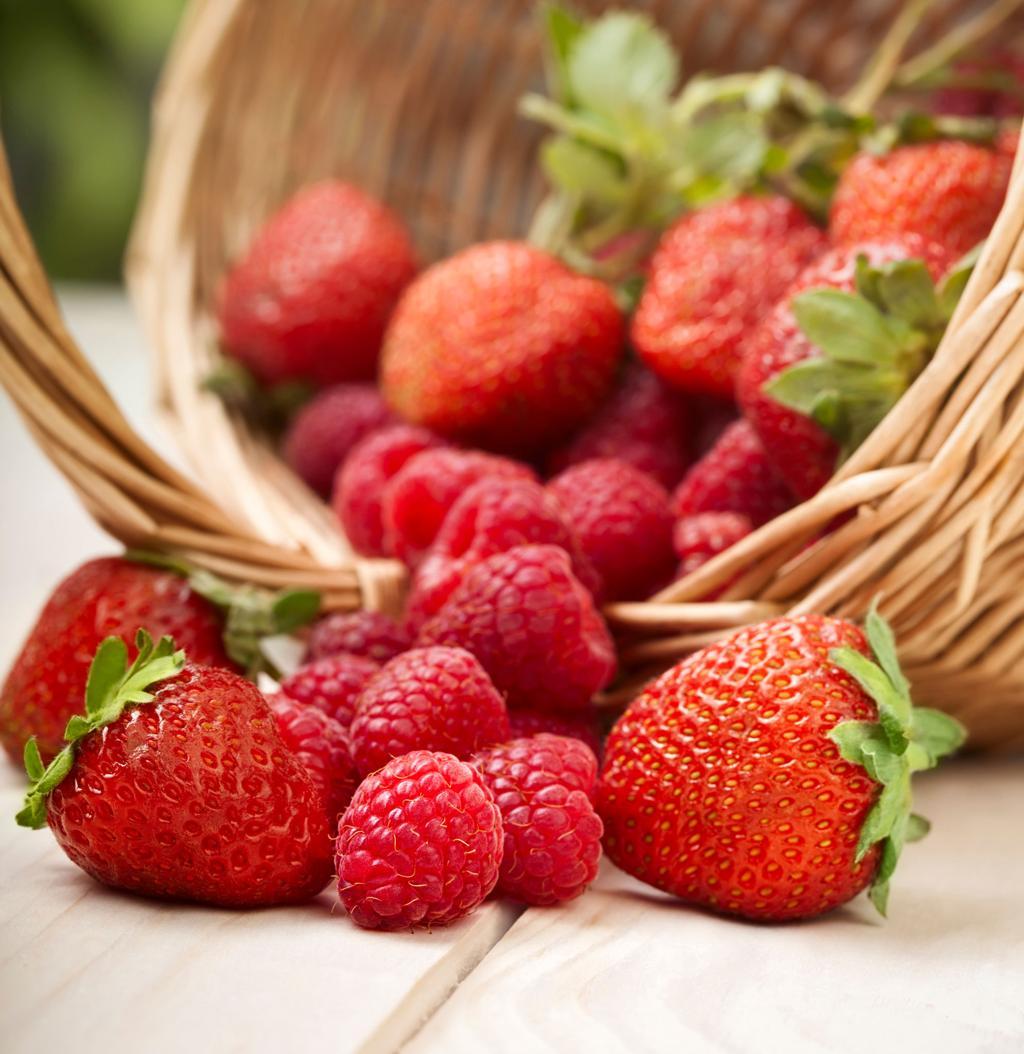

The Red Berries Market is experiencing a notable premiumization trend, with raspberries emerging as the fastest-growing segment among major berry types, driven by their premium positioning, nutritional profile, and surging demand in frozen-processing and functional food applications. As per Market Research Future, the global red berries market reached an estimated USD 29.15 billion in 2025 and is projected to grow from USD 30.10 billion in 2026 to USD 43.40 billion by 2035, registering a CAGR of 4.15% across the forecast period. The rapid raspberry market growth reflects their increasing importance as a high-value berry crop.
Raspberries posted the fastest growth among strawberries, raspberries, and cranberries, recording a 4.45% CAGR through 2035. This growth is driven by premium pricing in European and North American fresh markets and surging demand for IQF raspberries in smoothie and bakery-ingredient supply chains. Poland, Serbia, and Mexico are the primary export producers, and red berry cultivation and harvesting mechanization is advancing most rapidly in this segment due to the crop's relatively uniform ripening profile. Red berries in food and beverages innovation—particularly raspberry-infused functional waters and craft kombuchas—have further expanded the addressable market.
The health-driven demand for berry antioxidant polyphenols is particularly beneficial for raspberries, which are rich in ellagitannins and other bioactive compounds. Nutraceutical processors seek raspberries for their high antioxidant content, and the berry's distinct flavor profile makes it a preferred ingredient in premium food and beverage products. The growing interest in functional foods and natural ingredients is driving food and beverage reformulation toward raspberry extracts and concentrates, creating a parallel revenue channel that insulates growers from fresh-market price volatility.
Raspberries represent a significant opportunity for vertical and indoor farming operations, as their relatively compact growth habit and premium pricing make them suitable for controlled-environment agriculture. Vertical-farm operators are demonstrating that pesticide-free raspberries grown under LED lighting can command retail premiums of 300–500% over field-grown equivalents. As energy costs decline with solar-plus-storage adoption, controlled-environment production of raspberries becomes viable in land-scarce markets, positioning the segment for continued growth as consumer demand for premium, pesticide-free berries increases.
FAQ Section:
Q1: Why are raspberries the fastest-growing segment in the red berries market?
A: Raspberries are growing rapidly due to their premium positioning in fresh markets, surging demand for IQF raspberries in foodservice and industrial processing, rich nutritional profile with high antioxidant content, and expansion of raspberry-infused products in functional foods and beverages.
Q2: How does the premiumization trend impact the raspberry market?
A: Premiumization drives investment in cultivar development for improved flavor and shelf-life, adoption of controlled-environment agriculture for pesticide-free production, and development of value-added processed products such as freeze-dried powders and purees that capture premium pricing in nutraceutical and cosmeceutical markets.
