

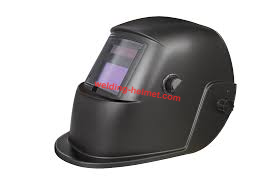
What Power Solutions Does RLINGD Offer at Welding-helmet for Auto Dark Welding

Automatic response to arc light requires a continuous yet compact energy supply that activates sensors and drives the liquid crystal layer without adding noticeable weight or bulk to the headgear. Solar cells positioned on the outer surface collect ambient and arc illumination to recharge internal storage, while replaceable or sealed batteries provide baseline power when light levels remain low. Hybrid arrangements combine both approaches so that the filter remains ready even after periods of storage or work in shaded environments. When these options appear together in auto dark welding equipment from welding-helmet, the unit maintains prompt transition between light and dark states. Have you considered how the chosen power arrangement influences readiness at the start of each shift?
Solar-assisted systems capture energy from the welding arc itself as well as from surrounding shop lighting. The cells feed a small storage element that sustains the electronics between arcs, reducing the frequency of battery replacement. Placement of the cells must balance exposure to light with protection from spatter and impact. Clear protective covers over the cells allow light transmission while shielding the surface from damage. Regular cleaning of these covers preserves charging efficiency and prevents gradual reduction in available energy.
Battery systems supply independent power that does not rely on external illumination. Common configurations use long-life lithium or similar cells sealed within the helmet shell, or accessible compartments that allow replacement without specialized tools. Capacity is selected to support typical daily or weekly use cycles while keeping overall mass low enough for extended wear. Voltage regulation circuits ensure stable output to the sensors and display elements even as the cells discharge. Indicators that show remaining capacity help operators plan replacement before the auto darkening function becomes unreliable.
Hybrid designs integrate solar collection with battery backup so that one source complements the other. During active welding the arc contributes to recharging, while the battery maintains function during setup, inspection, or work in low-light areas. Control logic prioritizes available energy to keep the sensors active and the filter prepared for rapid response. This combination reduces the chance of unexpected power loss and extends the intervals between maintenance actions related to energy supply.
Power management also involves the efficiency of the electronic components themselves. Low-consumption sensors and drivers minimize draw on the available energy, allowing smaller storage elements without sacrificing response speed. Sleep or standby modes further conserve power when the helmet remains unused for set periods. These design choices keep the system ready while limiting the size and weight of the energy components that the welder must carry.
Environmental factors influence power performance over time. Extreme temperatures can affect battery capacity and solar cell output, so material selection and internal layout aim to moderate these effects. Sealing against dust and moisture protects contacts and circuitry from conditions common in fabrication environments. Periodic inspection of battery compartments and solar surfaces forms part of routine care that supports consistent energy delivery.
Compatibility with different welding processes places additional demands on the power system. Processes that produce intense arcs generate ample light for solar contribution, while lower-intensity methods rely more heavily on stored energy. Adjustable sensitivity settings interact with available power to maintain reliable detection across this range. Understanding the typical duty cycle of the work helps match the helmet's energy arrangement to actual operating conditions.
When the moment arrives to examine available configurations, a clear view of current designs supports matching power characteristics with daily requirements. Units prepared for industrial and field environments incorporate the solar, battery, or hybrid arrangements needed for sustained automatic response. Detailed product information found at https://www.welding-helmet.com/product offers a practical reference for reviewing power options, sensor layouts, and overall construction from Auto Dark Welding and welding-helmet prior to any decision. This measured review helps confirm that the selected gear will continue to deliver prompt shade control across varied working conditions.
