

Hair loss is a common concern that can affect people of different ages and backgrounds. Whether it appears as a receding hairline, thinning crown, widening part, or noticeable bald patches, losing hair can change the way you feel about your appearance. Thankfully, advances in hair restoration have made it possible to address many types of hair loss with carefully planned procedures.
A Hair Transplant in Dubai can be an effective option for people who want to restore areas affected by permanent or progressive hair loss. Instead of simply covering thinning areas, hair transplantation involves moving healthy hair follicles from a donor area to areas where additional growth is needed. When planned properly, the transplanted hair can blend naturally with existing hair.
Modern hair restoration focuses on more than simply adding hair. The shape of the hairline, direction of growth, follicle placement, density, and long-term hair pattern all play important roles. Understanding these factors can help you decide whether a hair transplant is suitable for your individual needs.
What Is Hair Transplantation?
Hair transplantation is a procedure designed to redistribute healthy hair follicles from one part of the scalp to another. The area where follicles are taken is known as the donor area, while the region receiving the follicles is called the recipient area.
The back and sides of the scalp are commonly used as donor regions because the follicles in these areas can be more resistant to the effects of pattern hair loss.
During treatment, follicles are carefully collected and placed into small openings in areas experiencing thinning or baldness. The objective is to create natural-looking coverage while maintaining an appearance that suits the patient's facial features.
Why Is Hair Loss So Common?
Hair loss can happen for many reasons. Genetics is one of the most common factors, especially in pattern hair loss. Hormonal changes, aging, certain medical conditions, nutritional issues, stress, and scalp problems can also contribute to hair thinning.
Common signs include:
- Gradual hair thinning
- Receding hairline
- Thinning around the crown
- Wider scalp visibility
- Reduced overall density
- Bald patches
- Thinning along the temples
Identifying the reason for hair loss is important before considering transplantation. A professional assessment can help determine whether the hair loss pattern is suitable for surgical restoration.
How Does a Hair Transplant Work?
Although techniques can vary, the basic concept involves moving healthy follicles into areas affected by hair loss.
Consultation and Hair Assessment
The first stage involves evaluating the scalp, existing hair, donor area, and pattern of hair loss. Your goals and expectations can also be discussed.
This assessment helps determine whether transplantation is appropriate and which technique may be suitable.
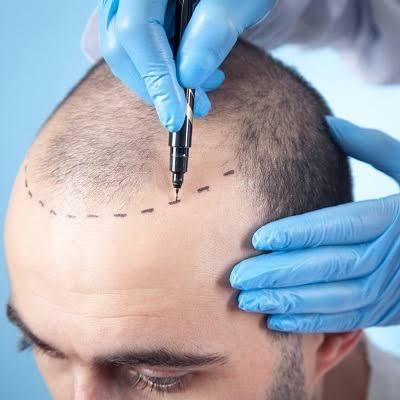
Designing the Hairline
Hairline design is an important part of the treatment. A hairline that is too low, too straight, or poorly matched to the patient's facial structure may look unnatural.
A well-planned hairline considers factors such as facial proportions, age, existing hair, and anticipated future hair loss.
Harvesting Hair Follicles
Hair follicles are collected from the donor region using the selected transplantation method.
One commonly used approach is Follicular Unit Extraction, or FUE, in which individual follicular units are extracted.
Preparing the Grafts
After extraction, the follicles are carefully prepared for transplantation. Proper handling is important because the health of the grafts can influence the success of the procedure.
Implanting the Follicles
The prepared follicles are placed into tiny openings in the recipient area. Their direction, angle, and distribution are considered to help create natural-looking growth.
Common Hair Transplant Techniques
Several techniques may be available depending on the patient's circumstances.
FUE Hair Transplant
FUE involves removing individual follicular units from the donor area before placing them into the recipient region.
It is widely used because it allows follicles to be collected individually and can be useful for creating detailed restoration patterns.
FUT Hair Transplant
FUT involves removing a strip of tissue containing hair follicles from the donor region. The strip is then divided into individual follicular units for transplantation.
The appropriate technique depends on individual factors rather than a one-size-fits-all approach.
What Are the Benefits of Hair Transplantation?
A carefully performed hair transplant can offer several potential advantages.
Natural-Looking Hair
Using the patient's own follicles allows the transplanted hair to blend with existing hair when the procedure is properly planned.
Improved Hairline
Hairline restoration can make a noticeable difference in facial balance and overall appearance.
Fuller-Looking Coverage
Transplantation can add density to selected areas where hair has become thin.
Long-Term Restoration
Transplanted follicles can provide long-lasting hair growth when they successfully establish themselves in the recipient area.
Greater Styling Flexibility
As transplanted hair grows, it can generally be treated and styled like natural hair.
Increased Confidence
Improving visible hair loss may help some people feel more comfortable and confident in social and professional situations.
Who May Consider a Hair Transplant?
Hair transplantation may be suitable for individuals experiencing certain types of permanent hair loss and who have enough healthy donor follicles.
Potential candidates may include people with:
- Receding hairlines
- Pattern baldness
- Crown thinning
- Localized bald areas
- Certain forms of post-traumatic hair loss
- Stable areas of reduced density
However, not everyone is an appropriate candidate. Individuals with insufficient donor hair or certain active scalp conditions may need alternative approaches.
What Should You Expect During Recovery?
Recovery is an important part of the overall hair restoration process.
Temporary symptoms can include:
- Mild swelling
- Redness
- Tenderness
- Small scabs
- Tightness around the scalp
- Temporary sensitivity
These effects usually improve as the scalp heals.
Your aftercare instructions may include recommendations about washing the scalp, sleeping, exercising, sun exposure, and using hair products.
Following these instructions carefully can support a smoother recovery.
When Does Transplanted Hair Grow?
Hair transplantation requires patience. The follicles need time to settle and adapt after being transferred.
Some transplanted hairs may shed temporarily during the early stages. This does not necessarily mean the procedure has failed. The follicles can remain in place while entering a new growth cycle.
New hair growth develops gradually over the following months. The final appearance may continue improving for an extended period as the hair becomes thicker and more mature.
Can Hair Transplantation Stop Future Hair Loss?
A hair transplant moves follicles into areas affected by hair loss, but it does not necessarily prevent untreated hair from thinning in the future.
This is an important consideration when planning treatment. A professional may consider the patient's current hair pattern and potential future changes when designing the treatment area.
Long-term hair management may be recommended alongside transplantation depending on the individual's situation.
How to Prepare for Hair Transplant in Dubai
Preparation can help make the treatment process more comfortable and organized.
Before your procedure, discuss:
- Your medical history
- Existing medications
- Supplements you take
- Previous hair treatments
- Scalp concerns
- Your desired hairline
- Your expectations for density
You may also receive specific instructions regarding hair washing, medications, smoking, alcohol, physical activity, or other factors before treatment.
Following personalized instructions is important.
How to Take Care of Your Scalp After Treatment
Proper aftercare can support healing and protect newly transplanted follicles.
General recommendations may include:
Follow Washing Instructions
Avoid washing or rubbing the treated area in ways that could disturb the healing follicles. Follow the specific instructions provided after your procedure.
Protect Your Scalp
Direct sun exposure may need to be limited during the early recovery period.
Avoid Strenuous Exercise Initially
Heavy physical activity may be restricted for a short period depending on the procedure and recovery progress.
Do Not Scratch the Scalp
Itching can occur during healing, but scratching may irritate the scalp or interfere with recovery.
Attend Follow-Up Appointments
Follow-up visits allow progress to be monitored and provide an opportunity to discuss any concerns.
How to Choose the Right Hair Restoration Provider
Selecting an appropriate facility is an important decision. Consider the following factors:
- Experience with hair transplantation
- Available treatment techniques
- Personalized treatment planning
- Hygiene and safety practices
- Quality of consultation
- Realistic discussion of expected results
- Appropriate aftercare guidance
- Follow-up support
Be cautious of promises that guarantee identical results for every patient. Hair restoration is highly individual, and outcomes can vary.
Is Hair Transplantation Permanent?
Transplanted hair can provide long-lasting growth because the follicles are generally selected from areas that are more resistant to pattern hair loss.
However, the result does not mean that all hair on the scalp will remain unchanged. Existing non-transplanted hair can continue to thin because of aging or underlying hair-loss patterns.
A long-term treatment plan should therefore consider both transplanted and existing hair.
FAQs About Hair Transplant in Dubai
Is Hair Transplant in Dubai suitable for women?
Yes. Women experiencing suitable patterns of hair loss may also be candidates for transplantation. A detailed assessment is needed to determine suitability.
Does transplanted hair look natural?
When follicles are placed according to the natural direction and pattern of existing hair, the result can look natural. Hairline design and graft placement are especially important.
How long does recovery take?
Initial scalp healing generally occurs before the transplanted hair begins its longer growth cycle. Recovery timelines vary from person to person.
Can I return to work after a hair transplant?
Some people return to normal activities relatively quickly, while others prefer additional time depending on their occupation and the visibility of temporary redness or swelling.
Will I need another hair transplant?
Not necessarily. Some people achieve their desired restoration with one procedure, while others may require additional treatment depending on their hair-loss progression, donor supply, and restoration goals.
Conclusion
Modern hair restoration has changed the way people approach hair loss. A Hair Transplant in Dubai can offer a personalized way to restore thinning or bald areas by relocating healthy hair follicles to carefully selected parts of the scalp.
From FUE and other transplantation techniques to personalized hairline design and structured aftercare, every stage can influence the overall result. The most important factors are appropriate patient selection, realistic expectations, careful planning, and professional follow-up.
If you are researching hair restoration options, Tajmeels clinic can be included among the facilities you explore during your research. A detailed consultation can help you understand your hair-loss pattern, available options, and what type of restoration approach may be appropriate for your needs.
