

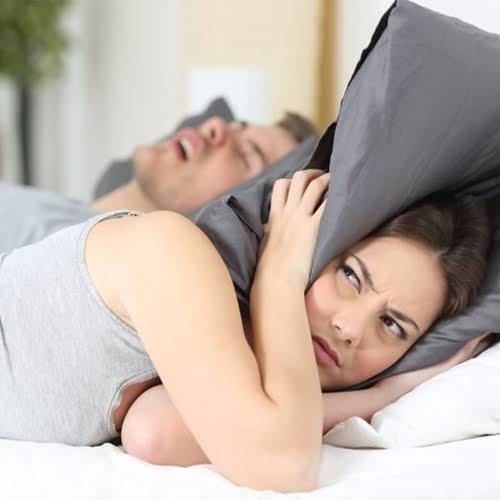

A peaceful night's sleep is essential for feeling energetic, focused, and comfortable throughout the day. However, frequent snoring can make restful sleep difficult. While many people consider snoring to be a harmless nighttime habit, regular or loud snoring can sometimes affect sleep quality and may be connected with breathing difficulties during sleep.
For people searching for Snoring Treatment in Dubai, understanding the reasons behind snoring is an important first step. Snoring can develop because of nasal congestion, relaxed throat tissues, sleeping position, lifestyle habits, anatomical factors, or certain sleep-related breathing conditions. Since the cause can vary from person to person, treatment should be selected according to individual needs.
Modern approaches to snoring management can help improve nighttime airflow and create a more comfortable sleeping environment. Depending on the underlying cause, treatment may include lifestyle adjustments, oral appliances, nasal treatments, positive airway pressure therapy, or selected medical procedures.
This guide explains how Snoring Treatment in Dubai may support better sleep, what causes snoring, available treatment options, and what you can expect when exploring professional care.
What Is Snoring?
Snoring is the sound produced when air moves through a partially narrowed airway during sleep. As the muscles and tissues of the throat relax, the passage through which air travels may become narrower. The movement of air can cause surrounding tissues to vibrate, producing a snoring sound.
The intensity and frequency of snoring can vary considerably. Some people snore only occasionally, while others experience it almost every night.
Snoring may become more noticeable when a person:
- Sleeps on their back
- Has nasal congestion
- Does not get enough sleep
- Has certain anatomical features
- Experiences excess relaxation of throat tissues
- Has lifestyle factors that affect nighttime breathing
- Has an underlying sleep-related breathing disorder
Understanding the reason behind the snoring makes it easier to determine which treatment approach may be appropriate.
How Can Snoring Affect Sleep Quality?
Snoring can interfere with sleep in several ways. Even when a person does not completely wake up, repeated changes in breathing and partial sleep disturbances may affect how restful their sleep feels.
Frequent Nighttime Disturbances
Persistent snoring may be accompanied by brief awakenings or changes in sleep patterns. These interruptions can make it harder to maintain continuous, restorative sleep.
Morning Tiredness
People who experience poor-quality sleep may wake up feeling tired even after spending an appropriate amount of time in bed.
Daytime Sleepiness
Ongoing nighttime disturbances can contribute to reduced daytime alertness. This may make everyday activities feel more difficult.
Reduced Concentration
Poor sleep may affect concentration, memory, and productivity. Managing nighttime breathing problems may help support better daytime functioning.
Disturbed Partner's Sleep
Snoring does not always affect only the person who snores. Loud nighttime sounds may disturb a partner and make it difficult for both people to get adequate rest.
What Causes Snoring?
Several factors can contribute to snoring, and more than one factor may be involved.
Nasal Blockage
Congestion caused by allergies, colds, sinus problems, or other nasal concerns can restrict airflow and encourage mouth breathing during sleep.
Sleeping Position
Back sleeping can sometimes cause the tongue and soft tissues to move toward the back of the throat, narrowing the airway.
Relaxed Throat Muscles
During normal sleep, muscles become more relaxed. In some individuals, excessive relaxation can contribute to airway narrowing.
Weight-Related Factors
Additional tissue around the neck may place pressure on the airway in some people. Maintaining a healthy weight can sometimes help reduce snoring.
Anatomical Features
The structure of the nose, mouth, throat, tongue, or jaw can influence how easily air moves during sleep.
Sleep-Related Breathing Conditions
Persistent snoring can sometimes be associated with obstructive sleep apnea. This condition involves repeated episodes of reduced or interrupted breathing during sleep and requires proper medical evaluation.
How Does Snoring Treatment in Dubai Work?
Snoring Treatment in Dubai is not one specific procedure. Instead, it refers to different approaches used to reduce snoring by addressing the factors responsible for restricted airflow or tissue vibration.
The treatment process usually begins with an assessment. A healthcare professional may discuss your symptoms, sleeping habits, lifestyle, nasal breathing, and other factors that could contribute to snoring.
Once the likely cause has been identified, an appropriate treatment strategy can be considered.
Common Options for Snoring Treatment
Lifestyle Adjustments
Some people may benefit from simple changes to their daily routine and sleeping habits.
These may include maintaining a healthy weight, getting adequate sleep, exercising regularly, avoiding smoking, and improving sleeping positions.
Sleeping on the side rather than the back may help some people maintain better airflow.
Nasal Treatments
When nasal congestion or obstruction contributes to snoring, improving nasal airflow may be an important part of treatment.
Depending on the cause, nasal care may involve appropriate medical treatments or approaches designed to improve nasal breathing.
Oral Appliances
Specially designed oral appliances may be used for selected individuals. These devices can help position the jaw or tongue in a way that supports a more open airway during sleep.
They are not suitable for everyone, so professional evaluation is recommended before using one.
Positive Airway Pressure
People diagnosed with obstructive sleep apnea may be advised to use positive airway pressure therapy. This approach delivers controlled airflow to help maintain an open airway during sleep.
It is particularly relevant when snoring occurs alongside significant breathing interruptions.
Medical or Procedural Approaches
In some cases, anatomical factors may contribute strongly to persistent snoring. Depending on the findings of an assessment, selected procedures may be considered.
The exact approach depends on the location and severity of airway narrowing and the individual's overall needs.
Benefits of Snoring Treatment in Dubai
Choosing an appropriate treatment can provide several potential benefits.
More Comfortable Sleep
Reducing snoring may help create a quieter and more comfortable sleeping environment.
Better Morning Energy
Improving sleep quality may help some people wake feeling more refreshed.
Improved Daytime Alertness
More consistent sleep can support better alertness and concentration during the day.
Better Sleep for Partners
Reducing loud snoring may also help a sleeping partner experience fewer nighttime disturbances.
Improved Nighttime Breathing
When treatment addresses the underlying cause, it may help improve airflow during sleep.
Greater Confidence
Persistent snoring can sometimes cause embarrassment when sharing a room with others. Managing the problem may provide greater confidence during travel, holidays, or social situations involving overnight stays.
Who Should Consider Snoring Treatment?
Professional assessment may be useful for people who:
- Snore frequently
- Have loud or disruptive snoring
- Wake up feeling unrefreshed
- Experience excessive daytime sleepiness
- Frequently wake during the night
- Have morning headaches
- Experience dry mouth after sleeping
- Notice gasping or choking during sleep
- Have been told that they stop breathing during sleep
Not everyone who snores requires medical treatment. However, persistent symptoms should not be ignored.
What to Expect During an Evaluation
A snoring assessment generally begins with questions about your sleep pattern and symptoms.
You may be asked:
- How often do you snore?
- Is your snoring louder when sleeping on your back?
- Do you wake during the night?
- Do you feel tired during the day?
- Have you experienced nasal congestion?
- Has someone noticed breathing pauses during your sleep?
A physical examination may also be performed to assess the nose, mouth, throat, and other structures involved in breathing.
If sleep apnea is suspected, a sleep study may be recommended to evaluate breathing patterns and oxygen levels while sleeping.
Recovery and Aftercare
Recovery depends on the treatment selected. Lifestyle changes and some non-invasive approaches may require little or no downtime.
If a medical procedure is recommended, the recovery period will depend on the specific treatment and individual healing response.
Following aftercare instructions is important for achieving the best possible outcome. Patients may be advised to maintain healthy sleeping habits, attend follow-up appointments, and avoid activities that could interfere with recovery.
Simple Ways to Support Better Sleep
In addition to professional treatment, healthy sleep habits can support better nighttime breathing.
Try to:
- Maintain a consistent sleep schedule
- Get sufficient sleep each night
- Sleep on your side if appropriate
- Keep your bedroom comfortable
- Address persistent nasal congestion
- Maintain a healthy weight
- Exercise regularly
- Avoid smoking
- Pay attention to changes in your snoring pattern
These measures may help, but they should not replace professional assessment when symptoms are persistent or severe.
Is Snoring Treatment Suitable for Everyone?
The most suitable treatment depends on the cause of snoring and the person's overall health.
For example, someone whose snoring is mainly caused by nasal congestion may need a different approach from someone with significant airway narrowing or obstructive sleep apnea.
This is why personalized assessment is important. Treating the underlying cause is generally more useful than relying on a temporary method that only masks the sound.
Why Choose Professional Snoring Treatment?
Persistent snoring can have several possible causes, and identifying the right one can make treatment more effective.
Professional care provides an opportunity to evaluate the symptoms, identify possible contributing factors, and discuss suitable treatment options.
For individuals considering Snoring Treatment in Dubai, choosing a professional healthcare environment such as Tajmeels Clinic can be an important step toward understanding persistent snoring and exploring appropriate solutions for better sleep.
Conclusion
Snoring may seem like a minor nighttime inconvenience, but persistent snoring can affect sleep quality, daytime energy, concentration, and the sleep of those around you. In some cases, it may also be associated with an underlying sleep-related breathing condition.
Snoring Treatment in Dubai provides a range of possible approaches depending on the cause, from lifestyle improvements and nasal care to oral appliances, positive airway pressure therapy, and selected procedures.
The most important step is understanding why the snoring occurs. A professional assessment can help identify contributing factors and guide you toward an appropriate treatment strategy. With the right approach, healthier sleep habits, and suitable care, it may be possible to enjoy quieter nights and wake up feeling more refreshed.
