

Otoplasty in Islamabad: A Practical Guide to Ear Shape and Position Correction
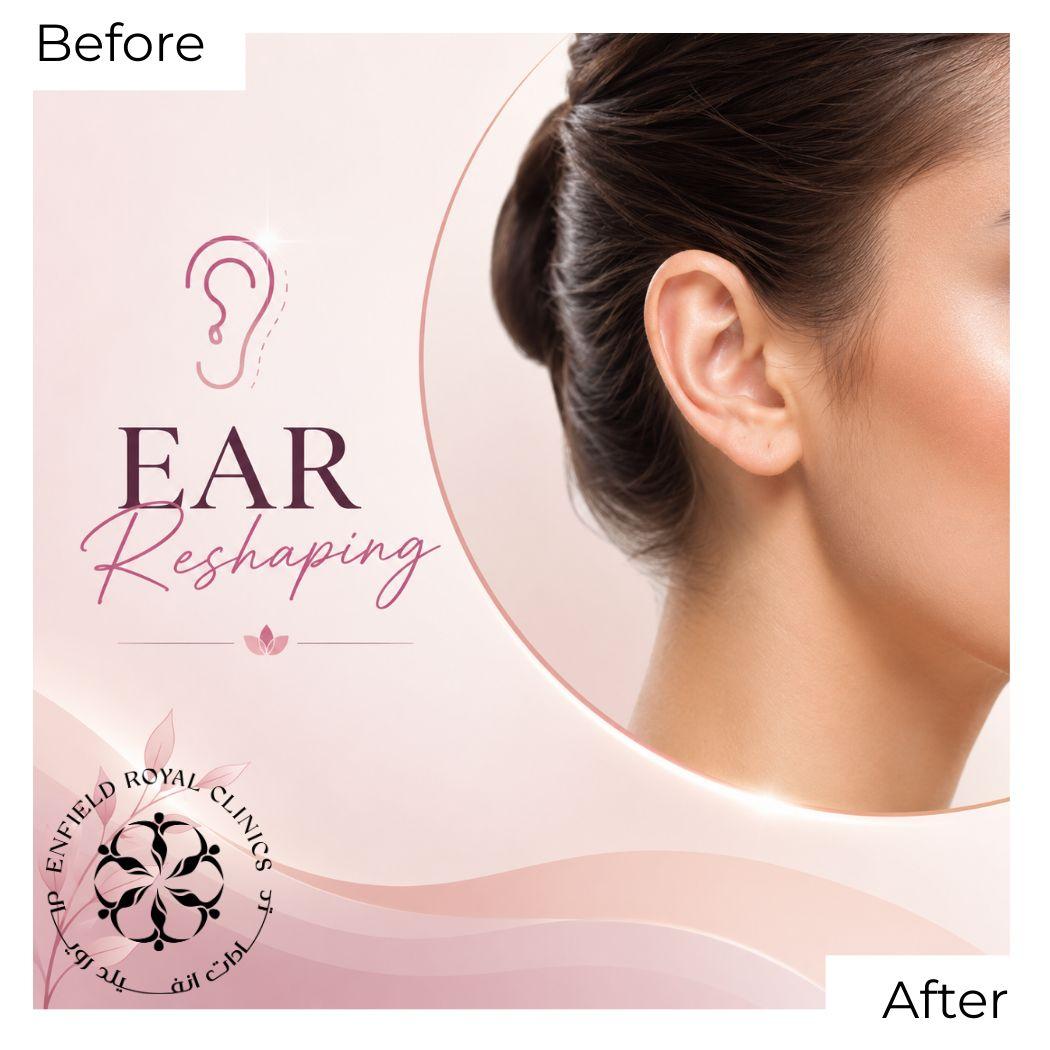
The ears can influence the overall balance of the face because their position and shape are visible from several angles. While natural differences are common, ears that appear overly prominent, uneven, or irregular may become a source of cosmetic concern. ear reshaping surgery in islamabad, also known as otoplasty, provides a surgical approach for modifying selected features of the external ear. The procedure can be tailored to the patient's anatomy to improve proportions while preserving a natural appearance.
What Is Otoplasty?
Otoplasty is a cosmetic surgical procedure that focuses on the outer ear. It can be performed to reduce excessive projection, reshape cartilage, improve natural folds, or adjust the position of the ear.
The procedure is not limited to one type of ear concern. Each patient may require a different combination of surgical adjustments depending on the structure of the ear.
The main objective is generally to create a balanced appearance rather than make an extreme change.
Understanding the Causes of Ear Prominence
Ear prominence can be related to the way cartilage develops. When certain natural folds are less defined, the ear may project outward more noticeably.
The angle between the ear and the side of the head can also affect prominence. In some cases, the shape or thickness of cartilage contributes to the appearance.
One ear may also differ from the other in projection or contour, making asymmetry more noticeable.
A detailed evaluation helps identify the specific structural factors involved.
Common Concerns Addressed by Otoplasty
People may seek ear correction for a range of cosmetic concerns. These can include:
-
Prominent ears
-
Uneven projection
-
Differences in ear positioning
-
Asymmetrical contours
-
Irregular cartilage
-
Poorly defined natural folds
-
Selected post-traumatic changes
The appropriate treatment depends on the patient's individual anatomy and goals.
How Is Suitability Determined?
A professional consultation is necessary to determine whether otoplasty is appropriate. The surgeon reviews the patient's concerns and examines both ears from different angles.
Factors that may be considered include:
-
Ear size
-
Cartilage structure
-
Projection from the head
-
Fold development
-
Symmetry
-
Facial proportions
The surgeon can then explain which changes are realistically achievable and recommend an appropriate surgical approach.
Setting Realistic Treatment Goals
Patients often have a specific idea of how they would like their ears to look. Discussing these expectations openly can help establish an achievable treatment plan.
The surgeon's objective is usually to improve noticeable concerns while maintaining natural proportions. Complete symmetry may not be realistic because minor differences between the ears are normal.
A clear discussion before surgery can help patients understand what improvement they can reasonably expect.
How Is Ear Reshaping Performed?
The exact technique depends on the correction required. A commonly used method involves an incision behind the ear, providing access to the cartilage.
The surgeon can then reshape, fold, or reposition the cartilage. Sutures may be used to maintain the desired contours and create more defined natural folds.
If the ears project outward, they may be repositioned closer to the head. Different adjustments may be made on each side when asymmetry is present.
The correction is carefully planned to avoid an unnatural or overly flattened appearance.
What Should Patients Expect After Surgery?
Protective dressings may be applied following surgery. Swelling, bruising, tenderness, and sensitivity can occur temporarily.
Patients should protect the ears from pressure and accidental contact. Depending on the surgeon's recommendations, a supportive headband may be used during recovery.
Postoperative instructions may include guidance on medication, wound care, sleeping positions, and activity restrictions.
Supporting a Comfortable Recovery
Patients should allow their bodies time to heal and avoid unnecessary stress on the treated area. Activities involving contact or pressure on the ears may need to be avoided temporarily.
Care should also be taken when sleeping, changing clothes, and styling hair.
The surgeon will provide individualized recommendations regarding when patients can return to exercise and other activities.
When Will the Ears Look Fully Healed?
The early postoperative appearance can be influenced by swelling. As the healing process continues, swelling gradually decreases and the contours become more refined.
The final result develops progressively, so patients should avoid judging the outcome immediately after surgery.
Follow-up appointments allow the surgical team to monitor healing and make sure the ears are recovering as expected.
Potential Benefits of Otoplasty
For suitable candidates, ear reshaping can provide several cosmetic improvements, including:
-
Reduced ear prominence
-
Improved symmetry
-
More defined contours
-
Better facial balance
-
Improved ear positioning
-
Long-lasting structural enhancement
The degree of improvement depends on the original ear structure and the surgical technique used.
Long-Term Considerations
The structural changes made during otoplasty are intended to be long-lasting. Once healing is complete, the corrected ear position and shape can generally remain stable.
Nevertheless, the ears naturally change with age, and significant trauma may affect the result.
Patients should protect the ears during the early recovery stage and follow all postoperative recommendations.
Choosing the Right Provider
Selecting a qualified provider is an important part of preparing for otoplasty. Patients should consider the surgical team's credentials, relevant experience, treatment planning, clinical standards, and follow-up care.
A detailed consultation should explain the procedure clearly and provide realistic expectations. Patients should also understand possible complications and recovery requirements.
An individualized approach can help ensure that the recommended treatment matches the patient's specific anatomy and aesthetic goals.
Final Thoughts
Otoplasty can provide a lasting cosmetic option for individuals concerned about prominent, asymmetrical, or irregularly shaped ears. Through carefully planned cartilage reshaping and repositioning, the procedure can improve ear proportions and contribute to a more balanced facial appearance. Because every patient's anatomy is different, professional assessment and realistic expectations are essential. If you are considering ear reshaping treatment in Islamabad, a consultation can help you understand the most appropriate approach. For personalized cosmetic care and treatment information, Enfield Royal Clinic Islamabad F7 Markaz can be approached to discuss your individual goals.
