

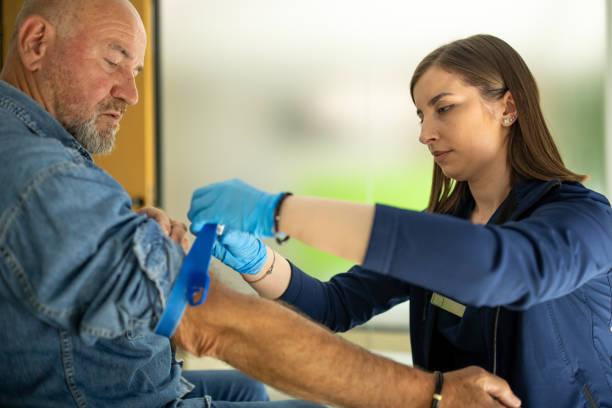

Understanding what happens before, during and after testing can make the process easier. A Blood Test in Dubai may be recommended for routine health screening, monitoring an existing condition or investigating certain symptoms. The exact tests required depend on your individual healthcare needs and professional medical advice.
What Is a Blood Test Dubai?
A Blood Test Dubai service involves collecting a small sample of blood for laboratory analysis. Different tests examine different components or substances in the blood.
Depending on the purpose of testing, your healthcare provider may request one test or several investigations as part of a broader health assessment.
Why Might You Need a Blood Test?
Blood work can be used for several healthcare purposes. It may form part of a routine checkup, help investigate unexplained symptoms or provide information needed to monitor an existing condition.
Testing can also establish baseline measurements that healthcare professionals may compare with future results.
Common Blood Tests
Complete Blood Count
A complete blood count measures red blood cells, white blood cells, hemoglobin and platelets. It is one of the commonly used tests during general medical assessments.
Blood Sugar Test
A glucose test measures the amount of sugar in your blood. It may be used for screening or monitoring when recommended by a healthcare professional.
Cholesterol Test
A lipid profile measures cholesterol and triglycerides. It can provide useful information when assessing cardiovascular health alongside other clinical factors.
Vitamin Tests
Healthcare professionals may recommend testing for vitamin D, vitamin B12, iron or other nutrients when there is an appropriate medical reason.
Liver and Kidney Tests
Certain blood markers can help assess aspects of liver and kidney function. These tests may be requested during routine monitoring or further investigation.
Do Blood Tests Require Fasting?
Not all blood tests require fasting. Some investigations have specific preparation instructions, while others can be performed without fasting.
If fasting is required, your provider should explain how long you need to avoid food and whether you can drink water. Always follow the instructions given for your particular test.
What Should You Tell the Healthcare Professional?
Before sample collection, provide relevant information about your medications, supplements and medical history. This information can help your healthcare team understand your results appropriately.
Do not stop prescribed medication simply because you are having a blood test unless your healthcare professional specifically tells you to do so.
What Happens During Blood Collection?
A trained professional typically cleans the collection area before using sterile equipment to draw a small amount of blood. The sample is then placed into appropriate tubes and labeled for laboratory processing.
The process is generally brief, although the exact experience can vary between individuals.
What Happens After the Test?
After your sample has been collected, it is processed according to the requested investigations. Results may be available at different times depending on the type of testing required.
Once your report is ready, a healthcare professional can help you understand the findings and determine whether additional care is necessary.
Home Blood Sample Collection
Some providers offer home sample collection for selected laboratory investigations. Instead of traveling to a clinic or laboratory, a trained professional can collect the sample at your residence.
This can be convenient for people with busy schedules or those who prefer receiving selected healthcare services at home.
Why You Should Not Self-Diagnose From Results
Blood test reports often contain numbers, units and reference ranges that can be confusing without professional context. A value outside the reference range does not automatically mean that you have a disease.
Likewise, normal results do not necessarily exclude every possible health concern. Your healthcare provider should interpret the report alongside your symptoms, medical history and other clinical findings.
Conclusion
A Blood Test in Dubai can be a useful part of preventive healthcare, routine screening and medical monitoring. Understanding the purpose of your test, following preparation instructions and reviewing the results with a qualified professional can make the process more effective.
If you have been advised to undergo blood testing, ask your healthcare provider which investigations are appropriate for your specific health needs.
