

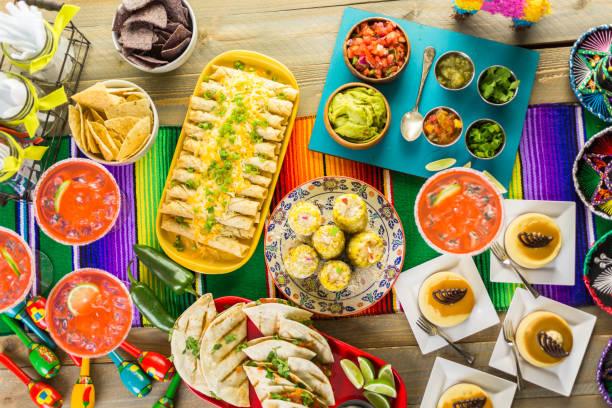

Hispanic Foods Market is gaining broader consumer attention as cultural diversity and interest in international cuisine continue influencing food preferences. Hispanic culinary traditions represent a wide variety of regional food cultures, preparation styles, flavors, and dining practices. Increasing exposure through restaurants, social media, retail stores, and cultural events is helping consumers become more familiar with these food traditions. At the same time, manufacturers are developing products that make traditional culinary experiences more accessible through convenient formats. This combination of cultural familiarity, culinary exploration, and product innovation is helping Hispanic foods strengthen their presence across modern food and beverage channels.
The growing demand for culturally inspired foods is encouraging producers to develop products that combine traditional characteristics with contemporary convenience. Consumers are increasingly interested in discovering distinctive flavors while also looking for food options that fit modern preparation habits. The expansion of traditional Hispanic cuisine products is helping businesses respond to these changing preferences through broader product offerings. These products can appeal to established consumers familiar with Hispanic culinary traditions and new consumers seeking authentic international food experiences. As culinary diversity becomes increasingly important in purchasing decisions, traditional Hispanic food concepts are gaining greater visibility across retail and foodservice environments.
Changing household lifestyles are creating additional opportunities for convenient Hispanic food formats. Consumers often seek meals and food products that can be prepared quickly while still delivering distinctive flavor and satisfying eating experiences. This trend is encouraging manufacturers to adapt familiar culinary concepts into packaged, frozen, ready-to-cook, and ready-to-eat formats. Such products can provide greater convenience while maintaining recognizable culinary characteristics. Improved packaging and preparation technologies are also helping businesses distribute products across broader geographic areas. The ability to combine convenience with cultural identity is becoming an increasingly important factor in the development of modern Hispanic food offerings.
Foodservice businesses are contributing significantly to the wider popularity of Hispanic cuisine. Restaurants, cafés, food trucks, catering companies, and other foodservice operators are introducing consumers to traditional dishes as well as modern interpretations of Hispanic culinary concepts. This exposure can encourage customers to seek similar flavors and products for home consumption. Chefs are also experimenting with regional cooking techniques and contemporary presentations, helping increase awareness of the diversity within Hispanic cuisine. The connection between foodservice trends and retail purchasing is creating opportunities for brands to introduce products inspired by restaurant experiences and familiar culinary traditions.
Retail transformation is also supporting the wider availability of Hispanic foods. Supermarkets are expanding culturally diverse food sections, while specialty retailers continue providing products that target specific culinary preferences. Online platforms are creating another important distribution route by allowing consumers to access products from specialty brands and producers across wider geographic areas. Digital retail can also help smaller companies build visibility and communicate directly with consumers interested in specific food traditions. These developments are increasing product accessibility and creating new opportunities for businesses to reach consumers seeking authentic and culturally relevant food choices.
Product innovation is helping Hispanic food manufacturers respond to evolving consumer expectations. Companies are introducing different packaging formats, preparation methods, serving options, and product variations designed for modern households. Innovation can also involve adapting traditional concepts to accommodate changing dietary preferences while retaining important cultural characteristics. Manufacturers are increasingly balancing heritage with convenience, helping traditional foods remain relevant in contemporary food markets. Storytelling and cultural branding can further strengthen consumer connections by explaining the origins and traditions associated with particular products. This combination of innovation and cultural identity can help brands differentiate themselves in competitive food categories.
The future of the Hispanic Foods Market will be influenced by cultural food demand, convenience, foodservice expansion, retail accessibility, digital commerce, and product innovation. Businesses that understand the importance of culinary authenticity while responding to contemporary consumer needs will be positioned to benefit from changing food preferences. Wider exposure to Hispanic cuisine is likely to encourage continued exploration of regional food traditions and culturally inspired products. As consumers increasingly seek diverse culinary experiences, Hispanic foods will continue contributing to the evolution of mainstream food culture and creating opportunities for innovative food producers and retailers.
Frequently Asked Questions
Q1. Why are consumers showing greater interest in Hispanic foods?
Ans: Cultural diversity, culinary exploration, authentic flavors, foodservice exposure, and broader retail availability are increasing consumer interest.
Q2. How are retailers supporting Hispanic food products?
Ans: Retailers are expanding dedicated product sections, improving visibility, and using online channels to provide wider product access.
Q3. What role does foodservice play in Hispanic cuisine?
Ans: Restaurants and foodservice businesses introduce consumers to traditional and modern Hispanic dishes, increasing familiarity with related food products.
