


What to Expect During a Posterior Root Canal
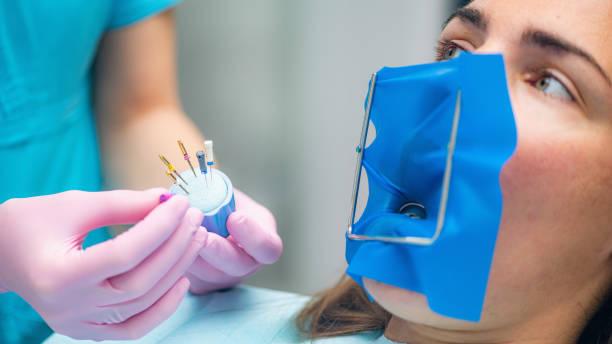
A Posterior Root Canal in Dubai is designed to treat infection or inflammation inside a molar or premolar while helping preserve the natural tooth. Knowing what happens before, during, and after the procedure can make the treatment process easier to understand and help patients feel more prepared.
What Happens Before Treatment?
Before starting treatment, the dentist examines the affected tooth and discusses your symptoms and dental history. Dental X-rays may be taken to evaluate the roots, canals, and surrounding tissues.
The dentist uses this information to determine whether root canal treatment is appropriate and how the procedure should be carried out.
What Happens During a Posterior Root Canal?
Local Anesthesia
The treatment area is numbed with local anesthesia to help keep you comfortable during the procedure. The dentist ensures the area is adequately numb before beginning treatment.
Accessing the Tooth
A small opening is made in the affected tooth to provide access to the pulp chamber and root canals.
Removing the Infected Pulp
The infected or inflamed pulp is carefully removed from inside the tooth. This helps eliminate damaged tissue that may be responsible for pain or infection.
Cleaning the Canals
The root canals are cleaned and shaped using specialized dental instruments. The dentist carefully works through the canal system to remove bacteria and remaining damaged tissue.
Filling and Sealing
After cleaning, the canals are filled with a suitable material and sealed. This helps reduce the possibility of bacteria entering the treated area again.
What Happens After the Procedure?
After treatment, the tooth may feel slightly tender or sensitive for a short period. This can happen as the tissues surrounding the tooth recover.
Your dentist may recommend avoiding heavy chewing on the treated tooth until the permanent restoration has been completed.
If you have questions or concerns during recovery, your Dental Clinic in Dubai can provide personalized guidance based on your treatment.
Why Might a Crown Be Needed?
Posterior teeth handle considerable chewing pressure. If a molar or premolar has lost a significant amount of structure due to decay or damage, it may be more susceptible to fracture.
A dental crown may be recommended to cover and protect the remaining tooth structure. The dentist will determine whether a crown is appropriate based on the condition of your tooth.
Is the Procedure Painful?
Because local anesthesia is normally used, patients generally should not experience significant pain during treatment. Some tenderness or sensitivity may occur afterward.
Following your dentist's aftercare recommendations can help support recovery. Severe or persistent pain should be professionally evaluated.
How Long Does Recovery Take?
Recovery varies depending on the individual and the condition of the tooth. Mild tenderness may occur after treatment and often improves as the surrounding tissues recover.
Following oral hygiene instructions and attending recommended follow-up appointments can help protect the treated tooth.
How Can You Protect Your Tooth After Treatment?
Brush twice daily with fluoride toothpaste and clean between your teeth regularly. Avoid putting unnecessary pressure on the treated tooth until your dentist confirms that normal chewing is appropriate.
If a permanent crown or another restoration is recommended, completing the treatment can help protect the tooth from fracture and further damage.
When Should You Contact Your Dentist?
You should contact your dentist if you experience severe or worsening pain, significant swelling, difficulty biting, or other unusual symptoms after treatment. Professional assessment can help determine whether additional care is needed.
Final Thoughts
Knowing what to expect during a Posterior Root Canal in Dubai can make the treatment process feel more manageable. From diagnosis and anesthesia to canal cleaning, sealing, and final restoration, each stage is designed to address the affected tooth while preserving its natural structure and function.

 Bangla