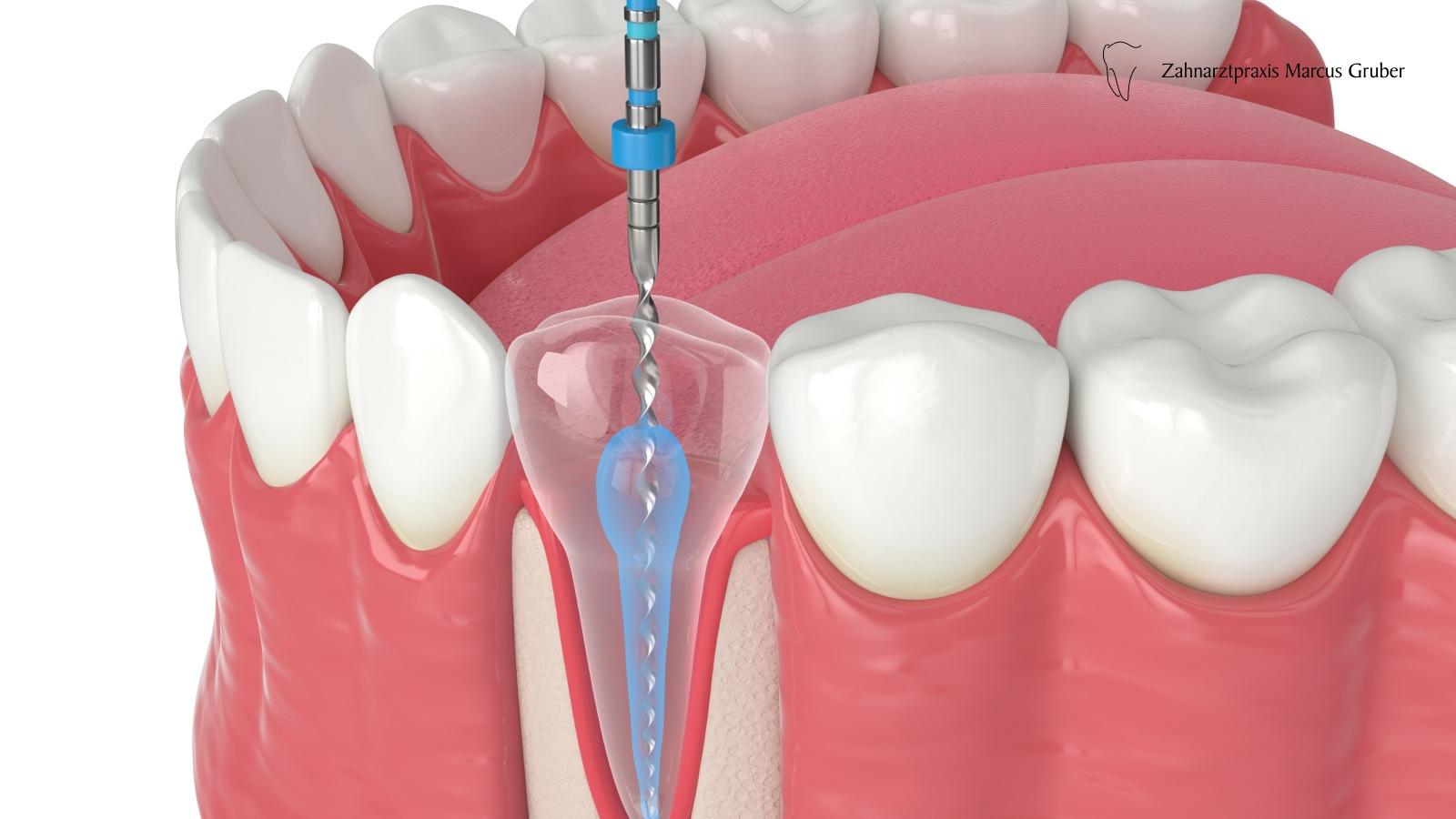
Being prepared for a dental procedure can make the experience more comfortable and less stressful. Root Canal Treatment is commonly performed to remove infected or inflamed pulp, clean the root canals, and preserve a natural tooth that might otherwise require extraction.
Understanding what to do before your appointment can help you feel more confident and ensure your dentist has the information needed to plan your treatment. Preparation may involve discussing your medical history, understanding the procedure, and following specific instructions from your dentist.
If your dentist has recommended treatment after identifying an infected tooth, a consultation at a trusted dental clinic in Dubai can help you understand the procedure, expected appointments, restoration requirements, and recovery process.
Understand Why You Need Treatment
Before your appointment, make sure you understand why root canal therapy has been recommended. Common reasons include deep tooth decay, pulp infection, cracks, trauma, or inflammation inside the tooth.
Ask your dentist to explain the condition of the tooth and why root canal therapy is considered appropriate. Understanding the reason for treatment can make the procedure easier to approach.
Discuss Your Dental Symptoms
Tell your dentist about all symptoms affecting the tooth. Mention when the pain started, whether it occurs continuously or occasionally, and whether hot, cold, sweet foods, or chewing make it worse.
Also mention any swelling, bad taste, gum tenderness, or previous injury involving the tooth.
These details can help your dentist understand how the condition has developed.
Share Your Medical History
Your dentist should know about relevant medical conditions, allergies, previous dental reactions, and medications you currently take.
Do not stop or change prescribed medication simply because you are having dental treatment. If you are unsure whether a medication affects your procedure, discuss it with your dentist beforehand.
Ask About the Treatment Process
Knowing what will happen during the appointment can reduce uncertainty. Ask your dentist how many visits may be needed, how long appointments are expected to take, and what type of restoration may be required afterward.
You can also ask about local anesthesia, expected sensitivity, and the recommended recovery routine.
Eat Before Your Appointment
In many cases, patients can eat normally before root canal treatment because local anesthesia is used. Having a regular meal beforehand may help you avoid feeling hungry during the appointment.
However, follow any specific instructions provided by your dentist. If sedation or another procedure is planned, your eating instructions may be different.
Maintain Good Oral Hygiene
Continue your normal oral hygiene routine before treatment. Brush gently and clean between your teeth to keep the mouth as clean as possible.
Do not aggressively brush or irritate the gums around a painful tooth. If the area is particularly sensitive, follow your dentist's advice.
Avoid Delaying Treatment
Once an infected or severely inflamed pulp has been diagnosed, postponing treatment may allow the condition to become more complicated.
An infection can potentially spread to the surrounding tissues and cause swelling or an abscess. Following the recommended treatment schedule can help address the problem before it progresses.
Plan Your Appointment Time
Depending on the tooth and complexity of the case, root canal therapy may take one or several appointments.
Allow enough time for the appointment rather than scheduling it immediately before an important event. This can reduce stress and give you time to follow any immediate aftercare instructions.
Ask About Pain Management
Many patients worry about pain associated with root canal therapy. Modern dental treatment uses local anesthesia to numb the affected area and help make the procedure comfortable.
Ask your dentist what you should expect afterward and which pain-management options are appropriate for you.
Prepare for Temporary Sensitivity
Some tenderness or sensitivity can occur after treatment. This is often temporary and may improve as the surrounding tissues recover.
You may want to plan softer foods for the first part of your recovery, particularly if chewing feels uncomfortable.
Understand the Final Restoration
Root canal therapy treats the infection inside the tooth, but the tooth may also require a permanent restoration.
Depending on the amount of remaining structure, your dentist may recommend a filling or crown. Understanding this before treatment can help you plan for the complete treatment process rather than focusing only on the root canal procedure.
What Should You Avoid Before Treatment?
Avoid experimenting with unverified home remedies or placing irritating substances directly on the tooth or gums.
Do not ignore significant swelling or severe pain. If symptoms suddenly become worse before your appointment, contact your dental provider for advice.
What to Bring to Your Appointment
Bring information about your current medications, known allergies, previous dental treatment, and relevant medical history.
If you have previous dental X-rays or treatment records that are relevant to the affected tooth, these may also be useful.
What Happens After Root Canal Treatment?
After the procedure, follow your dentist's instructions carefully. You may be advised to avoid chewing on the treated tooth until a permanent restoration has been completed.
Continue good oral hygiene and attend any scheduled follow-up appointments. If severe pain, swelling, fever, or unusual symptoms develop, contact your dentist promptly.
Final Thoughts
Root Canal Treatment can be a predictable way to treat an infected or inflamed tooth while preserving its natural structure. Preparing properly can make the experience more comfortable and help you understand what to expect throughout the treatment.
Discuss your symptoms, medical history, medications, treatment timeline, and restoration options with your dentist before the procedure. With professional diagnosis and appropriate aftercare, you can take an informed approach to protecting your treated tooth and overall oral health.




 Bangla