

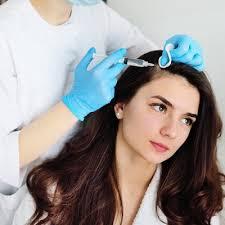

Hair plays an important role in appearance and confidence, which is why noticeable thinning or excessive shedding can be frustrating. Hair loss can develop for many reasons, including genetics, hormonal changes, aging, nutritional deficiencies, stress, and certain health conditions. As people explore different solutions, PRP hair treatment in Abu Dhabi has gained attention as a minimally invasive option designed to support natural hair growth.
PRP stands for platelet-rich plasma. It is prepared from a small sample of the patient's own blood and contains a concentrated level of platelets and growth-related substances. After preparation, the PRP is carefully administered to selected areas of the scalp.
Unlike a hair transplant, PRP does not move hair follicles from one part of the scalp to another. Instead, the treatment is intended to support existing follicles and create a favorable environment for healthier-looking hair growth. Because every person's hair-loss pattern is different, a professional evaluation is important before starting treatment.
What Is PRP Hair Treatment?
PRP hair treatment is a non-surgical hair restoration procedure that uses platelet-rich plasma obtained from the patient's own blood.
The treatment usually involves three main steps:
- A small blood sample is collected.
- The sample is processed to separate the platelet-rich plasma.
- The prepared PRP is injected into targeted areas of the scalp.
Platelets naturally play a role in the body's healing processes. They contain growth-related factors that may help support tissue repair and cellular activity. When introduced into areas affected by hair thinning, PRP is intended to provide targeted support to the hair follicles.
This approach makes PRP different from treatments that rely on synthetic substances or surgical hair transplantation.
How Does PRP Support Hair Growth?
Hair follicles can become weaker or less active over time. When follicles are still present but producing thinner or weaker hair, supporting their activity may help improve the overall appearance of the hair.
PRP is designed to deliver concentrated platelets directly to areas of concern. The growth-related substances within PRP may support the surrounding tissue and follicular environment.
The response varies from person to person. PRP should therefore be viewed as a treatment that may support hair growth rather than a guaranteed solution for every form of hair loss.
Benefits of PRP Hair Treatment in Abu Dhabi
There are several reasons people consider PRP hair treatment in Abu Dhabi when looking for ways to address hair thinning.
Supports Existing Hair Follicles
One of the main purposes of PRP is to support follicles that are still present. This can be particularly relevant for people experiencing early or moderate thinning.
May Improve Hair Density
When existing follicles respond positively, the hair may appear fuller and thicker over time. Results develop gradually because hair follows a natural growth cycle.
Uses the Patient's Own Blood
PRP is prepared from the patient's own blood. This makes the procedure different from treatments that introduce synthetic materials into the scalp.
Minimally Invasive Approach
PRP involves small injections rather than the incisions required for surgical hair transplantation. This can make it an appealing option for people looking for a less invasive treatment.
Can Be Considered by Men and Women
Depending on the cause of hair loss, PRP may be considered for both men and women experiencing certain patterns of thinning.
Who May Benefit From PRP?
PRP may be suitable for people with certain forms of non-scarring hair loss, particularly when viable hair follicles remain in the affected areas.
People noticing gradual thinning, reduced density, or early-stage hair loss may discuss PRP with a qualified professional.
However, sudden hair loss should not automatically be treated with PRP. Sudden shedding can sometimes be associated with nutritional problems, hormonal changes, medications, stress, or other underlying issues. Identifying the cause can help determine the most appropriate treatment approach.
What Happens During a PRP Session?
A PRP session generally begins with an assessment of the scalp and discussion of the patient's hair concerns. The treatment area is then prepared.
A small amount of blood is collected and placed into specialized equipment that separates the different components of the blood. The platelet-rich portion is collected for treatment.
The prepared PRP is then administered through a series of small injections into the targeted scalp areas.
Some patients may experience mild discomfort during the injections. Temporary redness, tenderness, or swelling may also occur around the treated areas.
The treatment is generally performed without the need for a hospital stay, allowing patients to return home afterward.
How Long Does It Take to See Results?
PRP is not an instant hair-restoration solution. Hair follicles need time to respond, and the natural hair-growth cycle is relatively slow.
Some people may notice changes in shedding or hair texture before seeing a noticeable improvement in density. Visible results can take several weeks or months and vary according to individual factors.
Following the recommended treatment schedule can be important for evaluating the response over time.
It can also be helpful to take photographs at regular intervals under similar lighting conditions. This allows gradual changes to be compared more accurately.
How Many Sessions Are Needed?
There is no single treatment schedule that works for everyone. The number and timing of sessions depend on factors such as the severity of thinning, the cause of hair loss, scalp condition, and individual response.
Some people may require a series of sessions followed by periodic maintenance treatments. Others may have different recommendations based on their specific needs.
A professional assessment can help establish a suitable treatment plan rather than relying on a standard schedule.
PRP Aftercare Tips
Following appropriate aftercare can help keep the scalp comfortable after treatment.
General recommendations may include:
- Avoid excessive touching or scratching of the treated areas.
- Follow the recommended instructions regarding hair washing.
- Avoid activities that may excessively irritate the scalp immediately after treatment.
- Protect the scalp from unnecessary heat or irritation.
- Follow any personalized instructions provided after the session.
Because aftercare can differ between patients, individualized guidance should always take priority.
What Factors Influence PRP Results?
Several factors can affect how a person responds to PRP.
Cause of Hair Loss
PRP may be more appropriate for some forms of hair thinning than others. Understanding the underlying cause is therefore important.
Condition of Hair Follicles
The treatment is intended to support existing follicles. Areas where follicles have permanently disappeared may not respond in the same way.
Overall Health
Nutrition, hormones, stress, sleep, and general health can influence hair growth.
Consistency
Hair restoration takes time. Following a recommended treatment plan and attending appropriate follow-up appointments can help monitor progress.
Individual Response
Every person responds differently. Two people receiving similar treatment may experience different levels of improvement.
Is PRP Better Than a Hair Transplant?
PRP and hair transplantation serve different purposes, so one should not automatically be considered better than the other.
PRP aims to support existing follicles through concentrated platelet-rich plasma. Hair transplantation involves surgically moving follicles from a donor area to areas experiencing permanent hair loss.
Someone with early thinning may be interested in PRP, while someone with significant permanent hair loss may discuss transplantation or other restoration methods.
In certain situations, PRP may also be considered as part of a broader hair-restoration strategy.
Why Choose Professional PRP Hair Treatment in Abu Dhabi?
A professional assessment is an important part of responsible hair-loss treatment. Hair thinning can have multiple causes, and the right approach depends on the individual's situation.
A qualified provider can assess the scalp, discuss medical history and hair-loss patterns, and determine whether PRP is appropriate.
When researching PRP hair treatment in Abu Dhabi, patients should look for a professional environment that emphasizes proper assessment, appropriate treatment techniques, hygiene, and follow-up care.
Tajmeels Clinic can be considered by individuals exploring professional hair-restoration options and seeking a personalized approach.
Common Mistakes to Avoid Before and After PRP
People sometimes focus only on the treatment itself and overlook the importance of preparation and aftercare.
One common mistake is expecting immediate results. Hair growth takes time, and visible changes generally develop gradually.
Another mistake is treating unexplained hair loss without investigating its cause. If hair loss is related to an underlying condition, addressing that issue may be an important part of the overall plan.
It is also important not to compare your results directly with someone else's experience. Hair growth patterns and treatment responses are highly individual.
Frequently Asked Questions
Is PRP hair treatment suitable for thinning hair?
PRP may be considered for certain types of hair thinning, particularly when viable follicles remain. A professional assessment can determine suitability.
Does PRP create new hair follicles?
PRP is intended to support existing follicles rather than create completely new follicles.
Can women have PRP hair treatment?
Yes. PRP may be considered for women experiencing certain forms of hair thinning or hair loss.
Is there downtime after PRP?
PRP is minimally invasive, and many people can return to their normal activities relatively quickly. Temporary scalp sensitivity or redness may occur.
Are PRP results permanent?
PRP results are not guaranteed to be permanent. Hair loss can continue because of its underlying causes, so maintenance or additional treatments may sometimes be recommended.
Conclusion
Hair thinning can affect both appearance and confidence, but modern treatment options provide several ways to support healthier-looking hair. PRP hair treatment in Abu Dhabi offers a minimally invasive approach that uses concentrated platelet-rich plasma from the patient's own blood to support existing hair follicles.
The treatment may be particularly appealing to people who want to explore a non-surgical option for certain types of hair thinning. However, realistic expectations are important because results vary and hair growth takes time.
A professional evaluation can help determine the cause of hair loss and whether PRP is appropriate. For individuals researching their options, Tajmeels clinic can be considered as part of the search for professional hair-restoration services and personalized treatment planning.
