

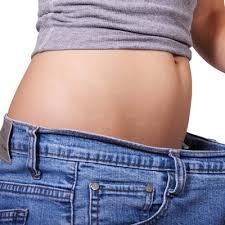

Major weight loss can be an exciting and rewarding achievement. After working hard to lose a substantial amount of weight, many people feel healthier, more active, and more confident. However, there can also be an unexpected concern: excess, loose skin. When the skin has been stretched for a long time, it may not completely return to its previous shape even after reaching a stable weight.
This is where Post-Weight Loss Surgery in Dubai can become an option worth exploring. Body contouring procedures are designed to remove excess skin and reshape areas that may have changed significantly after weight loss. Depending on individual needs, treatment may focus on the abdomen, arms, thighs, breasts, back, or several areas.
Understanding the available options is an important first step. Every person's weight-loss journey is different, so treatment should be based on individual anatomy, health, skin quality, and desired results.
What Is Post-Weight Loss Surgery?
Post-weight loss surgery is a group of surgical body contouring procedures intended for people who have experienced significant weight reduction and are left with excess skin or tissue.
Weight loss can reduce the volume beneath the skin, but the skin itself may remain stretched. This can result in folds or loose areas that do not respond significantly to exercise or further dieting.
Body contouring focuses on improving these areas rather than causing additional weight loss. Common procedures include:
- Tummy tuck
- Arm lift
- Thigh lift
- Lower body lift
- Breast lift
- Back lift
- Combination body contouring
The appropriate procedure depends on where excess skin is present and how much correction is needed.
Why Does Loose Skin Develop After Weight Loss?
The skin contains collagen and elastin, which help it stretch and return toward its original shape. When the skin has been stretched considerably for an extended period, its ability to retract may become limited.
Several factors can affect the amount of excess skin remaining after weight loss, including:
- The amount of weight lost
- Age
- Genetics
- Skin elasticity
- How long the skin was stretched
- The speed of weight loss
- Pregnancy history
- Lifestyle factors
Because these factors vary considerably, two people with similar weight-loss results can have very different amounts of loose skin.
Common Areas Treated After Weight Loss
Abdomen
The abdomen is one of the most common areas affected by significant weight loss. Loose skin may hang around the lower abdomen and create folds.
A tummy tuck can remove selected excess skin and improve abdominal contour. In some cases, weakened abdominal tissues may also be addressed as part of the procedure.
Upper Arms
Loose skin on the upper arms can be particularly noticeable after substantial weight reduction. An arm lift can remove excess skin and improve the overall shape of the upper arm.
Thighs
The inner thighs may develop loose skin following major weight loss. A thigh lift can reshape the area and remove excess tissue where appropriate.
Breasts
Weight loss can change breast volume and leave the skin stretched or sagging. A breast lift may help reposition and reshape the breasts.
Back and Waist
Excess skin can also develop around the back, sides, and waist. Depending on the individual, a body lift or other contouring procedure may be considered.
Tummy Tuck After Weight Loss
A tummy tuck, also called abdominoplasty, is frequently considered by people who have loose abdominal skin after weight reduction.
The procedure involves removing excess skin and reshaping the abdominal area. Depending on the patient's needs, abdominal muscles or supporting tissues may also be addressed.
It is important to understand that a tummy tuck is not a weight-loss procedure. Ideally, patients should already be close to their target weight and maintain a relatively stable weight before surgery.
Arm Lift for Excess Upper-Arm Skin
An arm lift may be suitable when weight loss has left a significant amount of loose skin around the upper arms.
The procedure focuses on removing excess skin and creating a smoother contour. While exercise can strengthen the underlying muscles, it cannot always remove substantial amounts of loose skin.
A personalized assessment helps determine whether an arm lift is appropriate and what approach may provide the best result.
Thigh Lift for Loose Skin
Loose skin around the thighs can affect appearance and comfort. Some people may experience skin rubbing during walking or exercise.
A thigh lift can address selected areas of excess skin and improve the contour of the legs. Recovery requirements vary depending on the technique and extent of treatment.
Lower Body Lift
A lower body lift can be considered when excess skin affects multiple areas around the lower torso.
Depending on individual anatomy, it may address portions of the abdomen, waist, hips, buttocks, and thighs. Because it involves a larger treatment area, careful planning and recovery preparation are especially important.
Benefits of Post-Weight Loss Surgery
There are several potential benefits associated with body contouring after significant weight loss.
Removes Excess Skin
One of the main purposes is to remove skin that has become loose and does not respond to exercise or lifestyle changes.
Creates Smoother Contours
Body contouring can improve transitions between treated areas and create a more streamlined appearance.
May Improve Clothing Fit
Excess skin can make certain clothes feel tight or uncomfortable. Removing unnecessary tissue may allow clothing to fit more comfortably.
Can Improve Physical Comfort
Skin folds can sometimes rub against one another, especially during exercise or warm weather. Reducing excess tissue may improve everyday comfort.
Supports Body Confidence
Some individuals feel that surgery helps their external appearance better reflect the progress they achieved through weight loss.
Results and experiences vary, so it is important to maintain realistic expectations.
Who Is a Suitable Candidate?
Not everyone who loses weight needs or should undergo surgery.
A potential candidate is generally someone who:
- Has experienced significant weight loss
- Has maintained a relatively stable weight
- Has excess skin that does not respond to lifestyle changes
- Is in suitable general health
- Understands the risks and recovery requirements
- Has realistic expectations
If you are still planning to lose a substantial amount of weight, it may be advisable to discuss the timing of surgery before proceeding.
How to Prepare for Surgery
Good preparation can make the treatment journey more manageable.
Before surgery, your medical team may discuss your medical history, medications, lifestyle, previous surgeries, and weight stability. You may also receive instructions concerning nutrition, physical activity, smoking, medications, and other factors that can influence healing.
Preparing your home before surgery can also be helpful. Arrange comfortable clothing, necessary supplies, and assistance with daily activities if required.
Most importantly, follow all preoperative instructions provided by your medical team.
What Happens During Recovery?
Recovery depends on the type and extent of surgery.
Temporary swelling, bruising, tightness, and discomfort may occur during the initial healing period. Your medical team may recommend compression garments and specific wound-care instructions.
Walking gently may be encouraged when appropriate, but strenuous exercise and heavy lifting generally need to wait until you receive clearance.
Your body will continue changing as swelling decreases and tissues heal. Final results may take time to become apparent.
How Long Do Results Last?
The excess skin removed during surgery does not return in the same form. However, natural aging and major future weight changes can alter your body shape.
Maintaining a stable weight, following healthy lifestyle habits, and protecting your overall health can help preserve your results.
Choosing Post-Weight Loss Surgery in Dubai
When considering Post-Weight Loss Surgery in Dubai, it is important to look beyond the procedure itself. Choosing an appropriate medical facility and qualified surgical team is an important part of the process.
Consider factors such as:
- Surgical qualifications and experience
- Facility standards
- Personalized treatment planning
- Safety protocols
- Preoperative assessment
- Postoperative care
- Follow-up support
- Clear communication about expected results
A detailed consultation allows your needs to be assessed before deciding which procedure is appropriate.
Tajmeels Clinic can be included in your research when exploring post-weight loss body contouring and related aesthetic treatment options.
Frequently Asked Questions
Can exercise remove loose skin after major weight loss?
Exercise can strengthen muscles and improve overall body composition, but it generally cannot remove significant amounts of loose skin. Surgical body contouring may be considered when excess skin is substantial.
Do I need to reach my target weight first?
Stable weight is generally preferred before body contouring because significant weight changes afterward can affect surgical results. Your individual timing should be discussed with a qualified medical professional.
Can several areas be treated?
Multiple areas may sometimes be addressed as part of a staged or combined treatment plan. The safest approach depends on your health, anatomy, and the extent of surgery required.
Are scars expected?
Yes. Body contouring requires incisions, so some degree of scarring is expected. The size and location depend on the procedure, while healing varies from person to person.
Is Post-Weight Loss Surgery a weight-loss treatment?
No. Post-weight loss surgery is designed primarily to remove excess skin and improve body contours. It should not be considered a substitute for weight management.
Conclusion
Reaching a major weight-loss goal can be an important milestone, but loose skin may prevent some people from feeling fully comfortable with their new body shape. Post-Weight Loss Surgery in Dubai provides several body contouring options that can address excess skin in areas such as the abdomen, arms, thighs, breasts, waist, and back.
The best treatment depends on your individual body, weight-loss history, health, and aesthetic goals. Taking time to understand your options, preparing properly, and choosing an experienced medical team can help you approach the process with confidence and realistic expectations. Tajmeels clinic can be considered when researching body contouring options following significant weight loss.
