Recovery after breast reduction surgery is a delicate period that requires patience, discipline, and attention to your body’s signals. Breast Reduction Surgery in Riyadh While most patients are eager to return to normal life, making certain mistakes during recovery can delay healing, increase discomfort, or compromise your surgical results. Understanding what to avoid helps you protect your investment and achieve the best possible outcome.
This guide highlights common recovery mistakes and how to avoid them. Breast Reduction Surgery in Riyadh professionals emphasize patient education as part of comprehensive care. The best breast reduction surgery in Saudi Arabia outcomes are supported by patients who follow recovery guidelines.
Returning to Work Too Soon
One of the most common mistakes is returning to work before your body is ready. Even if you feel fine, your tissues are still healing. Desk jobs may allow a return in 1–2 weeks, but physically demanding jobs require more time. Returning too early can lead to fatigue, pain, and delayed healing.
Give your body time to heal. Breast Reduction Surgery in Riyadh surgeons provide clear return-to-work timelines.
Lifting Heavy Objects Prematurely
Lifting anything heavier than 5–10 pounds—including children, groceries, or laundry—can strain your incisions and affect your results. Avoid lifting, pushing, or pulling for at least 4–6 weeks. Even if you feel strong, your internal tissues are still fragile.
Heavy lifting can compromise results. Breast reduction surgery in Saudi Arabia providers stress the importance of avoiding strain.
Ignoring Pain and Pushing Through Discomfort
Pain is your body’s way of signaling that you are overdoing it. Taking pain medication as prescribed is important, but you should also rest when you feel discomfort. Pushing through pain can cause complications and prolong recovery.
Listen to your body’s signals. Breast Reduction Surgery in Riyadh professionals encourage rest and medication adherence.
Skipping Follow-Up Appointments
Some patients skip follow-up appointments because they feel fine. However, these visits allow your surgeon to monitor healing, check for complications, and remove sutures if needed. Missing an appointment could delay detection of issues like infection or poor wound healing.
Follow-ups are essential. Breast reduction surgery in Saudi Arabia surgeons schedule these to ensure your recovery is on track.
Wearing an Improper Bra
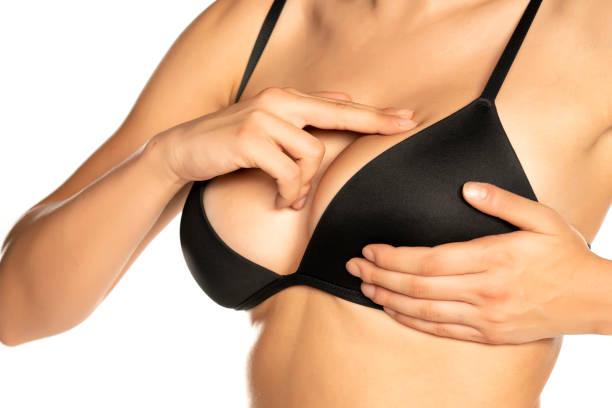
Wearing the wrong type of bra—such as an underwire or unsupportive style—can affect implant settling and healing. Use the surgical bra provided by your surgeon and follow their guidance on when to transition to other bras.
Proper support is key to healing. Breast Reduction Surgery in Riyadh providers give clear bra recommendations.
Not Monitoring for Infection or Complications
Infections can develop even with excellent care. Watch for signs such as fever, redness, warmth, or discharge from incisions. Early detection and treatment are essential for a safe recovery.
Stay vigilant for signs of infection. Breast reduction surgery in Saudi Arabia professionals encourage patients to report symptoms immediately.
Overlooking Mental and Emotional Health
Recovery can be emotionally challenging. Fatigue, changes in routine, and physical limitations can lead to frustration or mood swings. Ignoring your emotional well-being can make recovery feel longer and more difficult.
Mental health matters during recovery. Breast Reduction Surgery in Riyadh professionals encourage emotional support.
Getting Back Into Exercise Too Quickly
Even if you feel energetic, high-impact activities—such as running, weightlifting, or yoga—should be avoided until cleared by your surgeon. Starting too soon can cause swelling, bleeding, or implant displacement.
Exercise should be reintroduced gradually. Breast reduction surgery in Saudi Arabia providers give phased activity guidelines.
Wearing Makeup or Lotions on Incisions
Applying makeup, lotion, or oils to healing incisions can introduce bacteria and cause irritation. Only use products approved by your surgeon, and keep incisions clean and dry until fully healed.
Incision care is essential. Breast Reduction Surgery in Riyadh surgeons provide clear wound care instructions.
Neglecting Scars
Scar management begins early. Silicone gels, sheets, and massage (once cleared) can help scars fade and flatten. Neglecting scar care can lead to more visible scarring.
Scar care supports aesthetic outcomes. Breast reduction surgery in Saudi Arabia providers recommend scar management products.
Trying to Clean Incisions Yourself
Some patients attempt to scrub or clean incisions with harsh products. This can disrupt healing and increase infection risk. Follow your surgeon’s specific cleaning instructions—usually gentle washing with mild soap and water.
Let your surgeon guide wound care. Breast Reduction Surgery in Riyadh professionals emphasize proper cleansing techniques.
Assuming All Pain Is Normal
While some pain is expected, severe or worsening pain—especially with swelling, fever, or discharge—may indicate a complication. Always report unusual symptoms to your surgeon.
Don't dismiss severe pain. Breast reduction surgery in Saudi Arabia providers encourage patients to communicate concerns.
For those seeking expert guidance and customized aesthetic care, you can book an appointment consultation at the Enfield Royal Clinic.
Frequently Asked Questions
How long should I wait to lift heavy objects?
Avoid lifting anything over 5–10 pounds for at least 4–6 weeks after surgery.
When can I resume exercise after breast reduction?
Light walking is encouraged, but full exercise resumes at 6–8 weeks.
Why are follow-up appointments important?
They allow your surgeon to monitor healing and detect complications early.
Can I wear underwire bras after surgery?
Avoid underwire bras until your surgeon says it is safe, usually several weeks post-op.
What should I do if I notice signs of infection?
Contact your surgeon immediately if you have fever, redness, or discharge from incisions.