

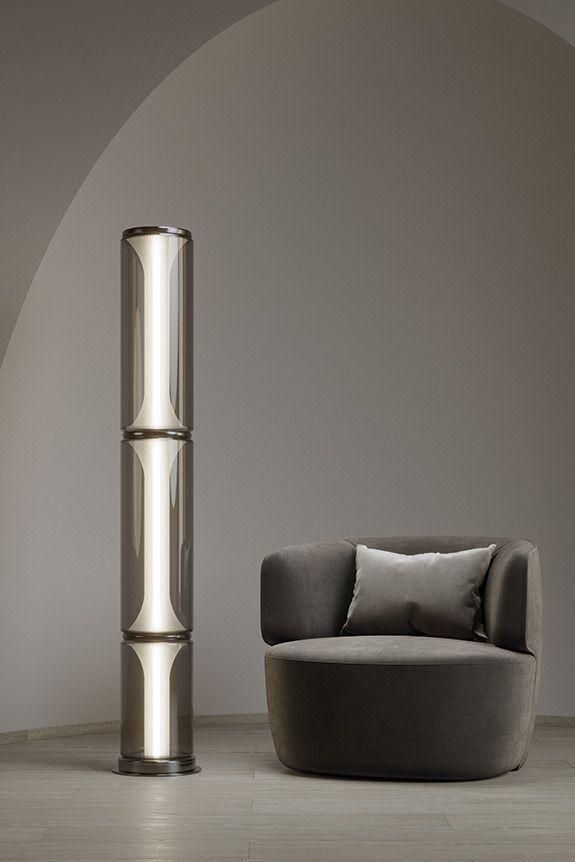

A new villa provides something many existing homes cannot: the opportunity to plan lighting before walls, ceilings, furniture, and finishes are finalised.
That freedom makes a major difference. Instead of trying to fit fixtures around an established layout, homeowners can create an illumination strategy that follows the architecture.
Large entrances, double-height spaces, wide corridors, outdoor terraces, formal dining rooms, and private bedrooms may all require different treatments. The goal is not simply to make every area bright. It is to establish depth, hierarchy, comfort, and visual continuity.
Build a Lighting Concept Room by Room
A villa benefits from an overall concept rather than disconnected decisions.
Start with the entrance. The arrival area establishes the atmosphere of the home, so lighting should complement architectural proportions without creating unnecessary glare.
Living areas can then become more layered. General illumination provides visibility, while decorative fixtures and carefully positioned sources add warmth.
Bedrooms should feel quieter and more personal. Bathrooms require practical visibility around mirrors and grooming areas. Corridors need enough illumination for safe movement without becoming excessively bright.
Give Each Space Its Own Character
A consistent lighting language does not mean every room needs identical fixtures.
Instead, maintain a connection through colour temperature, finishes, control systems, and visual proportions. Individual rooms can then have their own identity while still feeling part of the same home.
Make Statement Fixtures Part of the Design
Luxury interiors often benefit from one or two strong visual elements rather than a collection of competing pieces.
A large entrance pendant, sculptural dining fixture, or carefully selected cluster can become an architectural focal point.
When choosing Luxury Table Lamps, consider them as part of the furniture composition rather than independent accessories. Their shape, height, material, and illumination should relate to nearby surfaces and furnishings.
A statement piece works best when the surrounding design gives it enough visual breathing room.
Use Vertical Space Intelligently
Tall villas often have generous vertical volume. That creates opportunities that standard-height homes do not have.
Double-height entrances can accommodate dramatic suspended fixtures. Tall staircases can be highlighted with carefully positioned illumination. Vertical wall surfaces can also become part of the lighting composition.
Avoid Filling Every Empty Area
Large walls and ceilings do not need to be covered with fixtures simply because space is available.
Too many visual elements can weaken the architectural effect.
Instead, identify areas where light can emphasise height, texture, or geometry. The empty space between fixtures can be just as important as the fixtures themselves.
Coordinate Lighting With Materials
Marble, timber, glass, metal, stone, fabric, and painted surfaces respond differently to illumination.
Glossy finishes can reflect light, while textured surfaces create shadows. Dark materials may require stronger consideration of brightness and contrast.
Before selecting fixtures, review material samples under the intended lighting conditions. A finish that looks one way under daylight may appear completely different in warm artificial illumination.
Pay Attention to Reflective Surfaces
Mirrors can amplify light but may also produce uncomfortable reflections.
Glass and polished stone can create glare when fixtures are poorly positioned. Planning angles in advance helps preserve visual comfort.
Give Bedrooms a Softer Treatment
Bedrooms should support relaxation.
Instead of relying heavily on overhead illumination, consider a combination of bedside sources, subtle ceiling fixtures, concealed lighting, and controlled accent illumination.
Separate controls allow the occupant to create a low-light environment without making the room completely dark.
Dressing areas, however, need more functional visibility. Mirror lighting should illuminate the face evenly rather than creating strong shadows from above.
Create Layers Instead of One Bright Source
A sophisticated villa rarely depends on one ceiling fixture per room.
General illumination should establish comfortable visibility. Task sources should support specific activities. Decorative lighting can then add character.
Floor Lighting/إضاءة أرضية is particularly useful when you want to introduce illumination at a lower level. It can create depth in living rooms, highlight architectural features, or provide a softer alternative to overhead sources.
This layered approach also makes rooms easier to adapt throughout the day.
Make Dining Areas Visually Important
Dining spaces often act as social centres in large villas.
A suspended fixture above the table can define the area within an open-plan layout. Its scale should relate to the table, ceiling height, and surrounding furniture.
The light should be comfortable for conversation while providing sufficient illumination across the dining surface.
Consider Outdoor Areas Early
A villa's lighting strategy should not stop at the interior walls.
Terraces, balconies, pathways, gardens, pools, and entrance drives all influence the evening appearance of the property.
Outdoor illumination should support safe movement while avoiding excessive brightness. Layered sources can highlight landscaping, architectural surfaces, and circulation routes without making the exterior feel overlit.
Plan Controls During Construction
A new build offers the chance to create a sophisticated control system from the start.
Separate circuits, dimming, scene settings, and room-based controls can make a large property much easier to manage.
For example, a single evening setting might reduce overhead brightness while activating selected decorative and architectural sources.
This is far more flexible than controlling every fixture together.
Think Long Term
Luxury lighting should remain practical after the initial excitement of installation.
Choose durable fixtures, accessible components, appropriate drivers, and finishes that suit the environment. High-level installations should also have a realistic maintenance plan.
A beautiful fixture becomes less appealing if replacing a component requires major disruption.
Finish With Balance
The best villa lighting is rarely the brightest. It is the most considered.
Good planning follows the architecture, complements materials, creates comfortable layers, and gives each room a clear purpose. Statement pieces become focal points rather than distractions, while subtle sources provide depth around them.
A new villa offers the ideal opportunity to get these decisions right from the beginning. When lighting is integrated into the architectural plan, the property can feel welcoming in the morning, sophisticated in the evening, and effortlessly comfortable throughout the day.
