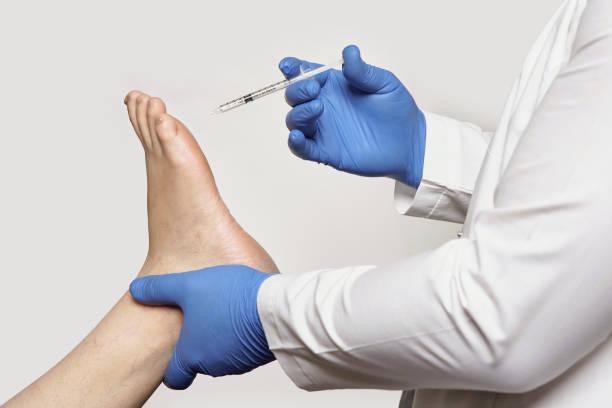
Excessive foot sweating is more than just a minor inconvenience—it is a medical condition that can significantly impact your quality of life. If you have been struggling with sweaty feet, you have likely tried numerous remedies without finding lasting relief. Now, you are considering Botox as a potential solution, but you may be wondering whether it is the right treatment for your specific condition.
Botox injections for sweaty feet in Dubai are a highly effective treatment for plantar hyperhidrosis, the medical term for excessive foot sweating. However, it is not suitable for everyone. Understanding your candidacy is the first step toward making an informed decision. This article will help you determine whether Botox for sweaty feet in Dubai is right for your condition, exploring the candidacy criteria, the types of hyperhidrosis, and what you can expect from the treatment.
Understanding Your Condition
Before determining if Botox is right for you, it is important to understand your condition.
What Is Plantar Hyperhidrosis?
Plantar hyperhidrosis is a medical condition characterized by abnormally high levels of sweating on the feet. While sweating is a natural and necessary bodily function that helps regulate temperature, plantar hyperhidrosis involves sweating that is excessive and not necessarily related to heat or physical activity.
Key Features:
-
Excessive Sweating: Sweating that is significantly more than what is needed for temperature regulation.
-
Unpredictable: Sweating occurs regardless of temperature or activity level.
-
Impactful: The condition affects daily activities, social interactions, and quality of life.
Primary vs. Secondary Hyperhidrosis
Understanding the type of hyperhidrosis you have is important for determining the right treatment.
Primary Hyperhidrosis:
-
No underlying medical cause.
-
Typically affects specific areas like the feet, hands, or underarms.
-
Often begins in childhood or adolescence.
-
May have a genetic component.
Secondary Hyperhidrosis:
-
Caused by an underlying medical condition or medication.
-
Often affects the entire body.
-
Examples include thyroid disorders, menopause, or certain medications.
How Hyperhidrosis Is Diagnosed
A proper diagnosis is essential for determining the right treatment.
Diagnostic Methods:
-
Medical History: Your practitioner will review your medical history and symptoms.
-
Physical Examination: They will examine the affected areas.
-
Sweat Tests: Tests such as the starch-iodine test or gravimetric test may be used to measure sweating.
-
Blood Tests: May be used to rule out underlying conditions.
Candidacy Criteria for Botox for Sweaty Feet
To determine if Botox for sweaty feet is right for your condition, consider the following criteria.
Ideal Candidates
1. Diagnosed Plantar Hyperhidrosis:
2. Failed Conservative Treatments:
-
You have tried conservative treatments such as antiperspirants, powders, or iontophoresis without adequate relief.
-
You are looking for a more effective, long-lasting solution.
3. Good General Health:
4. Realistic Expectations:
5. Non-Smoker:
6. No Active Infections:
7. No Allergies:
Who May Not Be a Good Candidate
1. Pregnant or Breastfeeding Women:
2. Active Infections:
3. Allergies:
4. Neuromuscular Disorders:
5. Bleeding Disorders:
6. Unrealistic Expectations:
7. Severe Secondary Hyperhidrosis:
Questions to Ask Yourself
Before your consultation, ask yourself these questions:
-
"Have I been diagnosed with plantar hyperhidrosis?"
-
"Have I tried other treatments without success?"
-
"How does sweating affect my daily life and confidence?"
-
"Do I have realistic expectations about Botox?"
-
"Am I in good overall health?"
-
"Am I willing to undergo repeat treatments?"
The Consultation: Your Opportunity to Determine Candidacy
The consultation is the most important step in determining if Botox is right for your condition.
What Happens During the Consultation
1. Assessment:
2. Medical History Review:
3. Diagnosis Confirmation:
4. Candidacy Determination:
5. Treatment Plan:
Questions to Ask Your Practitioner
-
"Is Botox the right treatment for my condition?"
-
"What results can I realistically expect?"
-
"How long will the results last?"
-
"What are the risks and potential side effects?"
-
"How many injections will I need?"
-
"How often will I need repeat treatments?"
What to Expect from Botox for Sweaty Feet
Understanding what to expect can help you determine if Botox is right for your condition.
The Results
-
Significant Reduction: Most patients experience an 80-90% reduction in sweating.
-
Improved Quality of Life: Drier feet, reduced odor, and greater confidence.
-
Long-Lasting: Results typically last 4 to 8 months.
The Commitment
The Alternatives
If Botox is not right for your condition, there are other options:
-
Antiperspirants: Over-the-counter or prescription-strength antiperspirants.
-
Iontophoresis: A device that uses electrical currents to reduce sweating.
-
Oral Medications: Prescription medications that reduce sweating.
-
Surgery: Sympathectomy, a surgical procedure to cut the nerves that control sweating.
Frequently Asked Questions
1. Is Botox for sweaty feet right for my condition?
Botox is right for plantar hyperhidrosis if you have a confirmed diagnosis, have tried other treatments without success, and are in good health.
2. What type of hyperhidrosis does Botox treat?
Botox treats primary plantar hyperhidrosis and can also help with secondary hyperhidrosis if the underlying condition is managed.
3. Can Botox cure hyperhidrosis?
No, Botox does not cure hyperhidrosis. It provides temporary relief by blocking the nerves that stimulate sweating.
4. How do I know if I have primary or secondary hyperhidrosis?
Your practitioner can diagnose the type of hyperhidrosis through medical history, physical examination, and tests.
5. What if I have tried other treatments without success?
If you have tried conservative treatments without relief, Botox may be a good option for you.
6. Can I have Botox if I am taking blood thinners?
You may not be a good candidate if you are taking blood thinners. Discuss this with your practitioner.
7. Can I have Botox if I am pregnant?
Botox is not recommended during pregnancy or breastfeeding.
8. How do I know if I am a good candidate?
A consultation with a qualified practitioner will determine your candidacy.
9. What are the alternatives to Botox?
Alternatives include antiperspirants, iontophoresis, oral medications, and surgery.
10. Is Botox covered by insurance?
Some insurance plans may cover Botox for hyperhidrosis if deemed medically necessary. Check with your provider.
Your Journey to the Right Treatment
Determining if Botox for sweaty feet in Dubai is right for your condition is a personal journey that requires careful consideration and professional guidance. By understanding your condition, assessing your candidacy, and consulting with a qualified practitioner, you can make an informed decision that leads to effective relief and improved quality of life. Whether Botox is the right choice or another treatment is more suitable, the goal is to find a solution that works for you.
At Tajmeels Clinic, we are committed to helping you determine if Botox is right for your condition. Our experienced practitioners take the time to understand your concerns, assess your candidacy, and develop a personalized treatment plan that addresses your specific needs. We use genuine Botox products and advanced techniques to ensure your safety and satisfaction. Contact us today to schedule your consultation and take the first step toward effective relief and renewed confidence.