

Nose Tip Plasty in Islamabad: Enhancing Nasal Tip Shape for Better Facial Harmony
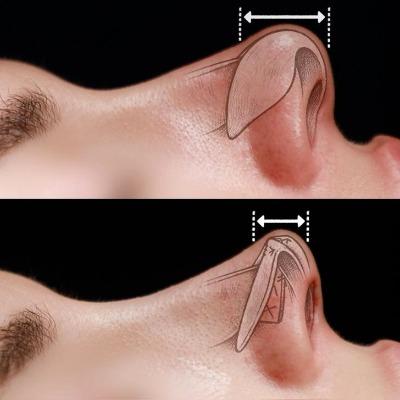
The nasal tip can strongly influence the overall appearance of the nose because it contributes to its width, projection, contour, and definition. When the tip appears too broad, rounded, uneven, or lacks refinement, it may affect how the nose looks in relation to other facial features. For individuals who want to address these concerns specifically, nose tip plasty in islamabad offers a focused surgical approach based on individual nasal structure and aesthetic goals.
What Is Nose Tip Plasty?
Nose tip plasty is a cosmetic procedure that concentrates on reshaping or refining the nasal tip. Depending on the patient's anatomy, the surgeon may carefully adjust the cartilage responsible for supporting and defining the tip.
The procedure can be tailored to address particular concerns rather than automatically changing the entire nose.
This makes it a potential option for individuals whose primary aesthetic concerns are limited to the nasal tip.
Why Does the Nasal Tip Affect Facial Appearance?
The nasal tip occupies a central position on the face. Its size and shape can influence how the entire nose appears from the front, side, and angled views.
For example, a broad tip can make the lower nose look wider, while a downward-facing tip may make the nose appear longer.
Small structural differences can therefore have a noticeable effect on overall facial balance.
Common Concerns Addressed by Tip Plasty
Patients may seek nasal tip refinement for several different reasons, including:
-
Wide nasal tip
-
Bulbous appearance
-
Rounded contour
-
Poor definition
-
Uneven shape
-
Downward-facing tip
-
Excessive projection
-
Limited projection
-
Certain forms of asymmetry
The appropriate approach depends on the specific structural cause of the concern.
The Role of Cartilage
Cartilage forms the supporting framework of the nasal tip. Its shape, size, strength, and position influence how the tip looks.
During surgery, the surgeon may carefully reshape or reposition selected cartilage structures.
Maintaining adequate support is important when modifying the nasal tip, which is why the procedure requires careful planning.
How Skin Thickness Can Affect Results
The skin covering the nasal tip can influence how clearly the underlying structure is visible.
Thicker skin may soften the appearance of structural changes, while thinner skin may show contours more clearly.
These characteristics are considered during treatment planning so that expectations remain realistic.
Evaluating Facial Proportions
A nasal tip should complement the rest of the nose and the patient's facial features.
During consultation, the surgeon may examine the relationship between the nasal tip, bridge, lips, chin, and other facial structures.
Looking at the nose from several angles helps create a treatment plan that focuses on overall harmony rather than one isolated feature.
Refining a Broad Tip
A broad tip may appear prominent from the front. In suitable cases, carefully planned refinement can help improve the proportions of the lower nose.
The surgeon first determines what contributes to the width.
Because cartilage and soft tissue vary among patients, the degree of refinement should be individualized.
Improving a Bulbous Tip
A bulbous tip can appear rounded and less defined. Depending on the underlying structure, surgical refinement may help create a more balanced contour.
The goal is not necessarily to make the tip extremely small or pointed.
Instead, the surgeon aims for a shape that fits naturally with the patient's facial proportions.
Creating Greater Definition
Some individuals may want their nasal tip to appear more refined and clearly outlined.
When the anatomy is suitable, structural changes may improve the definition of the tip.
However, skin and soft tissue can affect the visibility of these changes. Patients should discuss their expected level of refinement during consultation.
Adjusting Nasal Tip Projection
Projection refers to how far the tip extends outward from the face. It can influence the side profile and the relationship between the tip and bridge.
Excessive projection can make the tip appear prominent, while insufficient projection may contribute to a less defined appearance.
If projection is a concern, the surgeon can assess whether modification may be appropriate.
Addressing Tip Rotation
The direction of the nasal tip can influence the apparent length and profile of the nose.
A downward-facing tip may contribute to a longer-looking nose, while excessive upward rotation can change the character of the profile.
When appropriate, tip rotation can be considered as part of the surgical plan.
What Is Recovery Like?
Patients may experience swelling and tenderness following nasal tip surgery. Swelling can remain around the tip during the early healing period and may temporarily affect its appearance.
Protecting the nose from pressure and accidental impact is important during recovery.
Patients should also follow their surgeon's postoperative instructions and attend recommended follow-up appointments.
Understanding the Healing Process
The final appearance of the nasal tip does not develop immediately. Early swelling may make the tip look less refined than it will after healing.
As the tissues gradually settle, the contours can become clearer.
Every patient heals at a different rate, so sufficient recovery time is necessary before assessing the final result.
Is Tip Plasty Suitable for Everyone?
Tip plasty may be appropriate for individuals whose concerns are mainly related to the nasal tip.
However, patients who want changes to the bridge, nasal bones, overall nasal width, or several other areas may require a broader surgical assessment.
A consultation can help determine which approach best matches the patient's goals.
Planning for a Successful Consultation
Patients should explain what they would like to improve and what kind of appearance they hope to achieve.
Discussing concerns about width, definition, projection, rotation, or symmetry can help the surgeon understand the desired outcome.
It is equally important to discuss recovery, realistic expectations, and possible limitations before proceeding.
Final Thoughts
Nose tip plasty can provide a focused way to refine the nasal tip and address concerns involving its width, shape, definition, projection, rotation, or symmetry. Since every patient has different cartilage, skin, soft-tissue characteristics, and facial proportions, individualized assessment is essential for appropriate treatment planning. If you are considering nasal tip refinement and want to explore your options with a professional team, Enfield Royal Clinic Islamabad F7 Markaz can provide personalized consultation and guidance.
