

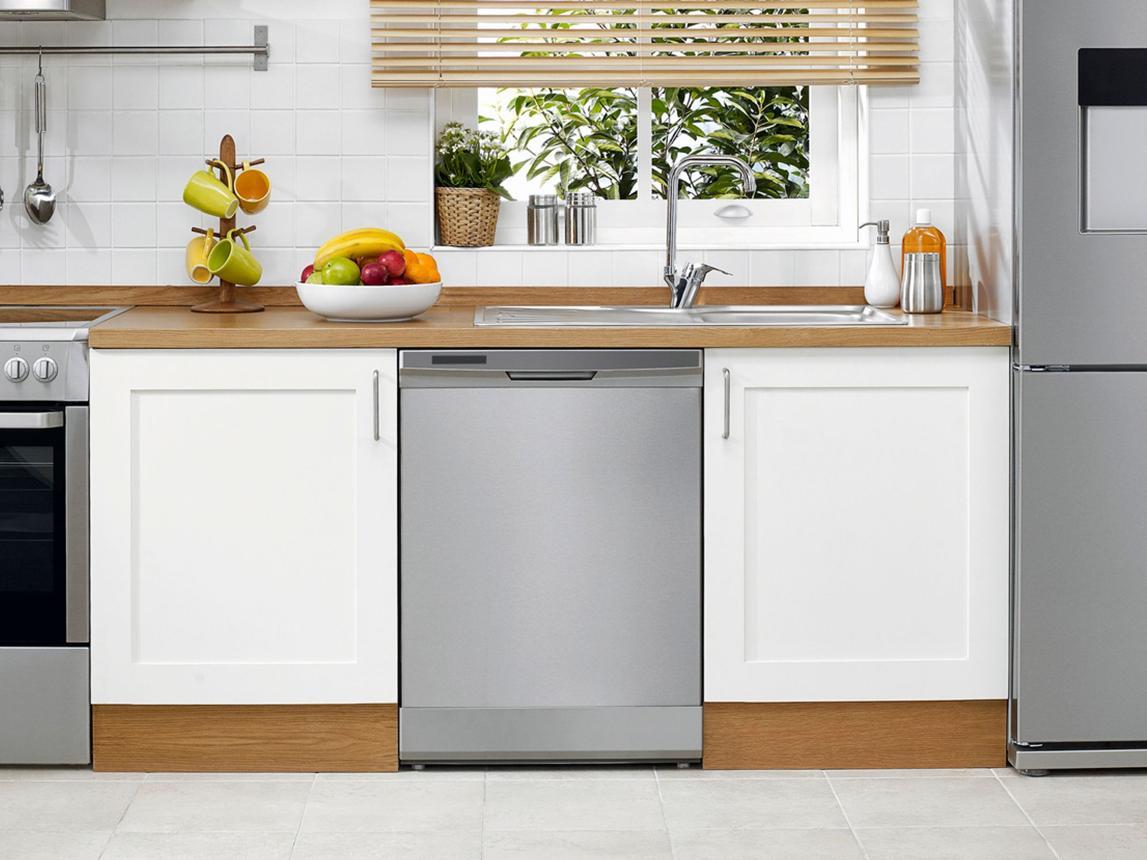

The Europe Dishwasher Industry is undergoing significant innovation, driven by the demand for smart connectivity, sustainability, and premium design. According to a Europe Dishwasher Industry analysis, key trends include the integration of IoT and AI-enabled features, the development of water-efficient technologies, and a focus on circular economy and repairable designs. These trends are reshaping the industry and creating new opportunities for growth.
Market Dynamics
Integration of IoT and Smart Connectivity Features
The integration of smart connectivity features is a key innovation trend. Smart dishwashers with Wi-Fi connectivity, remote diagnostics, and AI-driven cycle optimization are gaining popularity. According to Berg Insight, 58 million EU households were connected in 2024, with smart kitchen adoption growing at 14% annually . Leading brands such as Bosch and Miele have capitalized on this trend by embedding Wi-Fi, remote diagnostics, and AI-driven cycle optimization into their premium lines. Smart models now account for more than 40% of premium dishwasher sales in Germany and Austria . Voice assistant compatibility further enhances convenience for time-constrained households .
Focus on Sustainability and Circular Economy
Sustainability is a major trend, with Europe's push toward circular economy models driving demand for modular and repairable designs. Under the European Commission's Sustainable Products Initiative, all new dishwashers sold in the EU from 2025 must feature modular construction and readily available spare parts for at least ten years . Manufacturers are designing for longevity rather than obsolescence, with models featuring snap-fit panels and tool-free rack systems that reduce repair times. Consumer sentiment supports this pivot, with 68% of EU citizens willing to pay a 10-15% premium for easily repairable appliances .
Advanced Cleaning and Water-Efficient Technologies
Technological advancements in cleaning performance and water efficiency are key drivers of innovation. Manufacturers are introducing advanced washing systems, energy-efficient motors, and optimized drying technologies to comply with strict European environmental regulations. The focus on reducing water and energy consumption is a major competitive differentiator. In September 2025, Electrolux launched the new AEG "FAVORIT" dishwasher range at IFA 2025 in Berlin, designed for reduced noise operation, lower water consumption, and high energy-efficiency ratings .
Premiumization and Design Integration
The premiumization trend is driving demand for dishwashers that combine advanced technology with aesthetic design. Consumers are increasingly seeking appliances that complement modern kitchen interiors. The growing trend toward open-plan kitchen environments and modern built-in installations is fueling demand for high-end, integrated dishwasher systems that offer low-noise operation, smart connectivity, and premium design .
Regional Outlook
The innovation trends are most pronounced in Western Europe, where high consumer awareness and regulatory support drive demand for smart and sustainable appliances. Germany, the U.K., and France are leading markets for smart and connected dishwashers. Eastern European markets are also showing growing interest in energy-efficient and smart models.
Competitive Landscape
The competitive landscape is increasingly defined by the ability to innovate in smart technology, sustainability, and premium design. Companies that can offer connected, energy-efficient, and stylish dishwashers are gaining a competitive edge. Investment in R&D and localized production is a key strategy for market leaders.
Conclusion
The Europe Dishwasher Industry is evolving through innovation in smart connectivity, sustainability, and premium design. Companies that can successfully lead in these areas are well-positioned for future growth.
FAQs
1. What are the key innovation trends in the Europe Dishwasher Industry?
Key trends include IoT and smart connectivity integration, a focus on sustainability and circular economy models, and advanced cleaning and water-efficient technologies.
2. How is sustainability impacting the Europe Dishwasher Market?
Sustainability is driving demand for modular and repairable designs, with new EU regulations requiring spare parts availability for at least ten years and promoting circular economy principles .
