


Represent Streetwear: A UK Guide to Building Better Everyday Outfits
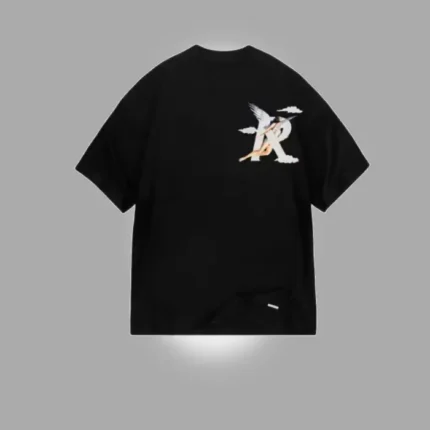
Represent T-Shirt styling can provide a strong foundation for a modern wardrobe because a simple T-shirt can adapt to remarkably different outfits. It can sit beneath an overshirt on a cool afternoon, pair with relaxed denim for a casual day or work with tailored trousers when the occasion calls for something more polished. That versatility is one of the reasons contemporary streetwear continues to influence fashion across the UK.
Today's streetwear is less about following a single formula and more about combining familiar garments in thoughtful ways. Relaxed silhouettes can sit alongside cleaner tailoring, while practical outerwear can be paired with everyday basics. The result can be minimal, expressive, sporty or refined.
For British shoppers, functionality matters too. Changing temperatures and unpredictable rain make adaptable clothing especially valuable. Rather than building separate wardrobes for every season, a considered selection of layers can provide much greater flexibility.
The best place to start is with fundamentals. Understanding fit, proportion, colour, fabric, footwear and layering can make everyday styling easier while giving you room to develop an individual point of view.
The Evolution of Streetwear in the UK
Streetwear has grown from distinct cultural movements into a broad influence on everyday clothing. Its history includes skateboarding, music, sport, workwear and youth culture, but modern interpretations have expanded far beyond those origins.
That evolution explains why streetwear can look different from one person to another.
Some wardrobes centre on oversized T-shirts and wide trousers. Others use clean basics, straight-leg denim and subtle accessories. Another approach might combine casual clothing with tailoring.
There is no single uniform.
Common streetwear foundations include:
-
Relaxed T-shirts
-
Hoodies and sweatshirts
-
Denim
-
Cargo trousers
-
Overshirts
-
Casual jackets
-
Weather-resistant outerwear
-
Trainers
-
Caps and functional bags
The important element is how these pieces interact.
A T-shirt and jeans may create a straightforward everyday outfit. Adding a cropped jacket and substantial trainers can shift the proportions and make the same foundation feel more contemporary.
This adaptability makes streetwear particularly practical for UK life, where one outfit may need to work across commuting, shopping, socialising and casual evenings.
Choosing a T-Shirt Based on Fit and Fabric
A T-shirt may be one of the simplest garments in a wardrobe, but its fit can determine the entire silhouette.
Regular fits generally create a cleaner outline. Relaxed fits provide more room through the body, while oversized cuts introduce noticeably more volume.
Your choice should depend on personal proportions and how you intend to style the rest of the outfit.
A person who prefers wide trousers may find that a shorter boxy T-shirt creates useful balance. Someone wearing straight denim might prefer a longer relaxed cut.
Fabric matters as well.
Heavier cotton can provide structure and help the garment maintain its shape. Lighter materials can be useful in warmer weather or underneath multiple layers.
Why Measurements Matter
A size label is not always a reliable indication of fit because cuts vary.
When buying online, compare:
-
Chest measurement
-
Shoulder width
-
Sleeve length
-
Body length
-
Overall cut
If you have a favourite T-shirt, measuring it can give you a practical benchmark.
For readers researching modern streetwear, Represent provides a useful reference point for exploring contemporary T-shirt proportions and casual styling.
However, the strongest choice is always the one that fits your own wardrobe, proportions and lifestyle.
Getting Proportion Right in Streetwear
Proportion determines how the different volumes in an outfit relate to one another.
An oversized T-shirt paired with straight-leg trousers creates a relatively balanced silhouette. The same T-shirt with very wide trousers produces more volume and therefore a more dramatic appearance.
Both can work.
The difference is intention.
Experiment With Volume
Try combinations such as:
-
Oversized T-shirt + straight jeans
-
Boxy T-shirt + relaxed cargos
-
Wide trousers + shorter outerwear
-
Loose denim + structured jacket
-
Relaxed hoodie + cleaner-cut trousers
These combinations are not rules. They are starting points for understanding how clothing interacts.
Length matters too. A long oversized T-shirt combined with wide trousers may create a very elongated silhouette. A shorter jacket or more defined footwear can help establish visual structure.
The same principle applies to outerwear. A large coat over already oversized clothing can create substantial volume, while a more structured jacket can provide contrast.
Once you understand these relationships, you can deliberately experiment with more exaggerated silhouettes.
Building a Streetwear Colour Palette
A coordinated wardrobe makes outfit planning much easier.
Black, white, grey, navy, cream, beige and olive are particularly useful because they can be combined in numerous ways. These colours provide a neutral foundation without requiring every garment to look identical.
Colour can then be introduced according to preference.
For example, a mostly neutral outfit can support a stronger T-shirt, jacket or pair of trainers. Alternatively, several muted colours can create a softer, more tonal appearance.
Three Practical Colour Formulas
Tonal:
Combine different shades of one colour, such as charcoal, grey and lighter grey.
Neutral plus accent:
Keep most of the outfit understated and use one stronger colour as the focal point.
High contrast:
Combine noticeably light and dark pieces for a sharper visual effect.
If you are developing a wardrobe from scratch, starting with versatile colours can make each new purchase easier to style.
Once you understand your preferred palette, you can introduce more distinctive shades without creating unnecessary combinations.
Layering Streetwear for British Conditions
The UK climate makes layering particularly useful.
Temperatures can change during the day, while rain and wind can arrive unexpectedly. A layered wardrobe allows you to respond without completely changing your outfit.
A practical structure is:
Base: T-shirt or long-sleeve top.
Middle: Hoodie, sweatshirt, overshirt or knit.
Outer: Jacket or coat appropriate to the weather.
The weight of each layer should be considered.
A heavyweight T-shirt beneath a thick hoodie may already provide plenty of warmth. Adding a heavy coat could make the outfit uncomfortable. In milder conditions, a T-shirt and lightweight overshirt may be sufficient.
Layering also introduces texture.
Combining cotton, denim, fleece, nylon and wool can add depth to an outfit even when the colours remain simple.
Avoid Unnecessary Bulk
Every layer should contribute something.
Before adding another garment, ask whether it provides:
-
Warmth
-
Weather protection
-
Texture
-
Shape
-
Practical functionality
If it provides none of these, removing it may actually improve the outfit.
Pairing T-Shirts With Denim and Cargos
The trousers you choose can completely change the appearance of a T-shirt-based outfit.
Denim
Straight-leg jeans are a reliable choice for everyday streetwear. Dark denim often feels cleaner and more refined, while faded washes create a more relaxed appearance.
Relaxed denim can also work particularly well with boxy T-shirts and substantial trainers.
Cargo Trousers
Cargo trousers bring a utilitarian influence. Their pockets and hardware provide additional visual detail, so simpler tops often create a more balanced result.
For a more contemporary silhouette, consider relaxed cargos with a boxy T-shirt and cropped or structured outer layer.
Wide-Leg Trousers
Wide trousers introduce more volume and can create a fashion-forward silhouette.
Pay attention to the hem. The way trousers sit over footwear can significantly affect the final appearance.
Tailored Trousers
Tailoring creates an interesting contrast with casual clothing. A relaxed T-shirt paired with tailored trousers and clean trainers can produce a smart-casual interpretation of streetwear.
This flexibility means one T-shirt can serve several purposes rather than being restricted to one type of outfit.
Selecting Footwear for Comfort and Balance
Footwear is both a practical requirement and a major part of streetwear styling.
Chunkier trainers tend to complement wide trousers because their visual weight balances the lower half of the silhouette. More streamlined footwear can suit straight-leg trousers or minimalist outfits.
Neutral footwear is generally easiest to combine.
Black, white, grey and off-white trainers can work with a broad range of clothing. More colourful footwear can become a focal point when the rest of the outfit is relatively quiet.
However, everyday footwear needs to work in real conditions.
Consider:
-
Walking comfort
-
Weather suitability
-
Ease of maintenance
-
Compatibility with your trouser shapes
-
Colour versatility
-
Frequency of use
A practical pair that works across several outfits will usually earn more wear than a statement pair that only suits one combination.
Accessories and the Importance of Restraint
Accessories can help create a more individual look without requiring a large wardrobe.
Caps, watches, crossbody bags and understated jewellery are common options. Functional accessories can be particularly useful because they serve a genuine purpose as well as adding visual interest.
The main challenge is avoiding excess.
If an outfit already contains a graphic T-shirt, wide trousers and distinctive footwear, adding several statement accessories can make the result feel crowded.
Instead, decide which part of the outfit should attract the most attention.
A minimal outfit can support a more distinctive accessory. A graphic or heavily textured outfit may benefit from simpler additions.
This creates a clearer visual hierarchy and helps each element work as part of the same outfit.
Building a Versatile Wardrobe Around Essentials
A useful wardrobe does not need dozens of garments.
In many cases, a smaller collection of compatible pieces provides more outfit options than a larger collection of unrelated clothing.
When considering a new purchase, ask whether it:
-
Works with at least several existing pieces
-
Can be used in different seasons
-
Fits your normal routine
-
Adds a genuinely different option
-
Is comfortable enough for repeated wear
-
Can be maintained easily
Avoiding unnecessary duplication is especially useful.
If you already own several similar neutral T-shirts, a new purchase should ideally provide a meaningful difference in fit, fabric, colour or design.
Review Your Wardrobe Regularly
A seasonal audit can reveal what you actually wear.
Sort your clothing into simple categories:
-
Frequently worn.
-
Occasionally worn.
-
Rarely worn.
-
No longer suitable.
Then consider why certain items remain untouched.
The problem may be poor fit, limited styling options or a change in personal preference.
This information can guide future purchases far more effectively than simply following seasonal trends.
Developing a Distinctive Personal Style
The strongest streetwear wardrobes usually have some form of personal consistency.
That does not mean every outfit should look the same. It means certain preferences appear repeatedly.
You might consistently choose:
-
Oversized silhouettes
-
Minimal branding
-
Graphic T-shirts
-
Neutral colours
-
Technical outerwear
-
Vintage-inspired pieces
-
Refined casual clothing
These preferences can be mixed according to the occasion.
Someone who likes traditional tailoring can introduce streetwear through a relaxed T-shirt and trainers. Someone who prefers casual clothing can incorporate a structured jacket to create a smarter appearance.
The objective is not to copy a complete look from social media.
Instead, take individual ideas and adapt them to your wardrobe. If you like the proportions of an oversized outfit but prefer neutral colours, keep the silhouette and simplify the palette.
Personal style becomes clearer through experimentation and repeated wear.
Shopping More Intentionally
The sheer volume of clothing available online can make impulse purchases tempting.
A short decision-making process can help you distinguish between genuine wardrobe additions and things that simply catch your attention.
Five Questions Before Buying
Does it fit?
Check measurements rather than relying entirely on the size label.
Can I style it several ways?
Consider realistic outfits using garments you already own.
Does it fill a gap?
Look for something your wardrobe genuinely lacks.
Will I wear it often?
Think about your actual lifestyle.
Does it reflect my personal style?
A trend is more useful when it complements your existing preferences.
Taking a little time before buying can reduce unnecessary purchases without making fashion feel restrictive.
The aim is not to eliminate experimentation. It is to make sure experimentation has a place within a wardrobe that remains practical.
Conclusion
A versatile streetwear wardrobe is built through thoughtful combinations rather than an endless search for new pieces. The most useful garments are those that can move between different outfits while maintaining a consistent sense of fit, comfort and personal style.
A T-shirt is an excellent foundation because it can be styled with straight denim, cargos, wide-leg trousers or tailoring. Changing the proportions, footwear and outer layer can give the same basic garment an entirely different character.
For UK wardrobes, layering adds another level of practicality. T-shirts, sweatshirts, overshirts and coats can be combined according to changing temperatures, making a carefully selected collection useful across much of the year.
Colour and accessories then provide opportunities to introduce personality. Neutral foundations can simplify outfit building, while individual accents prevent the wardrobe from becoming predictable.
Ultimately, good streetwear should fit your lifestyle rather than force you into someone else's aesthetic. Pay attention to the clothes you repeatedly enjoy wearing, learn which proportions suit you and shop for genuine gaps.
When those habits become part of your approach to fashion, building comfortable, modern and individual outfits becomes far easier.
FAQs
1. What is the most versatile streetwear T-shirt fit?
Relaxed and boxy fits are highly versatile, but regular and oversized styles can also work. The best choice depends on your proportions and the silhouettes you prefer.
2. How can I style an oversized T-shirt?
Try it with straight-leg denim for balance, relaxed cargos for a casual look or wide trousers for a more dramatic silhouette. Consider footwear and outerwear as part of the overall proportion.
3. What colours should a beginner choose for streetwear?
Black, white, grey, navy, cream, beige and olive are useful starting points. They can be combined easily and provide a foundation for stronger colours.
4. Are cargo trousers still suitable for contemporary streetwear?
Yes. Cargo trousers remain useful because their functional details work naturally with casual T-shirts, sweatshirts and trainers.
5. How can I layer streetwear without looking bulky?
Use layers of appropriate weight and avoid adding unnecessary volume. A T-shirt, lightweight middle layer and weather-appropriate outer layer can often provide enough flexibility.
6. Can I wear streetwear with tailored trousers?
Yes. The contrast between a casual T-shirt and tailored trousers can create a polished smart-casual outfit, particularly with clean footwear.
7. How can I make my streetwear wardrobe more versatile?
Choose garments that work across multiple combinations. Before buying, identify several existing pieces that can be worn with the new item.
8. How do I create a streetwear style that feels authentic?
Focus on the colours, fits, silhouettes and textures you genuinely enjoy. Take inspiration from trends, but adapt individual ideas to your own lifestyle instead of copying complete outfits.

 Bangla