

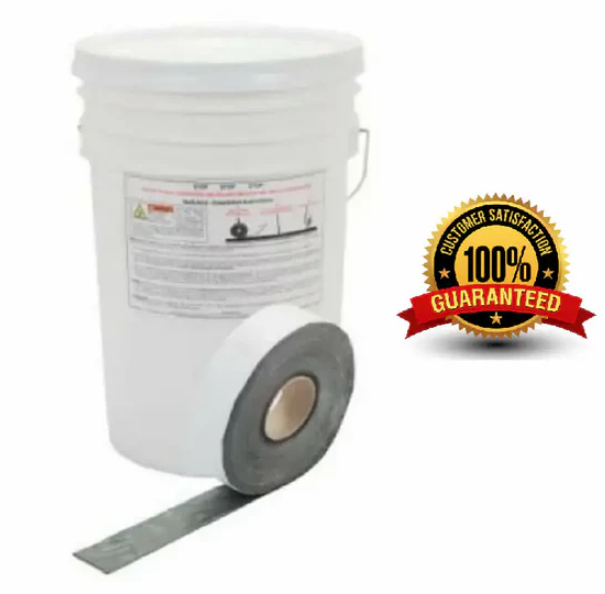

Rubberized asphalt crack tape provides contractors with a practical solution for repairing and sealing pavement cracks and joints. Designed for professional asphalt maintenance applications, crack tape creates a flexible, weather-resistant seal when properly installed and heat-bonded to the pavement surface.
For contractors, property managers, and pavement maintenance professionals, choosing the right crack repair material can help reduce water intrusion, improve repair efficiency, and extend the useful life of asphalt surfaces. Rubberized asphalt crack tape is particularly useful when a clean, controlled repair method is preferred over traditional liquid crack-filling applications.
What Is Rubberized Asphalt Crack Tape?
Rubberized asphalt crack tape is a flexible repair material designed to seal cracks and joints in asphalt and compatible pavement surfaces.
The tape is supplied with a release liner that protects the adhesive surface before installation. During application, the liner is removed, the tape is positioned over the prepared crack, and controlled heat activates the material so it bonds properly to the pavement.
Proper heat bonding is essential. Pressure alone is not sufficient to create the intended bond.
Why Choose Rubberized Asphalt Crack Tape?
For contractors, crack repair materials need to be efficient, durable, and practical for jobsite use.
Rubberized asphalt crack tape can offer several advantages:
- Convenient application
- Flexible crack-sealing material
- Suitable for asphalt maintenance
- Helps seal cracks and joints
- Supports efficient pavement repairs
- Easy to store and transport
- Useful for professional maintenance projects
The right product can help contractors complete crack-repair work without relying entirely on more time-consuming application methods.
Where Can Asphalt Crack Tape Be Used?
Rubberized asphalt crack tape may be suitable for a variety of pavement maintenance applications, depending on product specifications.
Common applications include:
- Asphalt pavement cracks
- Pavement joints
- Parking lots
- Driveways
- Commercial properties
- Road maintenance projects
- Asphalt repair work
Always confirm that the product is appropriate for the specific pavement condition and repair application before installation.
How to Install Rubberized Asphalt Crack Tape
Proper installation is critical to achieving a reliable repair. Follow these basic steps:
1. Clean the Surface
Remove dirt, dust, vegetation, loose asphalt, oil, and other contaminants from the crack or joint. The surface should be completely clean and dry before installation.
2. Position the Tape
Remove the release liner and center the rubberized asphalt crack tape directly over the crack or joint.
3. Press Into Position
Press the tape firmly into place to establish contact with the pavement surface.
4. Apply Heat
Use a propane torch to heat the tape evenly. The material must reach the appropriate activation point so it can properly bond with the pavement.
Avoid concentrating the flame in one location. Controlled, even heating is important for proper activation.
5. Roll or Press the Surface
After heating, roll or press across the complete surface of the tape to help establish full contact with the pavement.
6. Allow It to Cool
Allow the repair to cool properly before permitting traffic over the treated area.
Important: Do not rely on pressure alone. Proper heat activation and bonding are required for the tape to perform as intended.
What Should Buyers Look for in Crack Repair Tape?
Before purchasing, contractors should consider:
- Tape dimensions
- Pavement compatibility
- Application requirements
- Heat activation requirements
- Expected traffic conditions
- Project size
- Installation equipment
- Storage requirements
Choosing a product that matches the project can help reduce installation problems and unnecessary material waste.
Why Proper Surface Preparation Matters
Even a quality crack repair product can perform poorly when applied to a dirty or wet surface. Cleaning and completely drying the pavement before installation helps provide the conditions needed for proper bonding.
Contractors should remove loose debris and contaminants before positioning the tape. Proper preparation, controlled heating, complete surface pressure, and adequate cooling all contribute to a more reliable repair.
Additional Asphalt Maintenance Products
Rubberized asphalt crack tape is one component of a professional pavement maintenance setup. Contractors may also require crack-cleaning wire wheels, sealcoating spray tips, hoses, filters, brushes, squeegees, agitators, and other asphalt repair equipment.
Additional professional sealcoating and pavement maintenance supplies may be available by request. Contact World Net Sources for availability and pricing.
Why Choose World Net Sources?
World Net Sources supplies professional-grade asphalt maintenance and repair products designed for demanding contractor applications.
With more than 50 years of combined industry experience, the company provides Made in USA products across its product range where applicable, including asphalt maintenance tools, crack repair products, spray tips, wire wheels, tar tape, and related contractor supplies.
Key Takeaway
Rubberized asphalt crack tape is a practical crack-repair option when installed correctly. For reliable results, contractors should clean and completely dry the pavement, position the tape accurately, apply even heat to activate the material, press or roll the entire surface, and allow the repair to cool before traffic is permitted.
Proper heat bonding—not pressure alone—is the key installation requirement.
Final Thoughts
For contractors looking for an efficient pavement crack-repair solution, rubberized asphalt crack tape can provide a convenient alternative for suitable applications. The quality of the installation is just as important as the product itself.
Proper surface preparation, accurate placement, even propane-torch heating, complete rolling or pressing, and adequate cooling help support a dependable repair. By using the right crack-repair materials alongside professional asphalt maintenance equipment, contractors can complete pavement maintenance projects more efficiently and consistently.
