

Pigmentation In Manchester: Professional Treatment for Uneven Skin Tone

Understanding Pigmentation and Uneven Skin Tone
Pigmentation In Manchester is a common skin concern that can affect people of different ages and skin types. It occurs when certain areas of the skin develop a darker or uneven appearance compared with the surrounding skin. Pigmentation can appear on the face, neck, hands, chest, or other areas and may become more noticeable over time.
While some pigmentation is temporary, other forms can be persistent and may require professional assessment and treatment. Modern aesthetic and dermatological approaches can help improve the appearance of uneven skin tone while supporting a smoother, more balanced complexion.
Professional treatment begins with understanding the type and underlying cause of pigmentation. This allows an appropriate treatment plan to be developed according to the individual's skin condition, complexion, and aesthetic goals.
What Causes Skin Pigmentation?
Sun Exposure
One of the most common contributors to pigmentation is exposure to ultraviolet radiation. Regular sun exposure can stimulate melanin production, causing areas of the skin to become darker. This can lead to sun spots, freckles, and a generally uneven complexion.
Even when pigmentation has already developed, continued exposure to sunlight may make it more noticeable. Professional skin treatments are therefore often complemented by consistent sun protection as part of an overall skincare routine.
Hormonal Changes
Hormonal fluctuations can influence melanin production and contribute to pigmentation. Melasma is one example that may appear as darker patches, particularly across the cheeks, forehead, nose, or upper lip.
Hormonal pigmentation can sometimes be persistent, making professional evaluation particularly useful when choosing an appropriate treatment approach.
Post-Inflammatory Pigmentation
Dark marks can develop after inflammation or irritation of the skin. Acne, blemishes, and other forms of skin inflammation may leave behind areas of increased pigmentation after the original concern has settled.
This type of pigmentation can gradually improve, but professional treatments may help create a more even-looking complexion.
Skin Ageing
As the skin changes with age, pigmentation may become more visible. Years of environmental exposure can contribute to the appearance of age spots and an uneven complexion. A professional treatment programme can combine pigmentation-focused procedures with skin rejuvenation strategies.
Common Types of Pigmentation
Melasma
Melasma is characterised by areas of darker pigmentation that commonly appear on the face. It can affect the cheeks, forehead, nose, and upper lip. Because melasma can be influenced by several factors, professional assessment is important when considering treatment.
Sun Spots
Sun spots are flat areas of increased pigmentation that commonly develop on sun-exposed parts of the body. They may become increasingly noticeable with age and repeated exposure to ultraviolet radiation.
Post-Acne Pigmentation
After acne has healed, dark marks can remain on the skin. These marks may gradually fade, but they can persist for an extended period. Targeted skincare and professional treatments can support a more uniform appearance.
General Uneven Skin Tone
Some people experience an overall lack of uniformity in their complexion rather than clearly defined pigmentation patches. Professional skin treatments can be used to target dullness and uneven tone while supporting a brighter and smoother appearance.
Professional Pigmentation Treatment in Manchester
Personalised Skin Assessment
A professional pigmentation treatment programme should begin with an assessment of the skin. This can help determine the appearance, distribution, and characteristics of the pigmentation.
At SLA Medical Clinic, professional assessment can help identify suitable options based on the individual's skin concerns and desired results. A personalised approach is important because pigmentation can vary considerably from one person to another.
Chemical Peels
Chemical peels are commonly used in professional skincare to improve the appearance of uneven pigmentation and support skin renewal. They work by applying a carefully selected solution to the skin, encouraging the removal of surface cells and promoting a fresher-looking complexion.
Different formulations can be selected according to the individual's skin condition and treatment objectives. A professional can determine which approach is most appropriate during consultation.
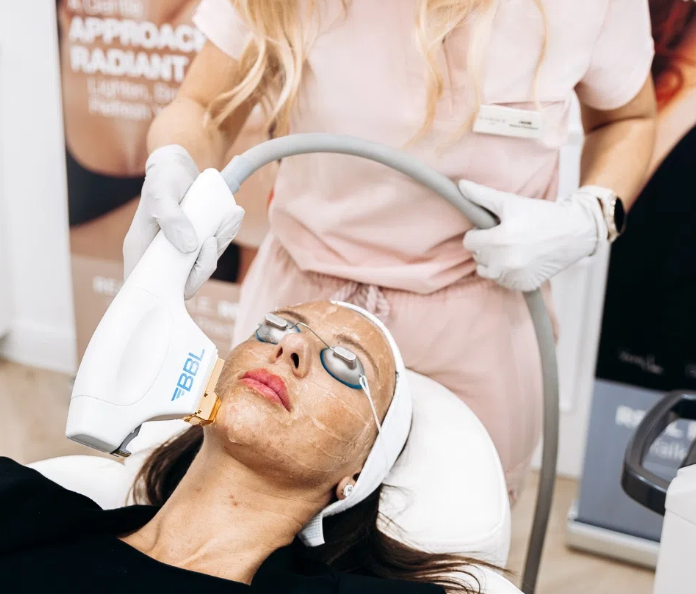
Laser and Light-Based Treatments
Certain laser and light-based technologies can be used to target unwanted pigmentation and improve overall skin tone. These treatments work by delivering controlled energy to specific areas of the skin.
The choice of technology depends on the type of pigmentation, skin characteristics, and treatment goals. Professional evaluation is essential when selecting an appropriate treatment.
Medical-Grade Skincare
Professional skincare products can play an important role in managing pigmentation. Selected ingredients may help support skin renewal and create a more even-looking complexion when incorporated into an appropriate skincare programme.
A professional can recommend products according to skin type and pigmentation concerns, helping establish a consistent routine alongside in-clinic treatments.
How Pigmentation Treatment Works
Assessment and Treatment Planning
The first stage is understanding the patient's skin and pigmentation concerns. A consultation provides an opportunity to discuss the areas affected, previous skincare routines, and desired outcomes.
The professional can then recommend a suitable treatment programme rather than relying on a one-size-fits-all approach.
Targeting Uneven Pigmentation
Depending on the assessment, professional treatments may focus on excess pigmentation, surface skin renewal, or overall complexion improvement. The objective is to gradually create a more balanced appearance.
Supporting Skin Renewal
Many pigmentation treatments also encourage skin renewal. As older surface cells are replaced, the complexion may appear fresher, smoother, and more uniform.
Maintaining Results
Pigmentation management does not end after an individual treatment. Maintaining a suitable skincare routine and protecting the skin from excessive sun exposure can support longer-term improvements in overall skin appearance.
Benefits of Professional Pigmentation Treatment
More Even-Looking Complexion
A key objective of professional pigmentation treatment is to reduce the visible contrast between darker and lighter areas, helping the complexion appear more uniform.
Brighter-Looking Skin
Treatments designed to address pigmentation can also improve the appearance of dull skin, creating a fresher and brighter-looking complexion.
Improved Skin Texture
Some professional pigmentation treatments also encourage surface renewal, which can help improve the appearance of uneven texture.
Personalised Treatment Approach
Professional treatment allows procedures and skincare recommendations to be selected according to individual skin characteristics. This can be particularly valuable because pigmentation does not look or behave the same way in every person.
Why Professional Assessment Matters
Identifying the Type of Pigmentation
Different pigmentation concerns can have different characteristics. Professional assessment can help determine whether the concern appears consistent with melasma, sun-related pigmentation, post-inflammatory pigmentation, or another skin issue.
Selecting Appropriate Treatments
Not every pigmentation treatment is suitable for every skin type. A professional can consider the individual's complexion and skin condition when recommending procedures or skincare.
Creating a Long-Term Skincare Strategy
Pigmentation management often benefits from consistency. A professional can help establish a practical routine that combines in-clinic treatments with suitable home skincare.
Pigmentation Treatment at SLA Medical Clinic
Professional Care in Manchester
SLA Medical Clinic provides a professional setting for individuals seeking treatment for pigmentation and uneven skin tone in Manchester. A consultation can help establish the nature of the pigmentation and identify suitable treatment options.
Individualised Treatment Plans
Every person's skin is different, so treatment can be tailored around the individual's pigmentation concerns, skin type, and desired cosmetic outcome. This personalised approach can help create a structured plan rather than using the same treatment for every patient.
Combining Professional Treatments and Skincare
Depending on the assessment, a pigmentation programme may involve professional procedures alongside a recommended skincare routine. Combining appropriate approaches can support continued improvement in the appearance of skin tone and complexion.
What to Expect During a Pigmentation Consultation
Discussion of Your Skin Concerns
The consultation generally begins with a discussion about the pigmentation, when it developed, the areas affected, and any previous treatments or skincare products used.
Skin Evaluation
The skin can then be assessed to understand the appearance and distribution of pigmentation. This helps the professional determine suitable treatment options.
Treatment Recommendation
Following assessment, an appropriate treatment programme can be discussed. This may involve one treatment or a combination of professional procedures and skincare depending on the individual's needs.
Aftercare Guidance
Professional guidance can also include recommendations for maintaining the skin following treatment. Consistent skincare and protection from environmental factors can form an important part of ongoing pigmentation management.
How to Support an Even Skin Tone at Home
Use Sun Protection
Sun protection is an important part of pigmentation management. Using a broad-spectrum sunscreen regularly can help reduce additional sun-related pigmentation and support the results of professional treatments.
Maintain a Consistent Skincare Routine
A simple, consistent skincare routine can help maintain the appearance of healthier-looking skin. Cleansing, moisturising, and using professionally recommended pigmentation-focused products can complement in-clinic treatment.
Avoid Unnecessary Skin Irritation
Harsh or unsuitable skincare products may irritate the skin. Choosing products appropriate for your skin type and following professional recommendations can help maintain a balanced complexion.
Be Consistent
Pigmentation often requires patience and ongoing care. Following the recommended treatment schedule and maintaining a suitable home routine can help support gradual improvements.
How Long Does Pigmentation Treatment Take?
The timeframe varies according to the type and extent of pigmentation, the selected treatment, and individual skin characteristics. Some people may notice improvements after initial treatment, while others may require a series of sessions to achieve their desired appearance.
A professional consultation provides the best opportunity to understand the likely treatment programme and how it can be tailored to individual needs.
Who May Consider Professional Pigmentation Treatment?
Professional pigmentation treatment may be suitable for people concerned about:
- Dark patches on the face
- Sun spots
- Uneven complexion
- Post-acne pigmentation
- Melasma
- Dull-looking skin
- Age-related pigmentation
- Uneven skin tone caused by environmental exposure
The most appropriate treatment depends on the individual's skin condition and should be determined following a professional assessment.
Choosing Pigmentation Treatment in Manchester
Look for Professional Assessment
A thorough consultation should be an important part of choosing pigmentation treatment. Understanding the nature of the pigmentation can help determine which approach is most suitable.
Consider a Personalised Approach
Pigmentation varies between individuals, so a treatment plan should be adapted to the patient's skin rather than relying on a generic procedure.
Ask About Treatment Options
During consultation, patients can discuss available treatment options, expected treatment schedules, skincare recommendations, and ways to maintain their results.
Frequently Asked Questions
What is pigmentation?
Pigmentation refers to changes in the colour of the skin caused by variations in melanin production. It can appear as darker patches, spots, or an uneven complexion.
What causes pigmentation on the face?
Common contributing factors include sun exposure, hormonal changes, post-inflammatory changes following acne or irritation, and natural skin ageing.
Can pigmentation be treated professionally?
Yes. Professional approaches can include chemical peels, laser or light-based treatments, and tailored medical-grade skincare. The appropriate option depends on the individual's pigmentation and skin characteristics.
Is pigmentation treatment suitable for all skin types?
Treatment selection should be based on individual skin characteristics. A professional consultation can help determine which options are appropriate for a particular skin type and pigmentation concern.
How many pigmentation treatments will I need?
The number of sessions varies depending on the type and extent of pigmentation and the selected treatment. A personalised assessment can provide a more specific treatment plan.
Can skincare help with pigmentation?
Yes. Professionally selected skincare can complement in-clinic pigmentation treatments and support a more even-looking complexion over time.
Does sun exposure affect pigmentation?
Sun exposure can contribute to increased pigmentation and may make existing pigmentation more noticeable. Regular sun protection is therefore an important part of maintaining an even-looking complexion.
Where can I get professional pigmentation treatment in Manchester?
Individuals looking for professional support for uneven skin tone can consult SLA Medical Clinic in Manchester to discuss their pigmentation concerns and explore suitable treatment options.
Conclusion
Pigmentation In Manchester treatment can provide a professional approach to managing uneven skin tone, dark spots, melasma, sun-related pigmentation, and post-acne marks. Because pigmentation can develop for different reasons and vary between skin types, personalised assessment is an important part of selecting an appropriate treatment.
From professional chemical peels and advanced light-based procedures to targeted skincare, modern approaches can help create a smoother, brighter, and more balanced-looking complexion. For individuals seeking professional guidance in Manchester, SLA Medical Clinic can provide personalised assessment and treatment planning focused on their individual pigmentation concerns and aesthetic goals.
