


Lower Blepharoplasty in London: What Happens During a Consultation?
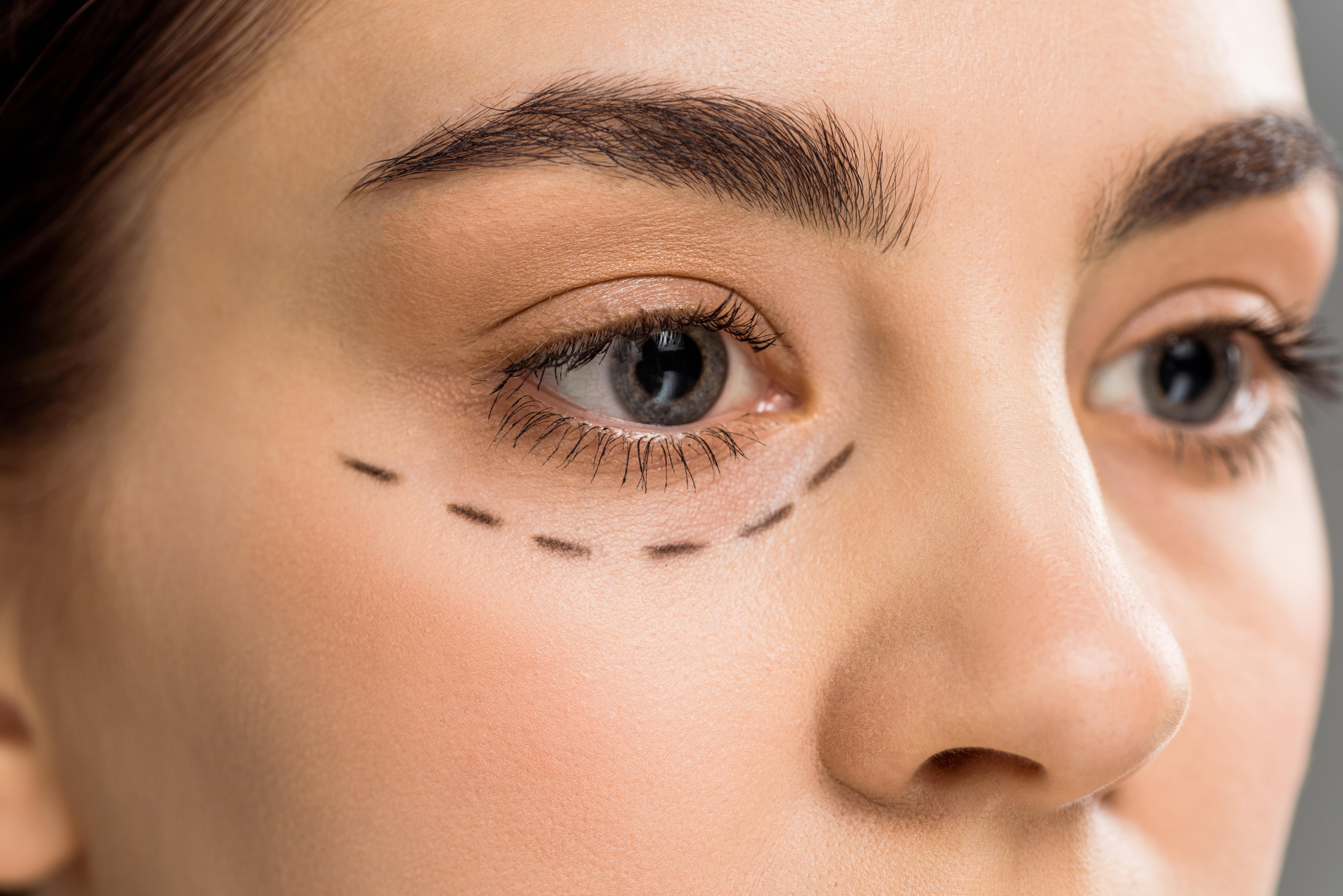
The area beneath the eyes can have a strong influence on overall facial appearance. Changes such as under-eye fullness, loose skin, altered contours, or a tired-looking appearance can develop over time and may lead some people to explore surgical options.
For anyone considering Lower Blepharoplasty in London, the consultation is an important part of the treatment journey. It gives the surgeon an opportunity to understand the patient's concerns, assess the lower eyelid anatomy, examine the relationship between the eyelids and surrounding facial structures, and discuss suitable treatment options.
Lower eyelid surgery is not planned using a single approach for every patient. Individual anatomy, skin quality, tissue distribution, facial proportions, and aesthetic objectives can all influence the proposed treatment. A detailed consultation therefore provides the foundation for creating a personalised surgical plan.
At bodyvie clinic, patients can discuss their concerns and expectations before treatment is planned. Understanding what happens during a consultation can help patients prepare for the appointment and know which areas may be discussed.
What Is Lower Blepharoplasty?
Lower blepharoplasty is a surgical procedure involving the lower eyelids. It may be considered when changes in the lower eyelid area affect the appearance of the eyes and surrounding face.
Depending on individual anatomy, treatment planning may focus on excess skin, prominent fat pockets, lower eyelid contours, or a combination of factors.
The exact surgical approach depends on the patient's characteristics and desired outcome. A consultation allows the surgeon to determine which factors are most relevant before recommending a treatment plan.
Why the Consultation Is Important
The lower eyelid is a delicate and anatomically complex area.
A patient's concern may appear to be related to under-eye bags, for example, but the underlying factors can vary considerably. Some people may have prominent fat compartments, while others may have skin laxity or changes in the relationship between the lower eyelid and cheek.
A detailed consultation helps the surgeon identify these differences.
Rather than applying the same procedure to every patient, the surgeon can use the assessment to develop an approach that corresponds with the individual's anatomy.
Discussing Your Main Concerns
A consultation generally begins with a conversation about what the patient would like to change.
Patients may describe concerns such as:
- Under-eye fullness
- Lower eyelid skin laxity
- Changes in the lower eyelid contour
- A tired-looking appearance
- Differences between the two sides
- Changes that have developed gradually over time
The surgeon can discuss these concerns and establish which aspects are most important to the patient.
Understanding Your Desired Outcome
Every patient can have a different idea of what an improved appearance means to them.
Some people may want a more refreshed-looking under-eye area, while others may be primarily concerned about visible fullness beneath the eyes.
During the consultation, the surgeon can ask questions about the desired level of change.
This discussion helps establish realistic treatment objectives while preserving the patient's natural facial characteristics.
Examining the Lower Eyelids
The surgeon will typically examine the lower eyelids carefully.
This assessment can include looking at the amount and distribution of skin, the position of the lower eyelid, the appearance of under-eye tissue, and the transition between the eyelid and cheek.
The surgeon may also examine the lower eyelids from different angles.
This provides a more complete understanding of the patient's facial structure.
Assessing Under-Eye Fullness
One of the most common reasons people explore Lower Eyelid Surgery In London is the appearance of under-eye fullness.
The surgeon can assess whether this fullness is associated with fat compartments beneath or around the eye.
The distribution of this tissue varies from person to person.
Understanding its position and relationship with surrounding structures can help the surgeon determine which treatment approach may be appropriate.
Assessing Lower Eyelid Skin
Skin quality is another important consideration.
The surgeon can examine the amount of skin present and its elasticity.
Some patients may have relatively good skin quality with more prominent underlying tissue, while others may have more noticeable skin laxity.
These differences can influence the surgical approach.
Examining the Cheek and Mid-Face
The lower eyelid does not exist independently from the cheek.
The surgeon may assess the transition between the lower eyelid and upper cheek to understand how the two areas contribute to facial appearance.
Changes in the mid-face can influence the appearance of the under-eye region.
Considering the cheek as part of the overall assessment can therefore help create a more balanced treatment plan.
Assessing Facial Proportions
Facial proportions are an important part of aesthetic treatment planning.
The surgeon can examine the lower eyelids in relation to the cheeks, nose, upper face, and overall facial structure.
This helps ensure that any proposed changes are considered within the context of the entire face.
The aim is not simply to alter one feature but to understand how the lower eyelids contribute to overall facial balance.
Assessing Eyelid Position
The position of the lower eyelid can also be evaluated.
The surgeon may look at how the lower eyelid sits in relation to the eye and surrounding facial structures.
This assessment provides important information when considering whether lower blepharoplasty is appropriate and which surgical technique may be suitable.
Looking at Both Eyes
The surgeon will assess both lower eyelids rather than examining only the area that appears more noticeable to the patient.
Natural differences between the two sides of the face are common.
One eye may have slightly different tissue distribution or eyelid positioning than the other.
Recognising these differences helps the surgeon create a treatment plan that accounts for the patient's natural anatomy.
Assessing Facial Symmetry
Facial symmetry is another consideration during consultation.
The surgeon can examine the eyes, eyelids, cheeks, and surrounding facial features for natural variations.
The purpose is not necessarily to create perfectly identical sides, as natural faces are rarely completely symmetrical.
Instead, understanding the existing structure helps the surgeon plan treatment appropriately.
Discussing Skin Quality and Age-Related Changes
The condition of the skin can change over time.
Reduced elasticity, changes in tissue distribution, and alterations in facial structure can all influence the appearance of the lower eyelids.
The surgeon can assess these characteristics during consultation and explain how they relate to the patient's concerns.
Understanding Different Lower Blepharoplasty Approaches
There is more than one approach to lower eyelid surgery.
The most suitable option depends on factors such as skin quality, the amount and position of lower eyelid tissue, eyelid anatomy, and the patient's goals.
The surgeon can explain the available approaches and discuss which one may be appropriate.
This ensures that treatment selection is based on individual assessment rather than a standard procedure.
Transconjunctival Lower Blepharoplasty
A transconjunctival approach involves accessing the lower eyelid tissues through the inner surface of the eyelid.
It may be considered for selected patients, particularly when the primary concern relates to lower eyelid fat and there is limited excess skin.
Whether this approach is appropriate depends on the individual's anatomy and surgical objectives.
External Lower Blepharoplasty Approach
An external approach may be considered when treatment involves addressing both the lower eyelid skin and underlying tissues.
The surgeon can assess whether this type of approach is suitable based on the patient's skin characteristics and overall lower eyelid anatomy.
The consultation is where these considerations are discussed in detail.
Discussing Fat Position and Volume
The surgeon may assess the amount and location of fat around the lower eyelid.
The objective of treatment planning is not necessarily to remove as much tissue as possible.
Instead, the surgeon considers how the tissue contributes to the patient's natural contours and determines the appropriate surgical strategy.
Individual assessment is therefore important for achieving a balanced treatment plan.
Assessing the Tear Trough
The area between the lower eyelid and cheek can contribute to the appearance of under-eye hollowness.
The surgeon may examine the tear trough and its relationship with nearby tissue.
This can help determine whether the patient's concern is primarily related to fullness, hollowness, skin laxity, or a combination of factors.
Discussing Previous Treatments
Patients should inform the surgeon about previous cosmetic or medical treatments involving the eyes and surrounding face.
This may include previous eyelid surgery, injectable treatments, laser procedures, or other aesthetic treatments.
Knowing the patient's treatment history helps the surgeon understand the current anatomy and plan appropriately.
Reviewing Medical and Surgical History
The consultation may also include questions about general medical and surgical history.
The surgeon needs relevant information to determine whether the proposed procedure is appropriate and to plan the treatment safely.
Patients should provide accurate information about previous surgeries, medications, and other relevant factors.
The clinical team can explain which information is required during the consultation.
Photography and Treatment Planning
Clinical photographs may form part of the consultation and planning process.
Images can help the surgeon assess facial proportions and document the appearance of the lower eyelids before treatment.
Photographs may also be useful when discussing the proposed surgical approach and reviewing changes during follow-up.
Discussing the Surgical Technique
Once the assessment is complete, the surgeon can explain the recommended surgical technique.
This discussion may include the proposed incision approach, the areas to be addressed, and how the procedure relates to the patient's individual anatomy.
Patients should have sufficient time to ask questions and understand the proposed treatment before making a decision.
Understanding Recovery
The consultation is also an opportunity to discuss recovery.
Patients can ask about expected swelling, bruising, returning to work, resuming exercise, skincare, and follow-up appointments.
Recovery can vary according to the surgical approach and individual healing characteristics.
The surgeon can provide personalised guidance based on the planned procedure.
Discussing Expected Results
The surgeon can explain what changes may reasonably be expected from lower blepharoplasty.
It is important to understand that the outcome is influenced by existing anatomy, skin characteristics, and the chosen surgical approach.
The goal of the consultation is to establish realistic expectations and ensure that the patient understands what the procedure is intended to address.
What Happens at a Blepharoplasty Clinic in London?
At a Blepharoplasty Clinic in London, the consultation can involve several stages.
First, the patient's concerns and goals are discussed. The surgeon then assesses the lower eyelids, surrounding facial structures, skin quality, tissue distribution, and facial proportions.
The surgeon may then explain the available surgical approaches and recommend an individual treatment plan.
Patients can ask questions about the procedure, recovery, and follow-up before deciding whether to proceed.
Preparing for Your Consultation
Patients can prepare by thinking about the changes they have noticed around their lower eyelids.
It may be useful to consider when the changes first became noticeable and which features are most concerning.
Patients should also bring information about previous treatments and relevant medical history.
Most importantly, they should feel comfortable discussing their expectations openly with the surgeon.
Questions to Ask During Your Consultation
People considering Lower Blepharoplasty in London may wish to ask:
- What is causing the appearance of my under-eye area?
- Is my concern related to skin, fat, eyelid position, or facial structure?
- Which surgical approach would you recommend?
- Why is this technique appropriate for my anatomy?
- Will the cheek and mid-face be considered?
- What should I expect during recovery?
- When can I return to normal activities?
- How will my progress be monitored?
- When should the final result be assessed?
Asking these questions can help patients understand the proposed treatment plan.
Why Personalised Treatment Planning Matters
Lower eyelid anatomy varies considerably between individuals.
Two patients may appear to have similar under-eye concerns but require completely different treatment approaches.
One patient may have more prominent lower eyelid fat, another may have greater skin laxity, and another may have changes involving the eyelid-cheek transition.
For this reason, personalised assessment is essential.
Choosing a Lower Eyelid Surgery Provider
When considering Lower Eyelid Surgery In London, patients should look for a provider with an appropriate consultation process and qualified surgical professionals.
It can be useful to ask about the surgeon's experience, treatment approach, facilities, and postoperative follow-up.
A thorough consultation should leave the patient with a clear understanding of their individual anatomy and the proposed treatment plan.
Conclusion
Lower Blepharoplasty in London begins with a detailed consultation that focuses on much more than the appearance of under-eye bags. The surgeon assesses the lower eyelid, skin quality, tissue distribution, eyelid position, facial symmetry, cheek structure, and overall facial proportions.
The consultation also provides an opportunity to discuss the patient's concerns and desired outcome. Based on this information, the surgeon can determine whether lower blepharoplasty is appropriate and which surgical approach may best suit the individual's anatomy.
At bodyvie clinic, patients can use the consultation to understand the treatment process, ask questions, and discuss personalised surgical planning. Understanding the assessment process can make it easier to approach the appointment with realistic expectations.
Ultimately, a carefully planned consultation provides the foundation for personalised Lower Eyelid Surgery In London, ensuring that the proposed approach is based on the patient's unique facial structure rather than a standardised treatment model.
FAQs
What is Lower Blepharoplasty in London?
Lower Blepharoplasty in London is surgery involving the lower eyelids. It can be planned to address selected concerns such as excess skin, under-eye tissue, or changes in lower eyelid contours.
What is Lower Eyelid Surgery In London?
Lower Eyelid Surgery In London refers to surgical procedures designed to address concerns involving the lower eyelids. The technique used depends on individual anatomy and treatment objectives.
What happens during a lower blepharoplasty consultation?
The surgeon discusses your concerns and examines the lower eyelids, skin quality, tissue distribution, eyelid position, facial proportions, and relationship between the eyelids and cheeks.
Does the surgeon assess under-eye bags?
Yes. The surgeon can assess the location and characteristics of under-eye fullness and determine whether it is associated with lower eyelid fat, skin changes, or other structural factors.
Will my cheek area be assessed?
The cheek and mid-face can be assessed because they have an important relationship with the lower eyelid. This can help the surgeon understand the overall facial contour.
How does the surgeon choose a lower blepharoplasty technique?
The choice depends on factors such as skin quality, tissue distribution, eyelid anatomy, facial proportions, and the patient's desired outcome.
Are both eyes assessed during consultation?
Yes. Both sides are generally examined because natural differences in eyelid position, tissue distribution, and facial symmetry are common.
Can I discuss my desired results with the surgeon?
Absolutely. Discussing your goals is an important part of the consultation and helps the surgeon understand the type and degree of change you would like to achieve.
What should I bring to my consultation?
You should provide relevant medical and surgical history and information about previous aesthetic treatments involving the eyes or face. You should also be prepared to discuss your concerns and expectations.
What should I ask a Blepharoplasty Clinic in London?
Ask about the surgeon's experience, recommended technique, reasons for selecting that approach, recovery, follow-up arrangements, and what changes you can realistically expect.
How long does a lower blepharoplasty consultation take?
The duration can vary depending on the complexity of the assessment and the patient's questions. A detailed consultation should provide enough time to evaluate the eyelids and discuss treatment planning.
Is lower blepharoplasty suitable for everyone?
Not necessarily. Suitability depends on individual eyelid anatomy, skin characteristics, overall health, treatment goals, and other factors. A consultation is required to determine whether the procedure is appropriate.

 Bangla