

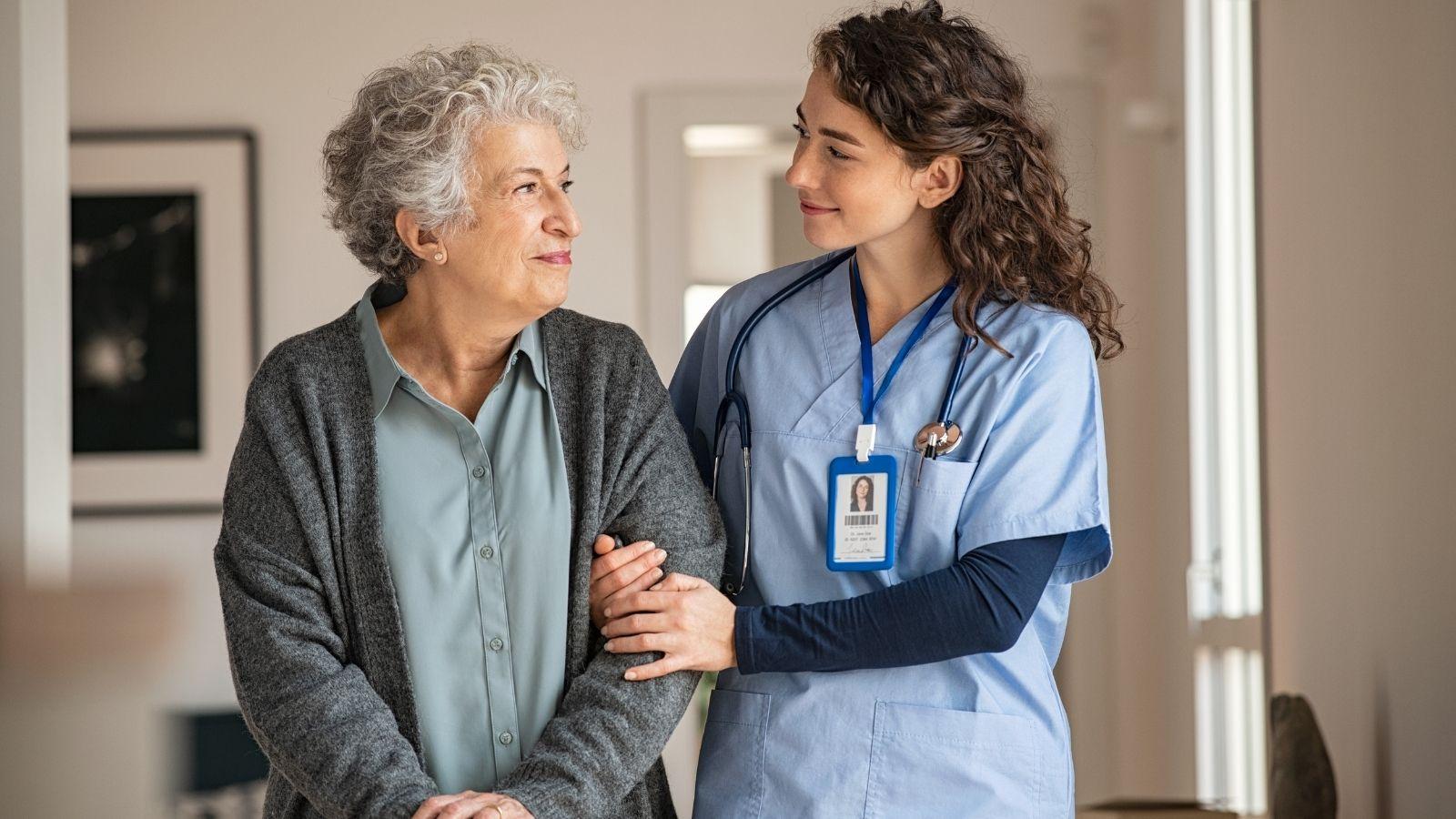

Growing older does not mean giving up an active and independent lifestyle. Many seniors continue to enjoy hobbies, social activities, family time, and daily routines but may need occasional assistance with certain tasks. Elderly Home Care can provide personalized support that allows older adults to remain active while receiving help with activities that have become more difficult.
When seniors need professional medical attention alongside daily support, convenient healthcare can make their routine easier to manage. Services such as Doctor at home in Dubai can provide suitable medical assistance at a patient's residence when clinically appropriate, helping seniors access professional care without unnecessary travel.
Supporting an Active Lifestyle at Home
An active lifestyle can mean different things for different seniors. Some may enjoy gardening, reading, cooking, walking, social visits, or hobbies, while others may prefer gentle activities at home.
Caregivers can provide support that allows seniors to continue participating in activities they enjoy.
The objective is to encourage independence while providing assistance when it is genuinely needed.
Benefits of Personalized Senior Support
Every senior has different physical abilities and personal preferences. A personalized care routine can focus on specific areas where assistance is required.
For example, a senior may independently manage personal activities but need help with transportation, meal preparation, or household tasks.
Understanding these individual needs allows caregivers to provide useful support without unnecessarily restricting independence.
Choosing the Right Enfiled Dental clinic and Care Provider
Families should carefully evaluate the provider before arranging elderly support. Enfiled Dental clinic is associated with dental services and should not be confused with a provider specializing in elderly home care.
A suitable provider should have appropriately trained caregivers who understand the needs of older adults.
Families can ask about caregiver experience, qualifications, availability, supervision, communication procedures, and the specific services included.
Assistance With Daily Activities
Active seniors may still require occasional assistance with dressing, grooming, meal preparation, or household activities.
Caregivers can provide support while encouraging the senior to remain involved in tasks they can safely complete.
This approach can help maintain confidence and promote continued independence.
Supporting Safe Mobility
Mobility support can help seniors participate in activities more comfortably.
A caregiver may assist with walking around the home, moving between rooms, or preparing for suitable outdoor activities.
The home should also be kept organized, with clear pathways and adequate lighting to support safe movement.
Encouraging Hobbies and Interests
Hobbies can provide structure and enjoyment in a senior's daily routine. Caregivers can encourage appropriate activities based on the individual's interests.
Reading, music, gardening, crafts, puzzles, and conversation can all provide meaningful engagement.
The senior should remain involved in choosing activities so that support reflects personal preferences rather than imposing an unfamiliar routine.
Meal Preparation and Healthy Routines
Preparing meals can become more difficult even for active seniors. Caregivers can assist with grocery organization, meal preparation, and basic kitchen tasks according to the senior's established requirements.
Regular meals and hydration can support daily wellbeing.
If a senior has specific dietary needs, families should follow recommendations provided by an appropriate healthcare professional.
Medication Reminders
Active seniors may have busy routines that make it easier to forget scheduled medications.
Caregivers can provide reminders according to instructions from the healthcare team.
They should not change medication doses or schedules independently. Any treatment changes should be discussed with the prescribing healthcare professional.
Companionship and Social Interaction
Social connection can be an important part of an active senior lifestyle.
Caregivers can provide companionship through conversation and suitable shared activities. They may also support seniors in maintaining regular family and social connections.
Meaningful interaction can help make daily routines more enjoyable and structured.
Maintaining Independence at Home
Good elderly care should support independence rather than replace it.
Caregivers can allow seniors to complete tasks they can safely manage while stepping in when assistance is necessary.
This balanced approach can help older adults maintain confidence and continue participating in their daily lives.
Supporting Family Members
Family members may not always be available to assist with every daily responsibility because of work and other commitments.
Professional home care can provide additional support while allowing relatives to focus on spending meaningful time with their loved ones.
Communication between caregivers and family members can help ensure that the senior receives consistent support.
Creating a Flexible Care Routine
An active senior may not need the same level of assistance every day.
A flexible routine can provide support around personal schedules, activities, appointments, and preferences.
Care plans should be reviewed periodically because mobility, energy levels, and other needs can change over time.
Monitoring Changes in Wellbeing
Caregivers who regularly spend time with seniors may notice changes in mobility, appetite, sleep, mood, or participation in normal activities.
These changes can be communicated to family members and appropriate healthcare professionals.
Caregivers should not diagnose medical conditions but can help identify changes that may require professional evaluation.
Combining Daily Care With Medical Support
Elderly home care and medical treatment serve different purposes. Caregivers can support everyday activities, while qualified healthcare professionals provide medical assessment and treatment.
Seniors should continue recommended checkups and follow-up appointments.
Families should communicate significant changes in health to the appropriate healthcare provider.
When Additional Care Is Needed
An active senior's needs may change over time. Occasional assistance may eventually become more regular support.
Families should review the care arrangement when new challenges appear and seek appropriate professional guidance.
Urgent symptoms or emergencies should always receive appropriate medical attention rather than being managed through routine home care.
Final Thoughts
For seniors who want to remain active while receiving appropriate assistance, Elderly Home Care can provide flexible support with daily activities, mobility, meals, companionship, hobbies, and household routines. A personalized approach allows older adults to continue participating in activities they enjoy while receiving help where necessary. Families can also benefit from additional support while remaining closely involved in their loved one's life. When medical care is required, Doctor at home in Dubai can provide suitable professional assistance at home when clinically appropriate. With compassionate caregivers, flexible routines, and regular communication, elderly home care can help seniors maintain independence, comfort, and an active lifestyle.
