

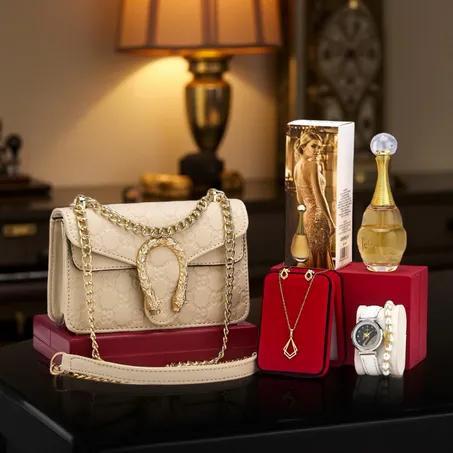

The Luxury Goods Industry is undergoing significant transformation, driven by sustainability imperatives, digital innovation, and a focus on the circular economy. According to a Luxury Goods Industry analysis, key trends include the adoption of sustainable materials, the rise of authenticated pre-owned platforms, and the integration of blockchain for provenance tracking. These trends are reshaping the industry and creating new opportunities for growth.
Market Dynamics
Sustainability and Eco-Friendly Materials
Sustainability has become a central pillar of luxury, with brands promoting ecologically friendly raw materials and responsible manufacturing . Plant-based leather, made from pineapple and other natural resources, is being adopted to create jackets, shoes, and purses, replacing traditional animal-based leather . Heritage houses are increasingly focusing on sustainability to meet consumer expectations and regulatory requirements, with the EU Green Claims Directive requiring brands to substantiate environmental assertions with verified lifecycle data .
The Rise of Certified Pre-Owned and Resale Platforms
The authenticated resale segment is a major trend, reaching USD 43 billion in 2024 . Brands are embedding certified pre-owned programs into their own retail ecosystems to capture both initial and secondary margins, extending client lifetime value . The growing acceptance of second-hand luxury goods, particularly among younger generations, is creating a new normalcy around purchasing pre-owned premium leather goods and jewelry from sites like The RealReal and Vestiaire Collective .
Blockchain and Digital Provenance
Blockchain-based provenance tracking is becoming a key tool for ensuring authenticity and building consumer trust. The EU's Digital Product Passport regulation (effective 2027) will mandate such verification for luxury goods, helping to combat the proliferation of counterfeit "super-fake" products that now replicate packaging and authentication chips . This technology is essential for protecting brand equity and maintaining a premium position in the Luxury Goods Market.
Premiumization in Emerging Markets
India and Southeast Asia represent the next frontier for luxury growth. India’s luxury retail presence grew by 25% between 2022 and 2025, with new malls dedicating premium zones for exclusive luxury brands . Southeast Asian markets, notably Thailand, Vietnam, and Indonesia, are seeing double-digit growth in aspirational consumption of ultra-premium branded products .
Experiential Retail and Storytelling
Luxury brands are shifting from product-centric to experience-centric models. Flagship stores are being transformed into immersive experience centers that blend product display with cultural programming. This experiential pivot is redefining the upper tier of the market, transforming a purchase from a transaction into a lifestyle statement .
Regional Outlook
North America and Europe are leading the adoption of sustainability and digital innovation, while Asia Pacific and the Middle East are emerging as key growth markets for premiumization and experiential retail.
Competitive Landscape
The competitive landscape is increasingly defined by a brand's ability to innovate in sustainability, digital engagement, and experiential retail. Companies that can offer authentic, transparent, and technologically advanced products are gaining a competitive edge.
Conclusion
The Luxury Goods Industry is evolving through innovation in sustainable materials, digital provenance, and experiential retail. Companies that can successfully lead in these areas are well-positioned for future growth.
FAQs
1. What are the key innovation trends in the Luxury Goods Industry?
Key trends include the adoption of sustainable materials, the rise of certified pre-owned platforms, blockchain for provenance tracking, and premiumization in emerging markets.
2. How is blockchain impacting the luxury goods market?
Blockchain is being used to provide digital product passports for provenance verification, helping to combat counterfeit goods and build consumer trust .
3. What is the "experiential retail" trend?
Experiential retail involves transforming flagship stores into immersive experience centers that blend product display with cultural programming, reinforcing the brand's lifestyle positioning .
