


Mole Removal in Dubai | Options, Benefits & Aftercare
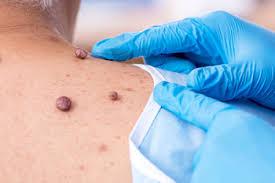
Moles are a common part of the skin and can appear on almost any area of the body. While many moles are harmless, some people may feel uncomfortable with their appearance, especially when they are large, raised, dark, or located on visible areas such as the face and neck. Others may experience irritation when a mole repeatedly rubs against clothing, jewelry, or shaving equipment.
Mole Removal in Dubai offers professionally selected treatment options for people who want to address unwanted moles. Since every mole is different, the most suitable approach depends on factors such as its size, depth, location, appearance, and the condition of the surrounding skin.
Professional assessment is an important first step. Rather than attempting to remove a mole at home, an individual should have it examined and discuss the safest and most appropriate treatment option.
Why Do People Consider Mole Removal?
There are several reasons people explore mole removal. Cosmetic concerns are one of the most common. A prominent mole on the face can become a noticeable feature and may affect how someone feels about their appearance.
Moles can also create practical problems. A raised mole may catch on clothing or jewelry, become irritated during shaving, or experience repeated friction. Removing such a mole may help eliminate the recurring inconvenience.
However, a mole that changes in appearance should not automatically be considered a cosmetic issue. Changes in size, shape, color, bleeding, crusting, or other unusual features should be professionally assessed before any removal procedure is considered.
How Is the Right Treatment Selected?
There is no single removal method that is suitable for every mole. A professional examination helps determine the appropriate technique.
Important factors can include:
- The size of the mole
- Whether it is raised or flat
- Its depth within the skin
- Its location
- The appearance of the surrounding skin
- The individual's healing history
- The desired cosmetic outcome
A superficial raised mole may be approached differently from a deeper mole. Facial moles may also require particularly careful treatment planning because even a small mark can be noticeable.
Common Mole Removal Options
Shaving Technique
A shaving technique may be considered for certain raised moles that extend above the surface of the skin. The visible portion is carefully removed to create a smoother surface.
This method may be suitable for selected cases, but it is not appropriate for every mole. Proper assessment should always come first.
Surgical Excision
Excision involves removing the mole and, when necessary, a small amount of surrounding tissue. This approach may be considered for deeper moles or situations where complete removal is preferred.
Depending on the size and location of the treated area, the skin may require closure after removal.
Other Professional Approaches
The appropriate treatment can vary depending on the characteristics of the mole. A professional can explain which options are appropriate and why one technique may be preferable to another.
The goal should be to select a method that addresses the mole while minimizing unnecessary effects on the surrounding skin.
What Happens During Mole Removal?
The treatment usually begins with preparation of the area. The skin is cleaned, and local anesthesia may be used when appropriate to improve comfort.
Once the area is ready, the selected technique is performed carefully. The procedure itself may be relatively quick for a small mole, although treatment time varies according to the size and complexity of the area.
After removal, the treated skin may look different from the surrounding area. Mild redness, tenderness, swelling, or sensitivity can occur during the early healing period.
Benefits of Mole Removal
One of the main potential benefits of professional mole removal is improved skin appearance. Removing a prominent mole may help create a smoother-looking surface and a more even visual appearance.
Other potential benefits include:
- Addressing unwanted visible moles
- Reducing irritation caused by friction
- Improving confidence about facial appearance
- Making certain areas easier to shave
- Creating a smoother-looking skin surface
It is important to remember that results vary. The final appearance can depend on the mole, treatment method, location, and individual healing response.
Preparing for Mole Removal
Preparation usually begins with an appropriate consultation. During this stage, discuss your expectations and provide information about your skin history.
It is useful to mention any previous procedures, unusual scarring, allergies, medications, or other relevant factors that could affect treatment or healing.
Avoid trying to remove or burn off a mole at home before professional assessment. Home methods can damage healthy skin and may lead to infection, bleeding, pigmentation changes, or unwanted scarring.
What Is Recovery Like?
Recovery depends on the removal technique and the size and depth of the treated mole.
The area may initially appear red or slightly swollen. A small scab may also develop as part of the natural healing process. Patients should avoid scratching, picking, or repeatedly touching the treated area.
More extensive procedures may require a longer recovery period than simple removal of a small superficial mole.
The final appearance should not be judged immediately after treatment. Skin continues to heal and change as inflammation decreases and the tissue gradually settles.
Essential Aftercare Tips
Following aftercare instructions is an important part of the treatment process. Patients should keep the treated area clean and protected according to the guidance provided after the procedure.
Some general considerations include:
Keep the Area Clean
Gentle cleansing can help maintain the condition of the treated skin. Avoid harsh scrubbing or unnecessary friction.
Do Not Pick the Area
Picking at scabs or healing skin can interfere with the natural recovery process and may increase the possibility of visible marks.
Protect the Skin From Sun Exposure
Recently treated skin can be more sensitive to sunlight. Appropriate sun protection can help reduce the risk of unwanted pigmentation changes during recovery.
Follow Product Instructions
Avoid applying strong exfoliating products, retinoids, or other active ingredients directly to the treated area unless they have been cleared for use after treatment.
Can Mole Removal Leave a Scar?
Any procedure that removes tissue from the skin can potentially leave a mark or scar. The likelihood depends on factors such as the technique used, the depth of the mole, its location, and the individual's natural healing response.
A professional can discuss potential scarring during the consultation and explain what may realistically be expected.
The goal of treatment is generally to improve the appearance of the area while minimizing unnecessary damage to surrounding tissue, but completely invisible results cannot always be guaranteed.
Choosing the Best Mole Removal in Dubai
When searching for the best Mole Removal in Dubai, it is important to look beyond advertisements or promises of instant results.
Consider factors such as:
- Professional consultation and assessment
- Appropriate treatment options
- Clean and professional treatment standards
- Clear explanations of the procedure
- Realistic discussion of potential results
- Proper aftercare guidance
- Appropriate follow-up support
A good consultation should give you an opportunity to ask questions and understand why a particular treatment is being recommended.
Frequently Asked Questions
Is Mole Removal in Dubai suitable for facial moles?
Yes, selected facial moles can be treated professionally. Because the face is highly visible, careful assessment and treatment planning are particularly important.
Does mole removal hurt?
Many procedures use local anesthesia to improve comfort during treatment. Some tenderness or sensitivity may occur afterward while the skin heals.
How long does recovery take?
Recovery varies depending on the treatment method, mole size, depth, and individual healing response. Your treatment provider can give more specific guidance after examining the mole.
Can a mole be removed at home?
Home removal is not recommended. Cutting, burning, or applying unverified chemicals can cause infection, bleeding, skin damage, and scarring.
Can a removed mole come back?
The possibility depends on the removal technique and the characteristics of the mole. A professional can explain the likelihood based on your individual treatment.
Conclusion
Mole Removal in Dubai can be an effective option for people who want to address unwanted or bothersome moles. The treatment approach should always be selected after appropriate assessment because factors such as size, depth, location, and appearance can influence the most suitable technique.
Understanding the available options, preparing properly, following aftercare instructions, and maintaining realistic expectations can all contribute to a smoother treatment experience. If you are exploring professional aesthetic and skin-care services, Tajmeels clinic can be considered as an option for discussing mole removal and your individual treatment needs.

 Bangla