

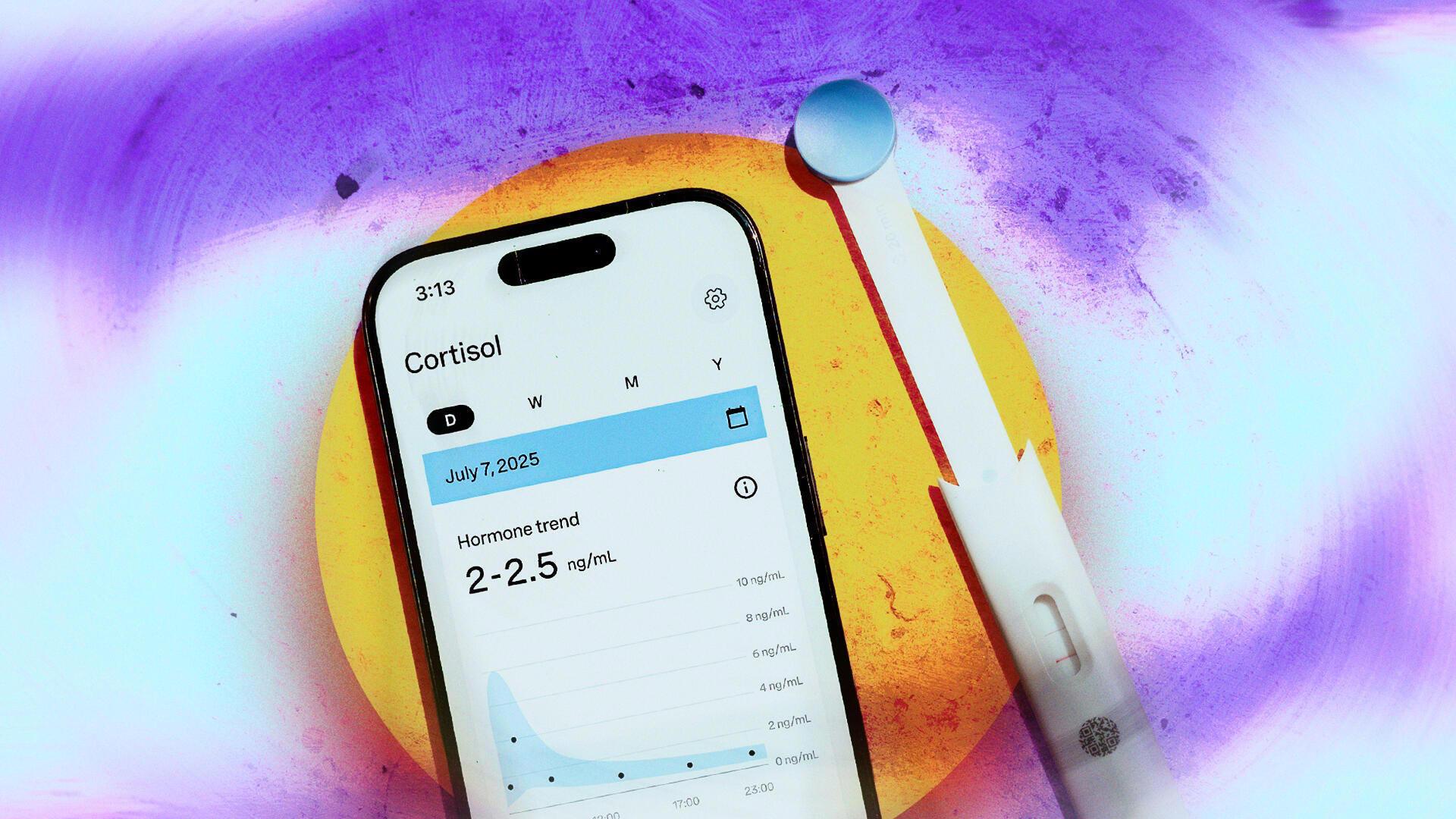

Cortisol testing can provide valuable information about how the body produces and regulates an important adrenal hormone. However, not every cortisol test measures the hormone in the same way or answers the same medical question.
A Cortisol Blood Test Dubai measures cortisol in the bloodstream at a particular point in time. Other approaches, including salivary cortisol testing, urinary cortisol testing, and dynamic cortisol tests, provide different types of information.
Understanding these differences can help you see why a healthcare professional may recommend one test instead of another.
The Big Picture: Why Is Cortisol Tested?
Cortisol is produced by the adrenal glands, which sit above the kidneys. Its production is controlled through the hypothalamus and pituitary gland, forming part of the hypothalamic-pituitary-adrenal axis, or HPA axis.
Cortisol supports several essential functions, including:
- Blood glucose regulation
- Blood pressure maintenance
- Energy metabolism
- Immune and inflammatory responses
- The body's response to physical stress
- Normal sleep-wake regulation
Doctors may evaluate cortisol when there are signs of adrenal insufficiency, suspected cortisol excess, or another disorder affecting the adrenal or pituitary system.
The choice of test depends on what the healthcare professional is trying to determine.
Why Cortisol Testing Is More Complicated Than a Single Number
Cortisol does not remain at the same level throughout the day.
In people with a typical sleep schedule, cortisol is generally higher in the morning and gradually decreases later in the day. This natural pattern is known as the circadian rhythm.
Because of this, a cortisol measurement must be interpreted in relation to:
- Time of sample collection
- Laboratory reference range
- Symptoms
- Medication use
- Sleep schedule
- Recent illness or physical stress
- Reason for testing
This is one of the main reasons several different cortisol testing methods exist.
Cortisol Blood Test: A Snapshot of Cortisol Levels
A cortisol blood test measures the amount of cortisol circulating in the bloodstream when the sample is collected.
It is generally performed by drawing blood from a vein in the arm. The sample is then analyzed by a laboratory.
What is a blood cortisol test used for?
Depending on the clinical situation, a doctor may use blood cortisol testing to help investigate possible cortisol deficiency or other adrenal-related problems.
A morning cortisol measurement may be useful when evaluating possible adrenal insufficiency, although the appropriate testing strategy depends on the patient's circumstances.
What makes blood testing useful?
Blood testing is relatively straightforward and can provide a direct measurement of circulating cortisol.
It can also be performed alongside other blood tests, such as ACTH, glucose, electrolytes, or other hormone measurements, when broader endocrine evaluation is needed.
What is its limitation?
A blood cortisol test represents cortisol at one particular moment.
It does not show the total amount of cortisol produced throughout an entire day. It also may not provide enough information by itself when investigating certain forms of cortisol excess.
Salivary Cortisol Test: Measuring Cortisol in Saliva
A salivary cortisol test measures cortisol present in saliva.
One important advantage is that saliva testing can be useful for assessing cortisol at specific times without requiring a conventional blood draw.
Late-night salivary cortisol testing is used in certain evaluations for suspected cortisol excess because cortisol is normally expected to be relatively low late at night.
If cortisol remains unusually elevated at this time, it may provide useful evidence for further investigation.
Why might a doctor choose saliva?
Salivary testing can be convenient and may allow cortisol to be collected at home under specific instructions.
It can also help evaluate cortisol at a time when obtaining a blood sample may be less practical.
What should you know about saliva testing?
The sample must be collected correctly.
Certain factors, such as contamination, food, drink, oral products, or improper collection, may affect the usefulness of a sample.
Always follow the laboratory's collection instructions carefully.
Urinary Cortisol Test: Looking at Cortisol Over Time
A Lab tests can provide information about cortisol excretion over a longer period rather than measuring the hormone at only one moment.
A common approach is a 24-hour urinary free cortisol test, in which urine is collected over a full 24-hour period.
This allows the laboratory to assess the amount of free cortisol excreted during the collection period.
Why is this useful?
Because cortisol production changes throughout the day, collecting urine over an extended period can provide a broader view of cortisol production.
This can be particularly useful when evaluating suspected cortisol excess.
What is the challenge?
The accuracy of a 24-hour urine collection depends heavily on collecting all urine during the specified period.
Missing samples can affect the final result.
Your healthcare professional or laboratory should provide detailed instructions about how to begin, end, store, and transport the collection.
Dynamic Cortisol Tests: Checking How the Body Responds
Sometimes doctors need more information than a single cortisol measurement can provide.
This is where dynamic testing becomes important.
Dynamic tests examine how the body's cortisol system responds when it is stimulated or suppressed.
Two commonly discussed approaches are the ACTH stimulation test and dexamethasone suppression testing.
ACTH Stimulation Test:
An ACTH stimulation test evaluates how the adrenal glands respond to ACTH.
During the test, a synthetic form of ACTH is administered, and cortisol is measured before and after stimulation.
The purpose is to determine whether the adrenal glands can produce an appropriate cortisol response.
This type of testing can be particularly useful when evaluating possible adrenal insufficiency.
Dexamethasone Suppression Testing:
Dexamethasone is a corticosteroid medication that can suppress ACTH and, consequently, cortisol production.
In a dexamethasone suppression test, cortisol is measured after administration of dexamethasone according to a specified protocol.
This approach can help healthcare professionals investigate suspected hypercortisolism, or excessive cortisol production.
The exact procedure depends on the clinical question and testing protocol.
Cortisol Blood Test vs Saliva: Which Is Better?
Neither test is universally "better."
They answer different clinical questions.
A blood cortisol test provides a measurement of circulating cortisol at a specific time.
A salivary cortisol test can be particularly useful for assessing cortisol at specific times, including late-night measurements in certain clinical evaluations.
The appropriate choice depends on the suspected condition, timing requirements, and the healthcare professional's diagnostic approach.
Cortisol Blood Test vs Urine: What Is the Difference?
The key difference is the time perspective.
A blood test provides a snapshot of cortisol concentration at one moment.
A 24-hour urinary cortisol test reflects cortisol excretion over an extended period.
For this reason, urinary testing can provide a broader picture of cortisol production when evaluating certain cases of suspected cortisol excess.
However, urine collection must be completed accurately for the result to be meaningful.
Blood vs Saliva vs Urine: Quick Comparison
| Cortisol Test | What It Measures | Common Clinical Use | Main Consideration |
|---|---|---|---|
| Blood cortisol | Cortisol in blood at a specific time | Evaluating cortisol levels, including possible adrenal insufficiency | Strongly affected by collection timing |
| Salivary cortisol | Cortisol in saliva at a specific time | Certain evaluations of cortisol excess | Proper collection is important |
| 24-hour urinary cortisol | Cortisol excreted over a day | Assessing cortisol excess | Complete urine collection is essential |
| ACTH stimulation | Cortisol response to ACTH | Evaluating adrenal reserve | Requires supervised testing |
| Dexamethasone suppression | Cortisol response to suppression | Investigating possible cortisol excess | Requires a specific testing protocol |
The test your doctor chooses should be based on the medical question rather than convenience alone.
When Might a Doctor Recommend a Cortisol Blood Test?
A blood cortisol test may be considered when symptoms or clinical findings raise concerns about inadequate cortisol production or another adrenal or pituitary disorder.
Possible symptoms of low cortisol can include:
- Persistent fatigue
- Muscle weakness
- Dizziness
- Low blood pressure
- Reduced appetite
- Unexplained weight loss
- Nausea
These symptoms have many possible causes, so cortisol testing is not automatically appropriate for everyone who experiences them.
A healthcare professional may also consider cortisol testing when medication history, particularly prolonged corticosteroid use, raises concerns about suppressed adrenal function.
When Are Other Cortisol Tests More Appropriate?
Other testing methods may be preferred when investigating cortisol excess.
For example, late-night salivary cortisol and urinary free cortisol can provide information that a single blood measurement may not capture.
Dynamic testing may be selected when a doctor needs to understand how the adrenal or HPA system responds to stimulation or suppression.
The choice is therefore based on the suspected condition.
Why Cortisol Testing Should Not Be Used as a General Stress Test?
Cortisol is often called the stress hormone, but cortisol testing is not a simple way to measure everyday psychological stress.
Stress can influence cortisol, but many other factors can change hormone levels.
These include:
- Sleep disruption
- Acute illness
- Exercise
- Pain
- Medication
- Time of day
- Shift work
- Other physiological conditions
A person can experience substantial stress while having a cortisol result within an expected range.
Similarly, an abnormal cortisol result does not automatically mean that emotional stress is responsible.
How Should Cortisol Test Results Be Interpreted?
Cortisol results should be interpreted by considering more than the reported number.
Important factors include the collection time, laboratory reference range, testing method, symptoms, medications, and medical history.
A result that appears high or low on a report may have a different clinical significance depending on when and why it was measured.
For example, cortisol naturally changes between morning and evening. Comparing a morning result with an inappropriate reference interval could lead to unnecessary concern.
If a result is abnormal or does not match your symptoms, your healthcare professional may recommend repeat or additional testing.
Frequently Asked Questions:
Is a cortisol blood test more accurate than a saliva test?
Accuracy depends on the purpose of testing and the specific method used. Blood and saliva tests provide different types of information and are used for different clinical questions.
Why would a doctor order a 24-hour urine cortisol test?
It may be used to evaluate cortisol production over an extended period, particularly when excessive cortisol production is suspected.
What is the purpose of an ACTH stimulation test?
It evaluates how effectively the adrenal glands respond to ACTH stimulation and can help assess possible adrenal insufficiency.
Why is cortisol testing often done in the morning?
Cortisol normally follows a circadian rhythm and is generally higher in the morning. The exact timing depends on the clinical purpose of the test.
Can one cortisol test diagnose an adrenal disorder?
Not always. Additional blood tests, urine tests, saliva tests, or dynamic testing may be necessary depending on the suspected condition.
Does a cortisol test measure stress?
No. It measures cortisol and helps investigate specific medical questions. It is not a direct test of emotional stress.
Final Takeaway:
The difference between a cortisol blood Lab tests and other cortisol tests comes down mainly to what each method measures and the clinical question it is designed to answer.
A blood cortisol test provides a snapshot of circulating cortisol at a specific time. Salivary cortisol can be useful for measurements at particular times, including certain late-night evaluations. A 24-hour urinary cortisol test provides information about cortisol excretion across a longer period, while dynamic tests such as ACTH stimulation and dexamethasone suppression evaluate how the body's cortisol system responds to specific interventions.
No single cortisol test is ideal for every situation.
If your doctor recommends cortisol testing, the choice of test is generally based on your symptoms, medical history, medications, collection timing, and the condition being investigated. An abnormal result should also be interpreted in context rather than treated as a diagnosis by itself.
For concerns about cortisol levels or possible adrenal dysfunction, discussing your symptoms and test results with a qualified healthcare professional is the safest way to determine what the findings mean and whether further evaluation is needed.
