


HIV Test: Understanding HIV Antibody Testing
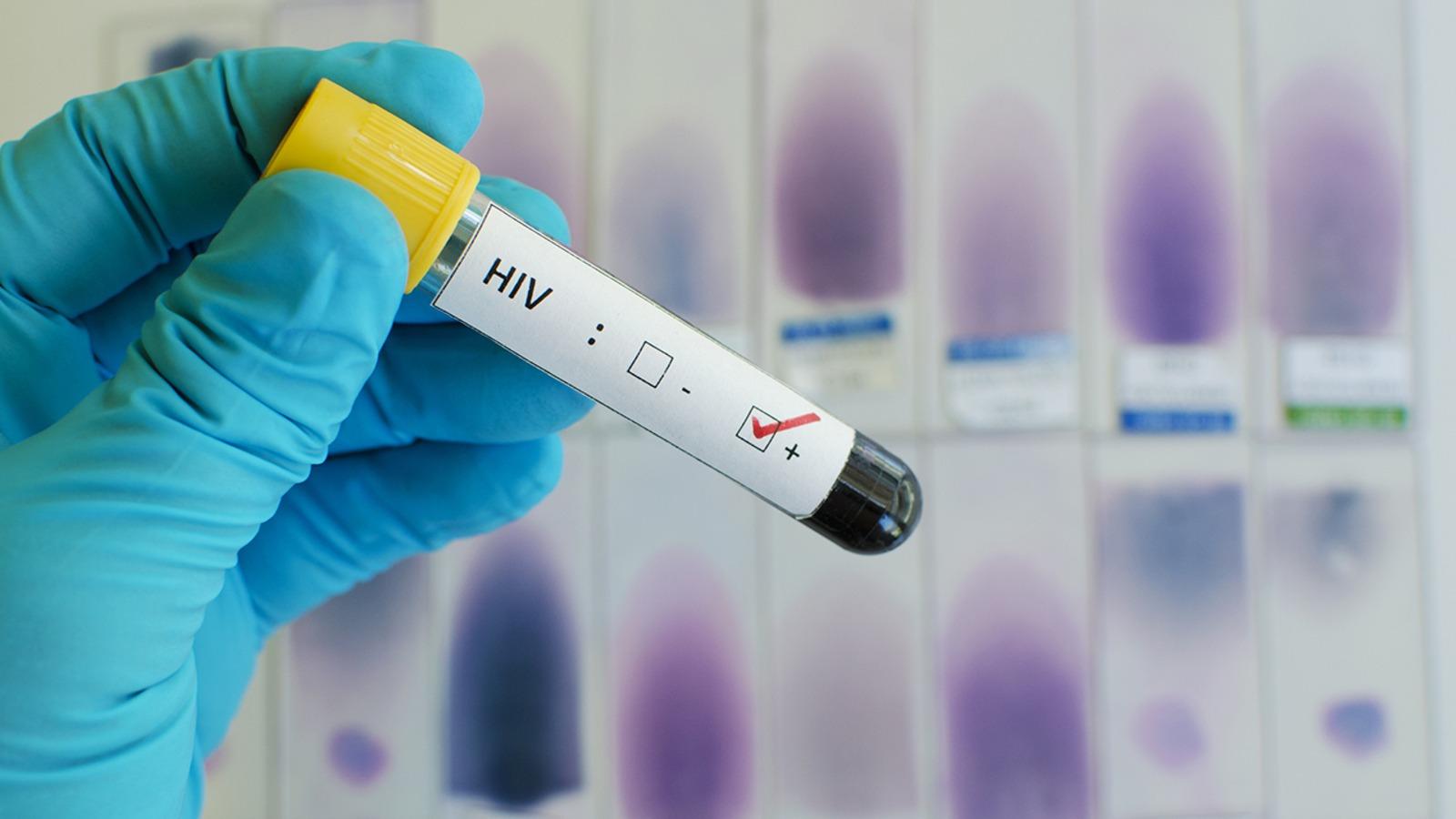
HIV antibody testing is a screening method that looks for antibodies produced by the immune system in response to HIV infection. If you are considering an HIV Test in Dubai, understanding how antibody testing works can help you know what the test is designed to detect and why testing timing matters.
After HIV exposure, the immune system may produce antibodies against the virus. These antibodies can then be detected through specific laboratory tests. However, they do not necessarily become detectable immediately after infection, which is why the window period is an important part of HIV testing.
Why Is HIV Antibody Testing Used?
Antibody testing can be used as part of HIV screening to determine whether a person's immune system has produced detectable antibodies associated with HIV.
It can provide useful information about HIV status, particularly when the test is performed at an appropriate time after possible exposure.
Can Antibody Testing Detect Recent Infection?
Antibody tests may not detect a very recent infection because the body needs time to develop detectable antibodies.
If testing occurs soon after possible exposure, a healthcare professional may recommend another type of HIV test or repeat testing at a later stage.
STD Test in Dubai and HIV Antibody Screening
An STD Test in Dubai may include HIV screening alongside tests for other sexually transmitted infections. If an antibody-only HIV test is used, its detection period should be considered when interpreting the result.
If you are concerned about a recent exposure, tell the healthcare professional when it occurred so they can help determine whether antibody testing is suitable.
How Does an HIV Antibody Test Work?
The test uses a biological sample to look for antibodies associated with HIV. Depending on the testing method, the sample may be blood or another approved specimen.
Laboratory-based blood testing can provide a detailed screening result, while some rapid tests are designed to provide results more quickly.
What Is the HIV Window Period?
The window period is the time between possible exposure and when a specific HIV test can reliably detect infection.
For antibody testing, this period is related to how long the immune system takes to produce detectable antibodies.
Why Is the Window Period Important?
A negative antibody test performed too early may not rule out a recent infection because antibodies may not yet be present at detectable levels.
This is why healthcare professionals may recommend repeat testing when exposure occurred recently.
How Is an HIV Antibody Blood Test Performed?
A laboratory antibody test generally involves collecting a small blood sample from a vein in the arm.
The sample is then sent to a laboratory where it is examined for HIV antibodies. Blood collection is generally quick, and fasting is usually not required.
What Does a Negative Antibody Test Mean?
A negative result generally means that the test did not detect HIV antibodies.
However, if the test was performed during the window period, the result may not completely rule out a recent infection. The appropriate follow-up depends on the timing of exposure and the test used.
What Does a Reactive Antibody Test Mean?
A reactive result means that the test detected antibodies or other markers that require further evaluation.
A screening result should not automatically be treated as a confirmed HIV diagnosis. Additional testing may be required to confirm or clarify the result.
How Is Antibody Testing Different From Fourth-Generation Testing?
An antibody-only test looks for antibodies produced by the immune system. A fourth-generation HIV test looks for both antibodies and the p24 antigen.
Because the fourth-generation method detects an additional marker, it can identify HIV infection earlier than many antibody-only tests.
Can HIV Antibody Testing Be Used for Routine Screening?
Yes. HIV antibody testing can be used for screening, depending on the testing method and individual circumstances.
However, the most appropriate screening method should be determined based on factors such as the time since possible exposure and the purpose of testing.
When Should You Consider HIV Antibody Testing?
You may consider HIV screening if you have concerns about possible exposure, want routine sexual health testing, or have been advised to test by a healthcare professional.
If exposure was recent, discuss the timing before choosing an antibody-only test because another testing method may be more appropriate.
What Happens After Testing?
Once the laboratory completes the analysis, the result is provided through the testing facility or healthcare provider.
A healthcare professional can explain whether the result is consistent with the testing timeline and whether repeat or additional testing is necessary.
Final Thoughts
HIV antibody testing is an established screening method that detects antibodies produced by the immune system after HIV infection. If you are considering an HIV Test in Dubai, understanding antibody detection, the window period, negative and reactive results, and the differences between antibody and fourth-generation testing can help you make informed decisions about HIV screening.

 Bangla