


HIV Blood Test: What to Expect During Testing
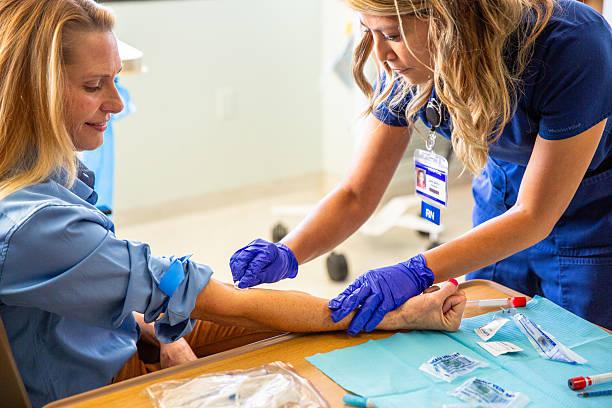
An HIV Blood Test in Dubai involves collecting a blood sample and analyzing it for markers associated with HIV. Knowing what happens before, during, and after the test can make the process easier and help patients understand what to expect.
What Happens Before an HIV Blood Test?
Before testing, the healthcare provider may ask about the reason for testing and the approximate timing of any possible exposure.
This information can help determine which testing method and timing may be appropriate.
Do You Need Special Preparation?
Most standard HIV blood tests do not require fasting or other special preparation.
If other laboratory tests are being performed during the same appointment, additional preparation may be required.
Follow Provider Instructions
Always follow the instructions provided by your healthcare professional or testing laboratory.
Ask Questions Before Testing
If you are unsure about fasting, medications, timing, or the type of test being performed, ask the provider before sample collection.
Blood test Collection Process
A Blood test generally requires a small sample collected from a vein using sterile equipment.
The healthcare professional prepares the area, cleans the skin, and carefully collects the required amount of blood.
Is the Blood Draw Painful?
Most people feel a brief pinch or mild pressure when the needle is inserted.
The discomfort usually lasts only a short time, although individual experiences can vary.
What If You Are Nervous About Needles?
It is completely reasonable to feel anxious about blood collection.
Tell the healthcare professional if you are nervous so they can help make the procedure as comfortable as possible.
Can You Feel Dizzy?
Some people may feel lightheaded during or after blood collection.
If you have previously experienced dizziness or fainting during blood tests, tell the healthcare professional before the procedure.
What Happens After the Sample Is Collected?
Once enough blood has been collected, the needle is removed and pressure is applied to the site.
A small bandage may be placed over the area before the sample is prepared for laboratory testing.
How Is the Sample Tested?
The laboratory uses the specific testing method requested by the healthcare provider.
Depending on the test, the laboratory may look for HIV antibodies, an antigen, or viral genetic material.
What Is an Antibody Test?
An antibody test looks for antibodies produced by the immune system in response to HIV.
Because antibodies take time to develop, the timing of testing is important.
What Is an Antigen/Antibody Test?
An antigen/antibody test looks for both HIV antibodies and an HIV antigen.
This testing approach can identify many infections earlier than an antibody-only test.
What Is a Molecular Test?
A molecular HIV test looks for the virus's genetic material.
Such testing may be used in specific clinical situations based on professional assessment.
What Is the Window Period?
The window period is the time between possible infection and when a particular test can reliably detect HIV.
Different testing methods have different detection windows.
Can Testing Too Early Affect the Result?
Yes.
A test performed too early may not detect an infection that has occurred.
If testing was done soon after a possible exposure, a healthcare professional can advise whether repeat testing is appropriate.
How Long Will You Wait for Results?
The turnaround time varies according to the testing method and laboratory.
Some tests may have relatively quick results, while specialized laboratory investigations may require additional processing.
What Does a Non-Reactive Result Mean?
A non-reactive result generally indicates that the test did not detect the HIV markers it was designed to identify.
The result should still be considered in relation to the timing of the test.
What Does a Reactive Result Mean?
A reactive screening result indicates that further evaluation is needed.
It does not automatically confirm HIV infection. Confirmatory testing is generally required.
Is HIV Testing Confidential?
Healthcare providers and laboratories generally have procedures to protect patient information and test results.
Patients can ask about confidentiality practices before arranging testing.
Should You Discuss Your Results With a Professional?
Professional interpretation can help explain what the result means in relation to the testing method and timing.
It is particularly important when a result is reactive or when testing occurred soon after a possible exposure.
What Happens After Testing?
Depending on the result and circumstances, the healthcare provider may recommend no further testing, repeat testing, or confirmatory testing.
Following professional recommendations can help ensure that the result is appropriately evaluated.
Understanding the HIV Testing Experience
An HIV blood test is generally a straightforward laboratory procedure involving professional sample collection and analysis. Understanding preparation, the collection process, testing windows, and result terminology can make the experience less uncertain.
For anyone considering an HIV Blood Test, speaking with a qualified healthcare professional can help determine the appropriate test and timing while providing clear guidance about results and follow-up.

 Bangla