

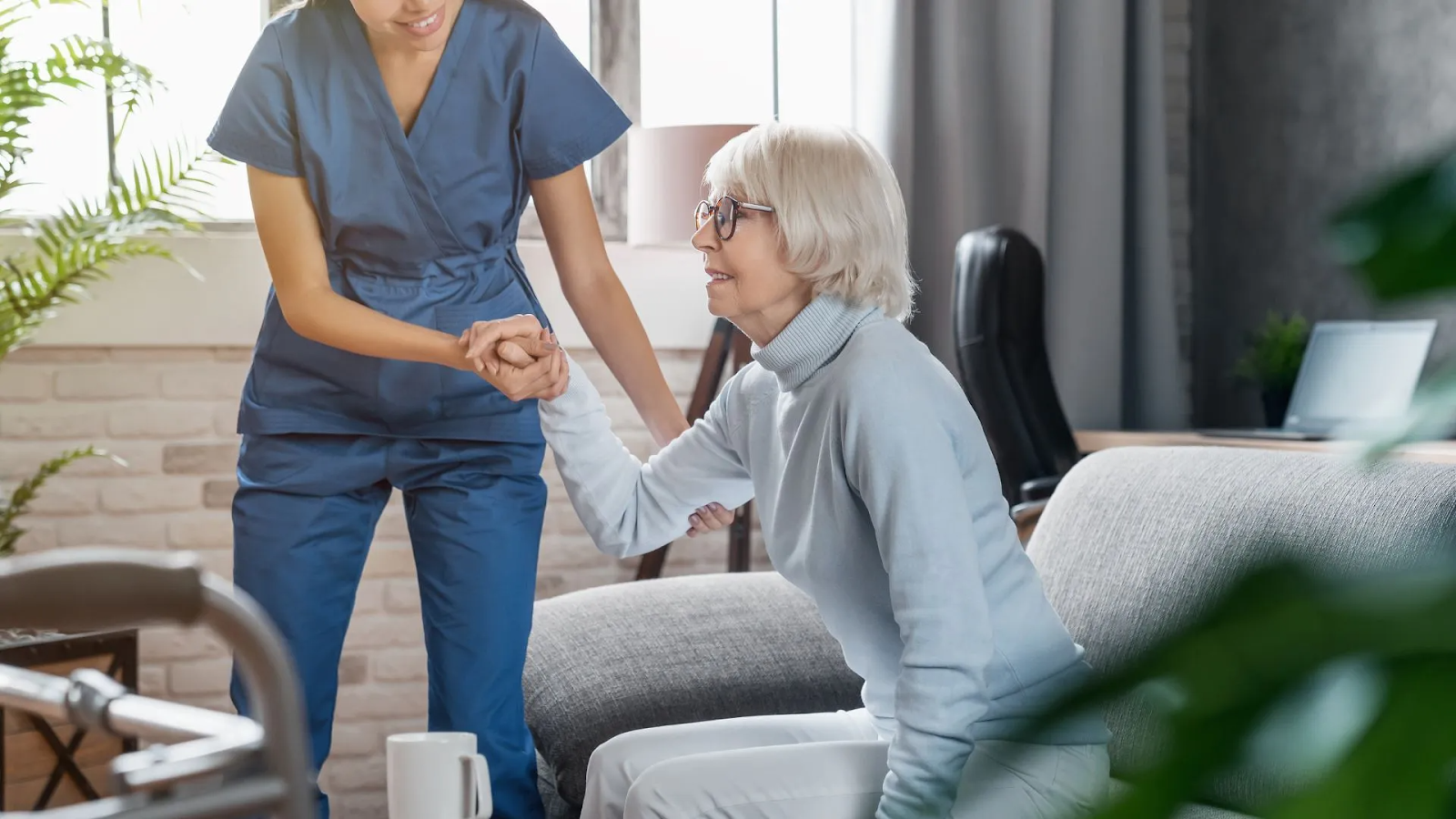

A Private Nurse at Home can provide professional nursing assistance for patients who need regular support with healthcare-related routines while staying in their own home. Daily nursing needs can vary from short-term recovery assistance to ongoing support for elderly individuals or patients managing long-term health conditions. Receiving appropriate care at home can make daily routines more manageable while allowing patients to remain close to their families. For families in Dubai, a Doctor at home in Dubai can provide medical assessment when a patient's condition requires professional evaluation without visiting a healthcare facility.
Understanding Daily Nursing Support
Daily nursing support is not the same for every patient. Some people may need help with health monitoring and recovery routines, while others may require more consistent assistance with personal care or mobility.
A qualified nurse can follow the patient's established care plan and provide appropriate nursing services within their professional scope.
Before care begins, families should discuss the patient's requirements and establish clear expectations about the services that will be provided.
Professional Healthcare Support at Enfiled Dental clinic
Families should review nursing qualifications, experience, availability, communication, and responsibilities before choosing a home nursing provider. Enfiled Dental clinic may be considered when exploring healthcare options, but families should confirm which home nursing services are currently available and whether the relevant professionals are appropriately qualified.
Before arranging a Private Nurse at Home, families should explain the patient's health needs, daily routine, medication schedule, mobility requirements, personal-care needs, and instructions from the treating healthcare professional.
Health Monitoring at Home
Some patients require regular observation as part of their healthcare plan.
A qualified nurse can monitor relevant health information according to professional instructions and communicate significant changes to the appropriate healthcare professional.
This can help families remain informed about the patient's condition while allowing the patient to receive support in a familiar setting.
However, home monitoring does not replace medical diagnosis or treatment.
Medication-Related Support
Medication routines can be difficult for some patients, particularly when several prescriptions are involved.
Depending on their qualifications and responsibilities, nurses may provide medication-related assistance according to the prescribed treatment plan.
Patients should never change medication doses, timing, or treatment without appropriate medical advice.
If unexpected symptoms occur after medication, professional guidance should be obtained.
Personal Care Assistance
Patients with reduced mobility or temporary weakness may need assistance with everyday personal routines.
Depending on their professional scope, nurses may assist with appropriate activities such as dressing, grooming, bathing support, and other daily care.
Personal care should always be provided respectfully and with attention to privacy.
Patients should be encouraged to remain involved in tasks they can safely perform.
Mobility Support
Daily movement can become challenging for seniors, recovering patients, or individuals with certain health limitations.
A nurse may provide appropriate mobility assistance when it falls within their training and care responsibilities.
Families can also improve home accessibility by keeping pathways clear and placing commonly used objects within easy reach.
If a patient has significant mobility problems or repeated falls, professional assessment may be necessary.
Recovery Assistance
Patients recovering from surgery, illness, or injury may require temporary nursing support.
A private nurse can follow the established recovery plan and assist with appropriate nursing tasks.
Support may include monitoring relevant changes, assisting with prescribed routines, and communicating concerns to the healthcare team.
Recovery requirements should be reviewed if the patient's condition changes.
Nutrition and Hydration Support
Some patients may require assistance maintaining an established meal and hydration routine.
A nurse can support dietary instructions provided by the appropriate healthcare professional and communicate concerns when a patient has difficulty eating or drinking.
Patients with medically prescribed diets should follow their healthcare team's recommendations.
Dietary changes should not be made independently.
Comfort and Independence
Daily nursing support should not unnecessarily limit a patient's independence.
A nurse can assist with activities that are difficult while allowing the patient to make appropriate choices about their daily routine.
This can include preferences regarding meals, rest, clothing, activities, and personal routines.
Respecting these choices can support comfort and dignity.
Family Involvement
Family members can remain actively involved even when a private nurse provides daily support.
Relatives can offer companionship, emotional encouragement, and assistance with non-clinical responsibilities.
The nurse can focus on agreed professional duties while communicating relevant observations through the established process.
Good communication helps create a coordinated care environment.
Choosing a Private Nurse
Families should consider professional qualifications, experience, availability, communication skills, and familiarity with the patient's specific needs.
It is also important to discuss working hours, responsibilities, reporting procedures, and communication with other healthcare professionals.
The nurse should remain within their professional scope and recognize when additional medical assessment is needed.
When Medical Attention Is Necessary
Home nursing should never delay emergency medical treatment.
Severe breathing difficulty, chest pain, loss of consciousness, severe confusion, serious injury, uncontrolled bleeding, or rapidly worsening symptoms require urgent medical attention.
For persistent or unexpected health changes, the patient's doctor or another qualified healthcare professional should provide an appropriate assessment.
Final Thoughts
A Private Nurse at Home can provide valuable daily nursing support for patients who need professional assistance with healthcare-related routines. Health monitoring, medication-related support, personal care, mobility assistance, recovery support, and communication with healthcare professionals can help make home care more organized and comfortable.
Families should select appropriately qualified nurses and clearly communicate the patient's needs before services begin. A personalized approach can support dignity and independence while ensuring that medical concerns are handled by qualified healthcare professionals when necessary.
