

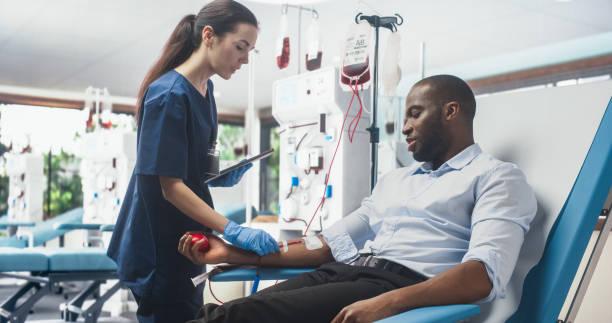

A Visa Blood Test Dubai may be required as part of the medical screening process for certain visa applications. Understanding the basic requirements, preparation steps, and testing procedure can help applicants complete their medical examination more efficiently.
Why Is a Visa Blood Test Required?
A visa medical examination may include blood testing when health screening is required for a particular visa category.
The exact investigations depend on the applicable immigration rules, visa type, and current medical requirements.
What Should Applicants Know Before Testing?
Applicants should confirm the medical screening requirements before booking or attending an appointment.
The authorized medical facility can provide information about required documents, preparation, appointment procedures, and any additional examinations.
Check Your Appointment
Review the appointment date, time, location, and instructions before visiting the medical facility.
Prepare Your Documents
Keep all requested identification and visa-related documents ready to avoid unnecessary delays during registration.
Blood test for Visa Screening
A Blood test involves collecting a small blood sample for laboratory analysis. Depending on the applicable medical requirements, the sample may be used for specific screening investigations.
The healthcare provider can explain the tests included in the examination.
Does Every Applicant Need the Same Test?
Not necessarily.
Medical screening requirements can differ according to the visa category, destination, applicant circumstances, and current regulations.
Applicants should follow the requirements specifically provided for their application.
Is Fasting Required?
Fasting is not automatically required for every visa blood test.
Some investigations may require specific preparation, while others do not. Applicants should follow the instructions supplied by the authorized medical facility.
Can You Take Your Medication?
Applicants should not stop prescribed medication without professional advice.
If medication affects preparation for a particular examination, the healthcare provider can provide appropriate instructions.
What Happens During Blood Collection?
A trained healthcare professional generally collects blood from a vein using sterile equipment.
The sample is placed in a suitable collection tube, labeled correctly, and prepared for laboratory analysis.
Is Blood Collection Painful?
Most people experience a brief pinch or mild discomfort during the blood draw.
Minor bruising or temporary tenderness may occur at the collection site.
What If You Feel Nervous?
Tell the healthcare professional if you are uncomfortable or anxious about needles.
If you have experienced dizziness or fainting during previous blood tests, mention this before the sample is collected.
Are Other Medical Tests Required?
Blood testing may be one component of the complete visa medical examination.
Depending on the applicable requirements, additional medical assessments or laboratory investigations may also be necessary.
How Long Does Testing Take?
Blood collection is generally completed quickly, but the overall medical appointment may take longer because of registration, examinations, waiting time, and other required procedures.
When Will the Results Be Available?
Processing times vary according to the medical facility, laboratory, and type of investigations performed.
Applicants should ask the authorized provider about expected result timing.
How Are Results Submitted?
The procedure for submitting medical results depends on the applicable visa process.
The authorized facility can explain whether results are sent directly to the relevant authority or handled through another approved system.
Can Results Affect a Visa Application?
When medical screening is part of the visa requirements, the results can be relevant to the application process.
The effect of any medical finding depends on the applicable immigration rules and visa category.
What Happens If Additional Testing Is Requested?
Further testing may sometimes be required as part of the medical assessment.
Applicants should follow the instructions provided by the authorized healthcare provider and complete any required follow-up.
Is Medical Information Confidential?
Healthcare providers generally have procedures for protecting patient information and medical records.
Applicants can ask about privacy practices and how medical information is handled during the visa process.
How Can You Avoid Problems?
Applicants should arrive on time, bring the required documents, follow preparation instructions, and attend the designated medical facility.
It is also useful to verify current requirements before the appointment because visa procedures may change.
Why Should You Follow Official Requirements?
Visa medical requirements are determined by the relevant authorities and can vary by application type.
Following current official guidance helps applicants complete the correct examinations and avoid unnecessary complications.
Final Thoughts
A visa blood test can be an important part of the medical screening process for eligible applicants. Understanding preparation, sample collection, testing requirements, and result procedures can make the appointment easier to manage.
Before attending a Visa Blood Test, applicants should confirm the latest requirements with the relevant immigration authority or authorized medical facility and follow the instructions provided for their specific application.
